Private food walking tour of Rome by night

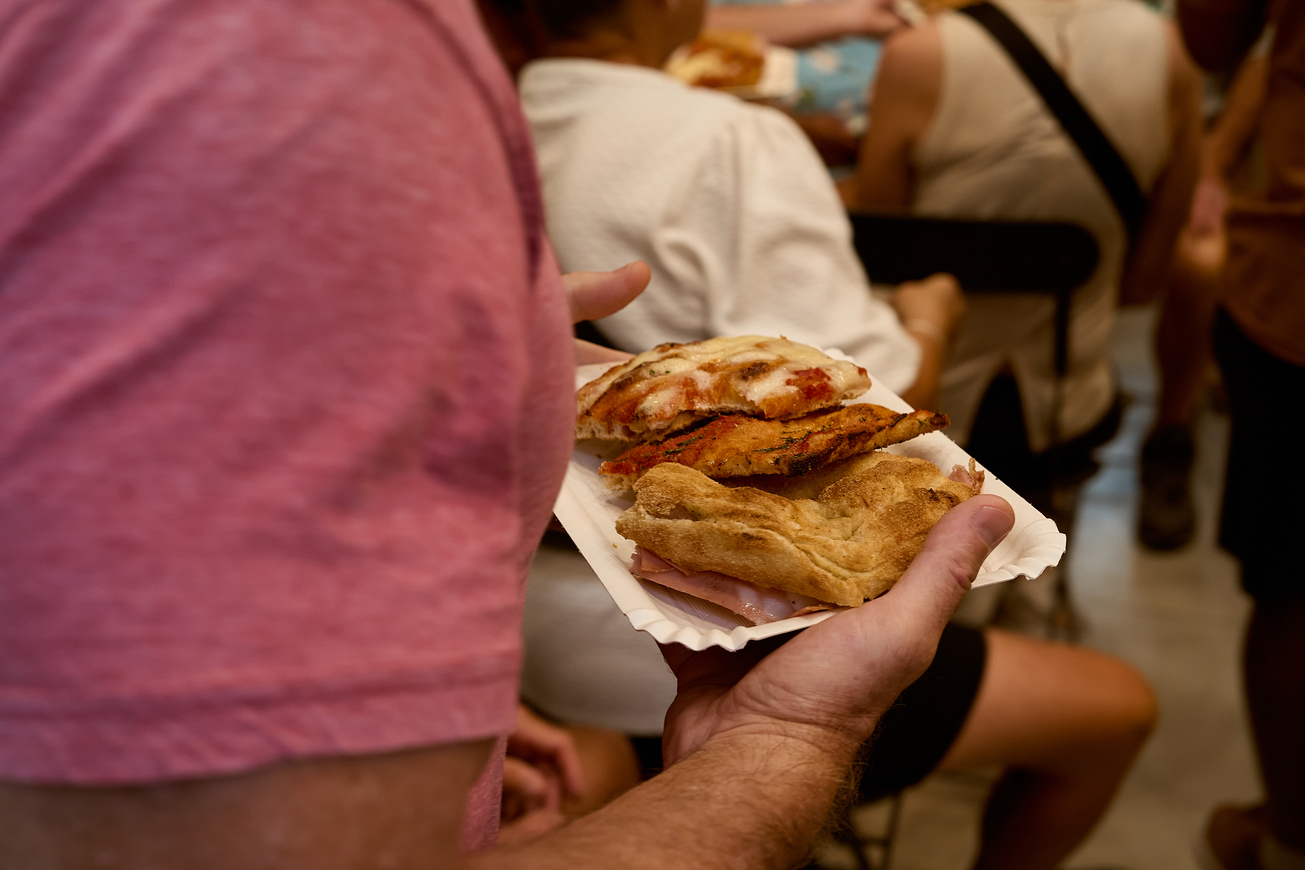
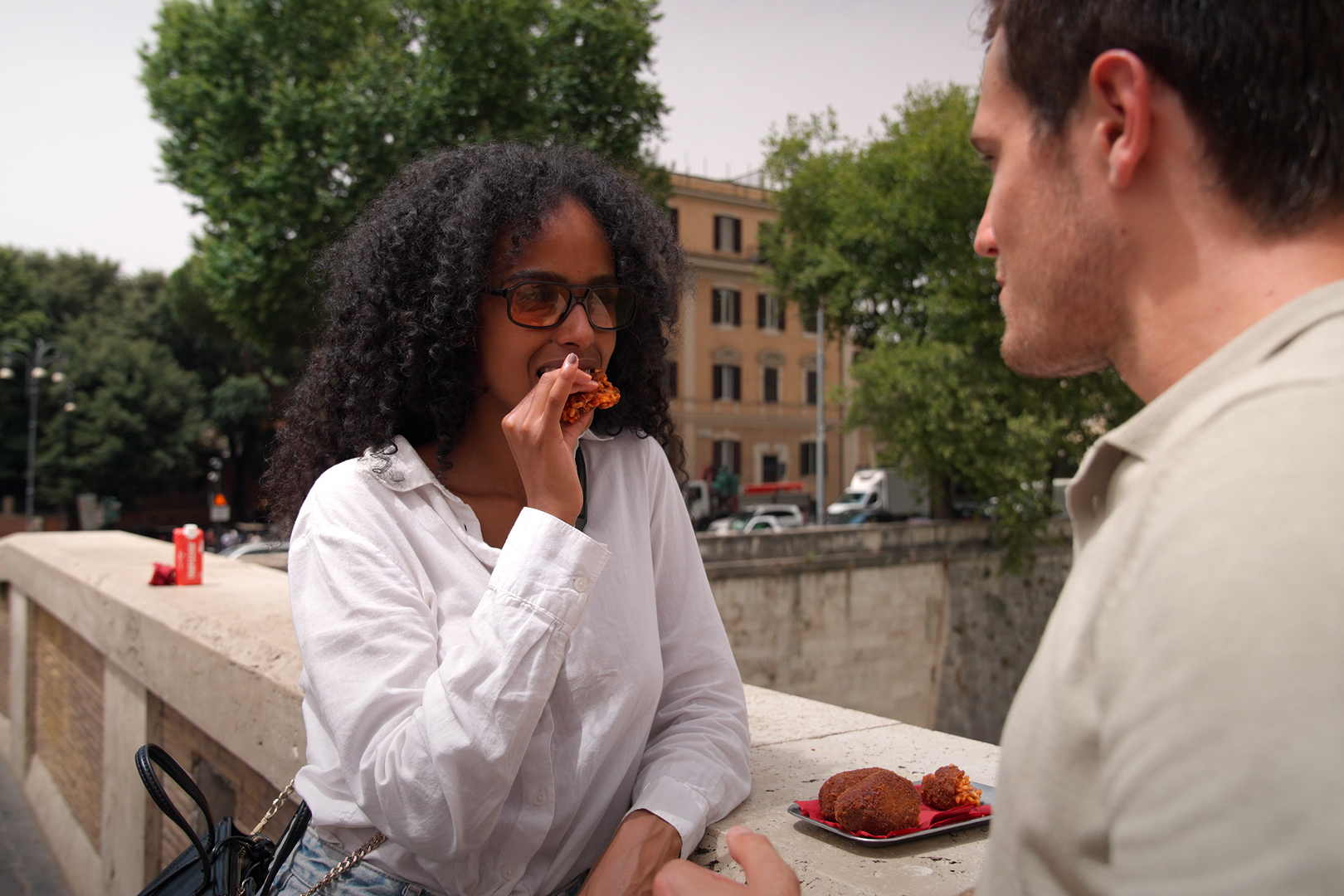
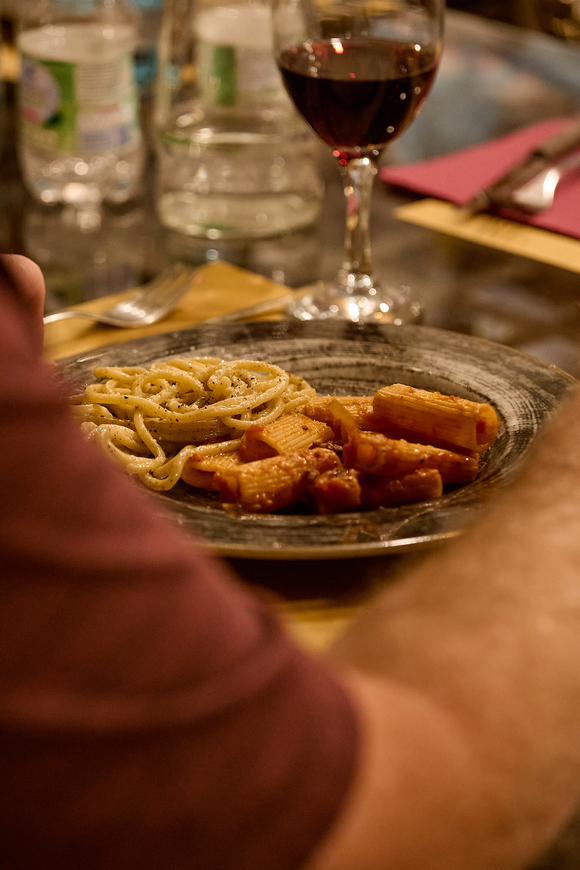
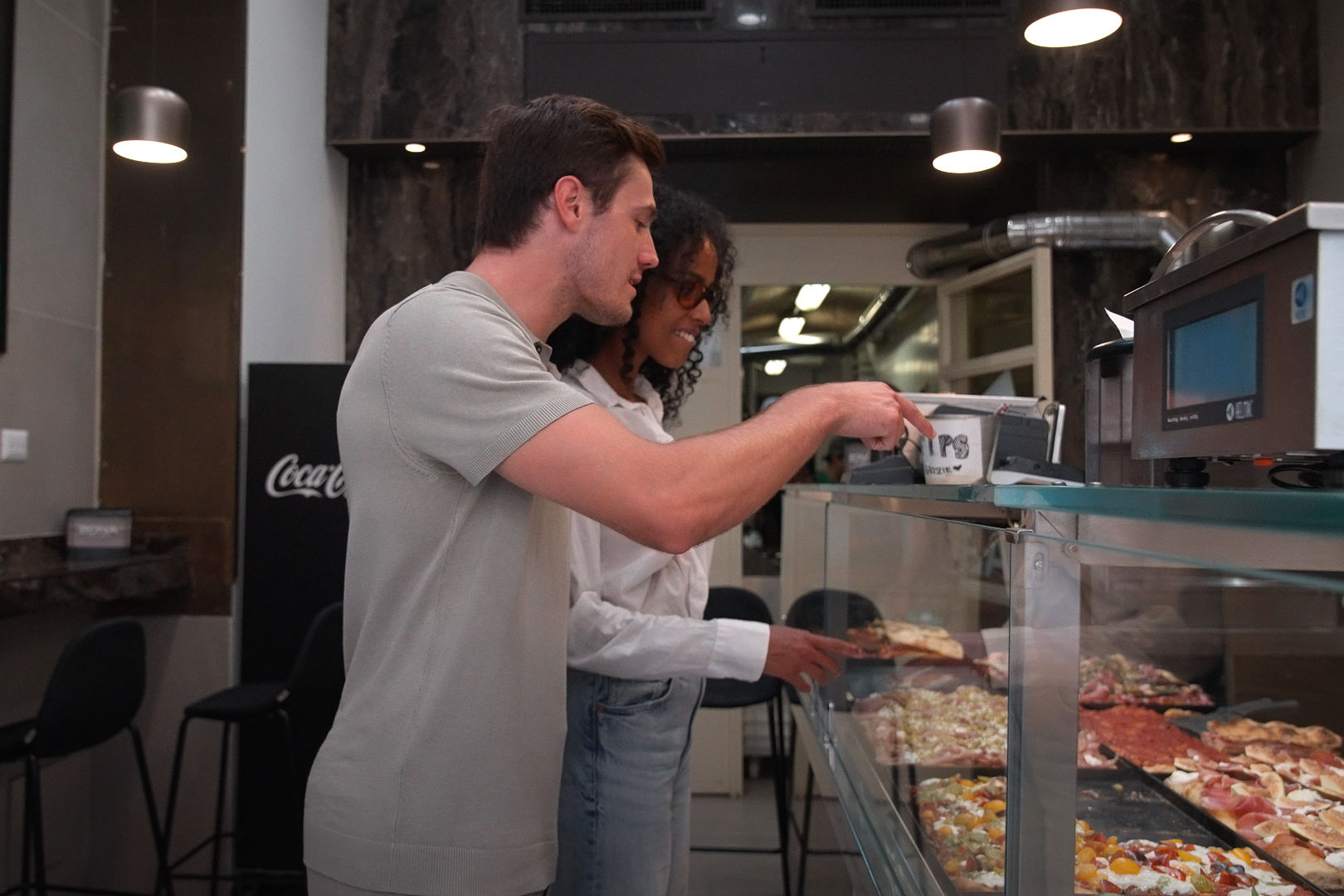
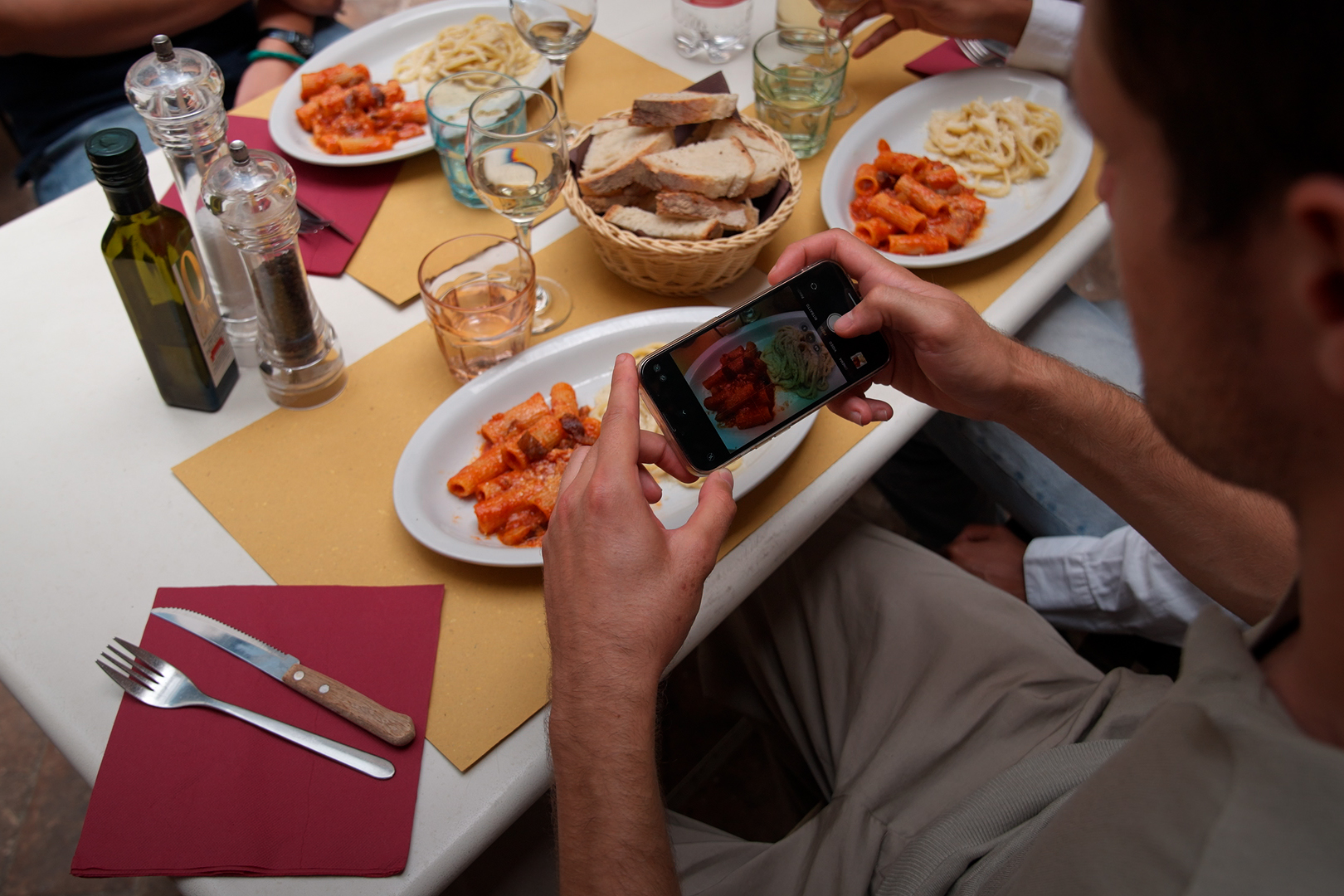
It’s impossible to leave Rome without having a taste of its delicacies. However, food targeted at tourists is a common thing to find and it’s not as good as the real thing. Avoid the tourist traps by taking an informative and yummy tour with a local food and culture expert and savour the superb Roman flavours.
- Join the locals and indulge in the city’s specialities with your guide
- Enjoy a walk in Roma by night
- Drop into ancient bakeries and delicatessens
- Savour Rome’s signature snacks like white pizza, supplì and much more
- Toast the tour with local wines and beers
Meeting Point
Meet our tour leader in Piazza Navona, in front of Quattro Fiumi Fountain, between the Fountain and the Church of Sant'Agnese in Agone.
What is a supplì, and why is it considered the ultimate Roman street food?
A supplì is the quintessential Roman street food — a deep-fried rice ball with a core of molten mozzarella and a filling of tomato-braised meat ragù. When you pull it apart, the melted cheese stretches in a long thread, earning it the nickname "supplì al telefono" — a reference to old telephone handsets. Unlike the Sicilian arancino, the supplì is elongated, coated in breadcrumbs, and fried. It has been part of Roman food culture since at least the 19th century.
What is Roman white pizza (pizza bianca) and how does it differ from Neapolitan pizza?
Roman pizza bianca has no tomato sauce — it is seasoned with extra-virgin olive oil, coarse salt, and often rosemary, baked until crispy outside and airy inside. Roman pizza dough uses higher hydration and longer fermentation than Neapolitan, producing a more complex flavor. In Rome, pizza bianca is eaten throughout the day — for breakfast stuffed with mortadella, as a snack, or as a meal base. It is sold by the slice (al taglio) and priced by weight, unlike the round individual Neapolitan pizza.
What is a trapizzino — is it a traditional Roman dish or a recent invention?
A trapizzino is a recent Roman invention — created by chef Stefano Callegari in 2008 — but it draws on deeply traditional Roman culinary heritage. It is a pocket of pizza bianca dough baked into a triangular shape (tra = between + pizza + the diminutive -ino), then filled with classic Roman preparations like pollo alla cacciatora (hunter's chicken), coda alla vaccinara (braised oxtail), or polpette al sugo (meatballs in tomato sauce). It is a contemporary street food that makes the Roman cucina povera portable.
What is Campo dei Fiori and why does this food tour take you there?
Campo dei Fiori ("Field of Flowers") is one of Rome's most vibrant and authentic piazzas, famous for its daily morning market where local vendors sell fresh produce, flowers, and specialty foods — one of the last surviving traditional market squares in central Rome. The neighborhood around it is where many of the city's best traditional trattorie and street food spots are concentrated. It is where real Romans shop, eat, and socialize, far from the tourist infrastructure around the Colosseum or Vatican.
Why is this food tour of Rome better at night than during the day?
Rome at night is a completely different city. The daytime tourist crowds thin dramatically, the golden streetlights illuminate the cobblestone sampietrini in a warm glow, and the piazzas take on a magical, cinematic quality. The city's best street food vendors come alive in the evening — Roman dinner culture centers on the evening meal, and the best food is at peak quality in the hours around dinner. This is also when locals are out: strolling (the passeggiata), gathering in piazzas, and patronizing neighborhood bars alongside you.
What is the cancellation policy?
For groups of 1 to 8 people, a full cancellation fee applies if you cancel within 7 days of your tour date or in case of no-show. For groups of 9 or more, availability and cancellation terms are available on request.


Starting from
price per person
based on a group of 4