Private Florence wine windows guided tour through secrets and legends
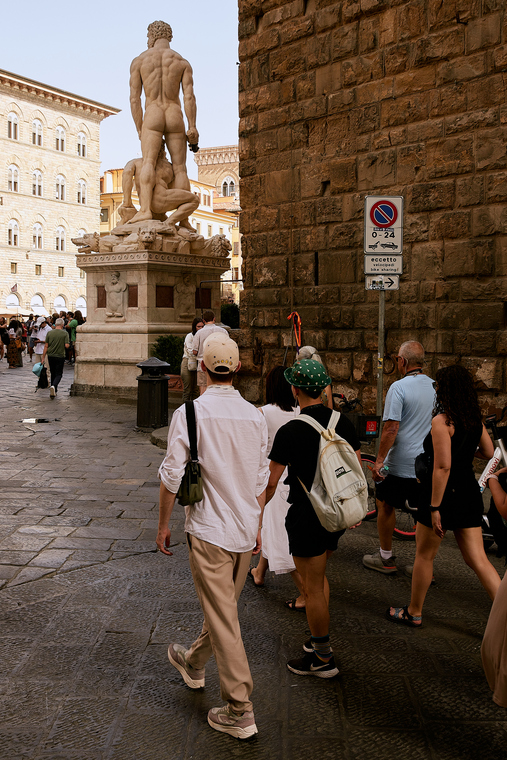
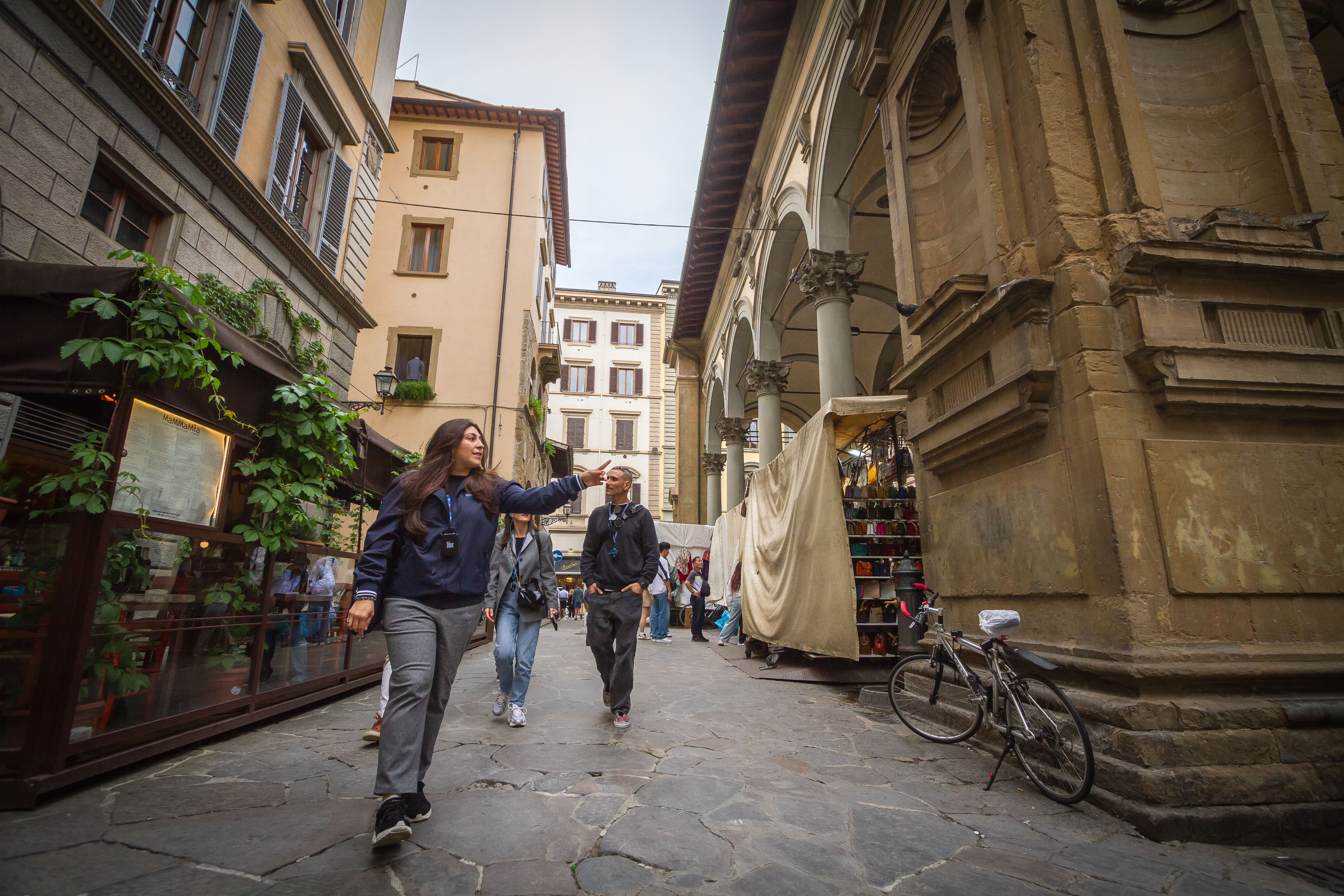
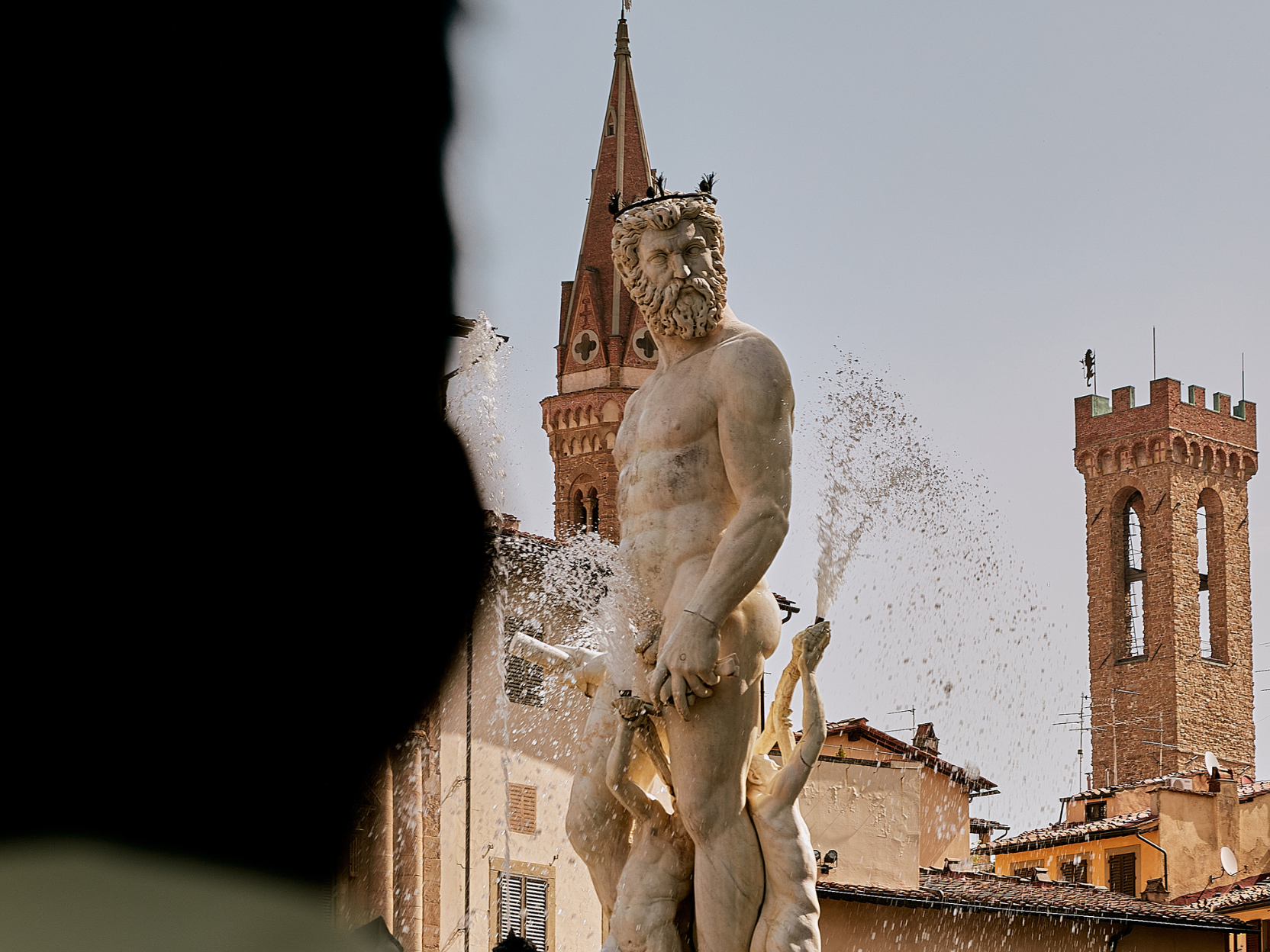
Uncover a quieter, more intimate Florence on this bespoke evening walk through its most atmospheric streets and hidden traditions.
- Enjoy tailored storytelling through Florence’s lesser-known legends
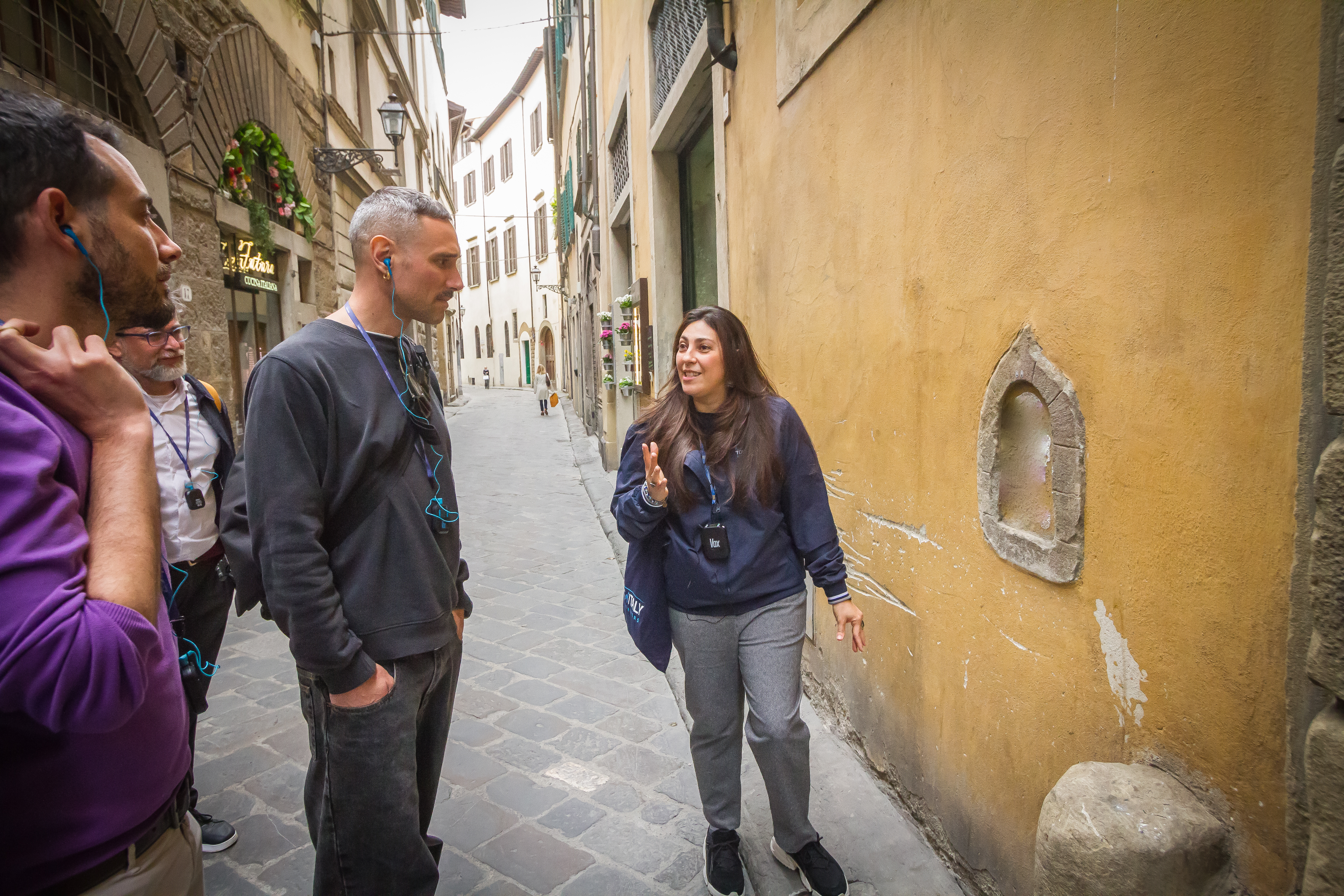
- Discover ancient “buchette del vino” in noble facades
- Walk the Oltrarno’s charming lanes with a personal guide
- Taste fine Tuscan wine in a cool Florentine setting
- Perfect photo ops at twilight for your own Florence storybook
Meeting Point
Florence - Via de Lamberti 1. Look for Towns of Italy tour guide, in front of civic number 1.
What are the buchette del vino and when were they first used in Florence?
Buchette del vino — literally 'little wine holes' — are small rectangular windows cut into the stone facades of Florentine noble palaces, typically set at waist height, just large enough to pass a flask of wine through. They date primarily to the 17th century, though some examples may be earlier, and they appear throughout the historic centre of Florence, concentrated in the Oltrarno and in the streets south of the Ponte Vecchio. At their peak, there were over 200 of these windows in the city. They were used by the noble families who owned the palaces — many of whom also owned vineyards in the surrounding Tuscan countryside — to sell wine directly from their private cellars to passers-by on the street, without the buyers ever entering the building. This system bypassed the city's tavern regulations and taxes while providing income from produce that would otherwise require transport to market.
Why did noble Florentine families sell wine directly from their palace windows to people on the street?
The arrangement was mutually advantageous for both seller and buyer in ways that were specific to 17th-century Florence. For the noble families, selling directly from their palace facades meant they could move wine from their rural estates without paying the city's wine taxes and without the overhead of running a public tavern. The wine was brought from their countryside vineyards and stored in the palace cellars — and the buchetta provided a direct channel to the street market. For buyers, the wine available through the buchette was often of higher quality than tavern wine, sold at a fair price and in the precise quantity required — a measure, a flask, or a single cup delivered through the small window in exchange for a coin placed on the stone ledge. The transaction was rapid, impersonal, and efficient: no need to enter a tavern, no need to interact with an intermediary.
Are Florence's wine windows still active today, and where can you find them?
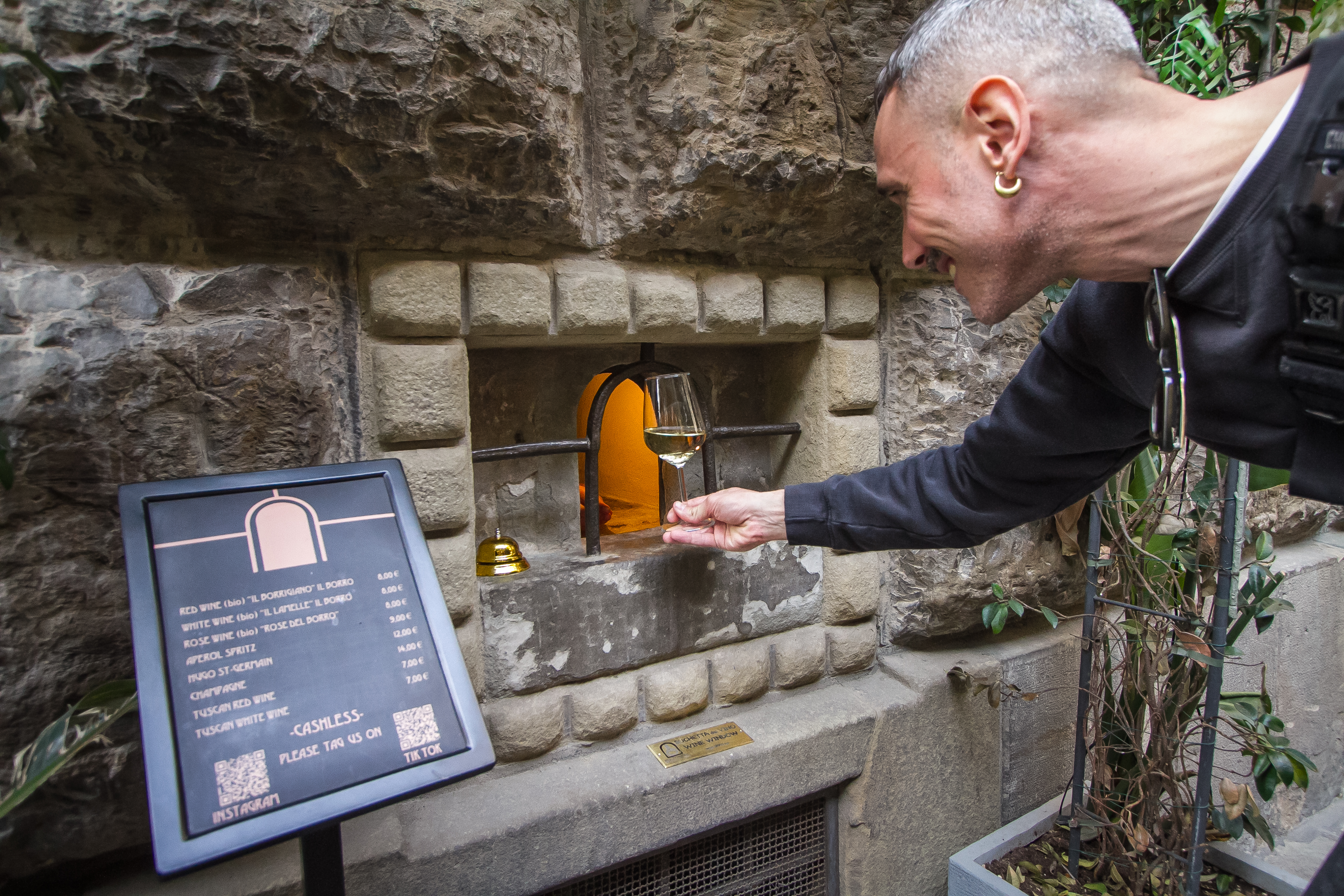
Yes — a small number of Florence's buchette del vino are once again in active use, having been revived primarily during and after the COVID-19 pandemic of 2020 (see below). Several bars, gelaterias, and wine establishments in the Oltrarno have reopened historic buchette in their building facades to serve drinks and food through the window to customers on the street, reclaiming a 400-year-old tradition in a contemporary context. Beyond those in active use, approximately 150 buchette del vino still survive in their original locations across the historic centre of Florence, though the majority are now sealed or used for other purposes. The best concentrations are found in the streets of the Oltrarno — particularly along Via Toscanella, Via dello Sprone, and in the streets around Palazzo Pitti. A walking tour dedicated to the wine windows maps this hidden network and brings its history alive.
What is the Oltrarno neighbourhood's relationship with Florentine wine culture?
The Oltrarno — Florence's artisan quarter on the south bank of the Arno — has a particularly strong historical connection to Florentine wine culture, for reasons that are both geographical and social. The great noble palaces of the Oltrarno — Palazzo Pitti, Palazzo Corsini, Palazzo Guadagni, and dozens of others — were precisely the residences of the families who owned the Tuscan vineyards that supplied wine to the city. The Oltrarno was also historically the neighbourhood of Florence's working classes — the artisans, the tanners, the goldsmiths — who were the primary customers of the buchette del vino in their neighbourhood streets. This combination of aristocratic wine production and working-class consumption created a uniquely vibrant wine culture that survived in the Oltrarno long after it had disappeared from the rest of the city. Today the neighbourhood retains a higher concentration of wine bars, enotece, and natural wine establishments than any other part of the historic centre.
How did the buchette del vino become relevant again during the COVID-19 pandemic?
One of the most unexpected cultural stories to emerge from the COVID-19 lockdowns of 2020 was the revival of Florence's wine windows. When the Italian government imposed strict lockdown measures in March 2020 — closing restaurants, bars, and shops — several establishments in Florence noticed that the buchette del vino in their facades offered an ingenious solution. The small window allowed drinks and food to be passed to customers on the street without any physical contact, at a social distance that was literally built into the architecture. Several businesses began operating through their buchette, receiving payment by card on one side and passing a glass of wine or a plate of food through the window on the other. The story attracted international media attention — it appeared in newspapers around the world — and renewed interest in the wine windows as both a living tradition and a piece of Florentine cultural heritage.
What is the cancellation policy?
Shared tours: 24 HRS cancellation policy. Full penalty applies for cancellations in the last 48 hours prior to tour departure. Full penalty applies for no-shows.
FOR ALL TOURS INVOLVING COLOSSEUM: 72 HRS cancellation policy. Full penalty applies for cancellations in the last 72 hours prior to tour departure and / or no-shows.
Private tours: For bookings from 1 to 8 people: 8 DAYS Cancellation policy. Full penalty applies for cancellations in the last 7 DAYS prior to tour departure and no-shows.
For bookings up to 9 people: availability and cancellation policy ON REQUEST.


Starting from
price per person
based on a group of 4