Weather in Rome: What to Pack for Your Trip
Here's a practical guide to the weather in Rome by season and exactly what to pack so you can move comfortably through the city from morning to night.

Rome is a walking city. You’ll cover more ground on foot here than almost anywhere else in Italy — ancient cobblestones, long avenues, hidden piazzas, marble staircases. How you’re dressed will determine whether that’s a pleasure or an ordeal.
Rome's Climate at a Glance

Rome has a classic Mediterranean climate: hot, dry summers and mild, occasionally wet winters. Spring and autumn are the most comfortable seasons for visitors — warm enough to enjoy the city without the intensity of the summer heat.
Rainfall is moderate and mostly concentrated in autumn and winter. Snow is rare and noteworthy when it happens. The city is rarely cold enough to be unpleasant for more than a few weeks of the year.
Spring (March to May): Layers and Light Fabrics


Spring in Rome is beautiful: temperatures rise from around 12°C in March to 22°C in May, the light is extraordinary, and the city's fountains and gardens are at their best.
What to pack: light trousers or jeans, a mix of short and long-sleeved tops, and a light jacket or cardigan for evenings and the occasional cloudy day. A compact umbrella or light rain layer is useful in March and early April.
Comfortable walking shoes are non-negotiable. The streets of Rome's historic centre are almost entirely cobbled — heeled shoes or completely flat soles will both cause problems over a full day of walking.
Summer (June to August): Light, Breathable, and Sun-Ready
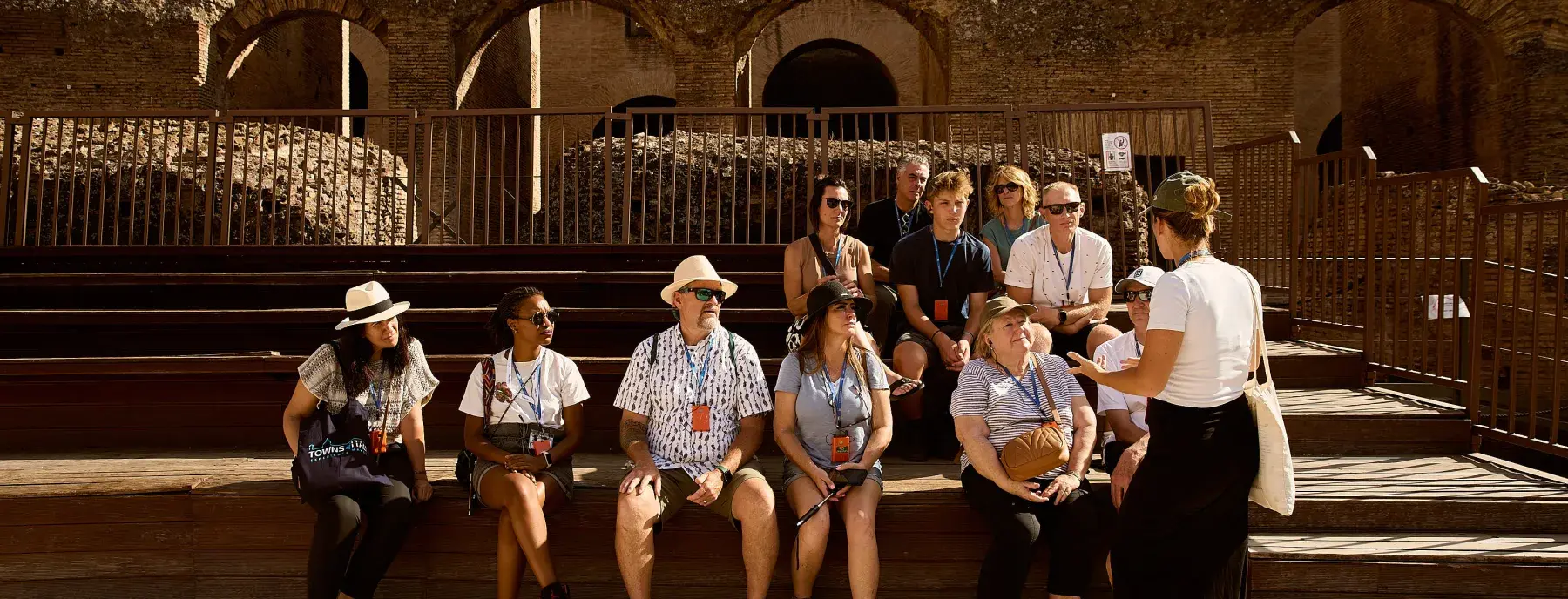
Roman summers are hot. June is manageable — warm and sunny, with temperatures typically around 28–30°C. July and August push regularly above 35°C, and the city can feel genuinely oppressive during peak afternoon hours.
What to pack: breathable, light-coloured fabrics in linen or cotton. Loose trousers, light dresses, shorts. A light scarf or shawl is essential — required to enter churches, and useful against air conditioning in restaurants and shops.
Sun protection is critical: a hat, sunglasses, and high-SPF sunscreen. A small refillable water bottle is your best companion — Rome has hundreds of drinking fountains ("nasoni") throughout the city with cold, clean water.
Plan your days strategically in summer: visit outdoor sites in the morning or late afternoon, take shelter during the 1–3 PM heat, and save indoor attractions (museums, churches) for midday.
Autumn (September to November): The Golden Season


September and October are arguably the best months to visit Rome. Temperatures cool gradually from around 25°C to 16°C, the summer crowds thin out, and the light has that beautiful amber quality that makes the city look like a painting.
What to pack: layering is key. Light tops with a warmer layer for evenings, versatile trousers, and shoes that handle both warmth and the occasional rain. A mid-weight jacket is ideal from October onwards.
Winter (December to February): Mild but Variable
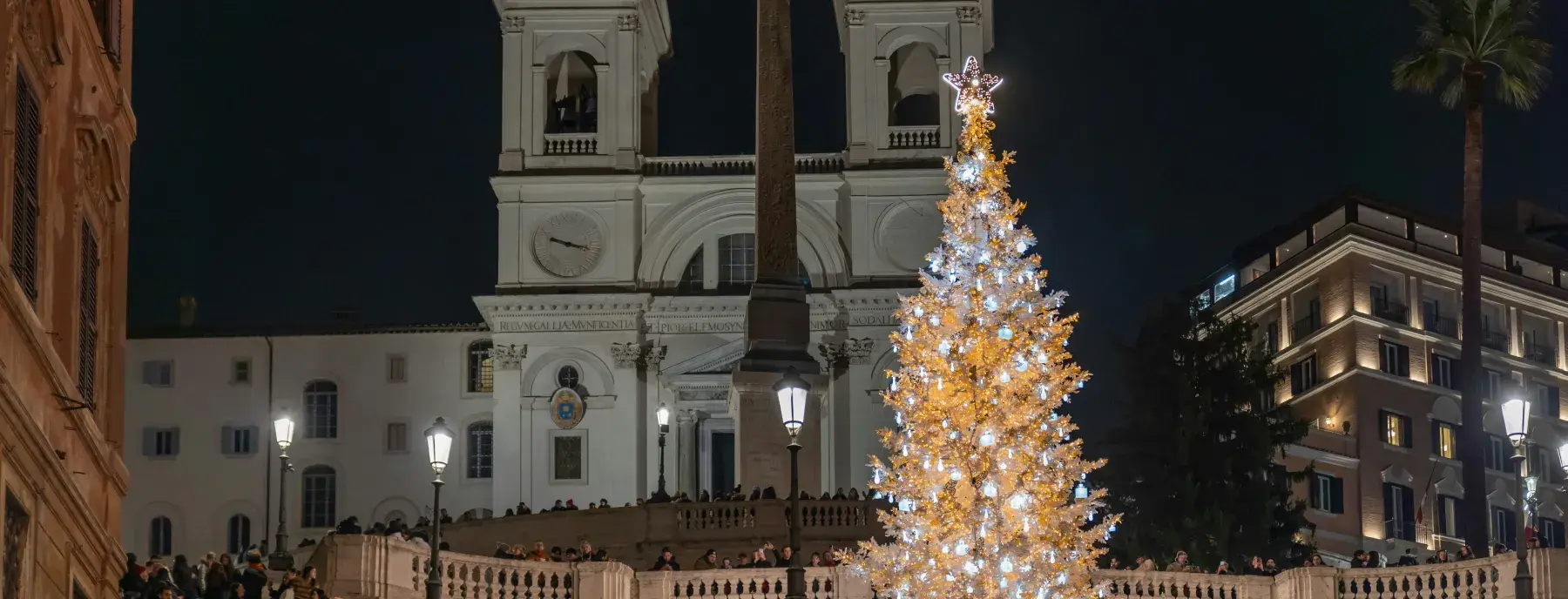
Rome's winters are mild by northern European standards — temperatures typically sit between 5°C and 14°C — but the city can feel damp and the light is flat. It's rarely cold enough to be unpleasant, but layering is essential.
What to pack: a proper mid-weight coat (not a heavy winter parka — it's rarely that cold), warm layers, and waterproof shoes or ankle boots. Romans dress stylishly even in winter, so you won't feel out of place with a decent coat.
One Rule for Every Season: Church Etiquette


Regardless of when you visit, Rome's churches — including the Vatican and the Pantheon — require covered shoulders and knees for entry. In summer, this means carrying a light shawl or scarf that you can throw on when needed. It's a small detail that saves a lot of frustration.


