Pasta Making Class: Florence or Rome — Which One Should You Book?
Two cities, two pasta traditions, one very good question

20 July 2026
Italy is the only country in the world where the question 'which pasta?' is genuinely complicated. Not because the answer is hard, but because the answer is different depending on where you are, who you're asking, and what century you're thinking about. Florence and Rome have been making pasta for hundreds of years, and they have never agreed on how to do it. Going to a pasta class in one of them means choosing a side — at least for a day.
The Fundamental Difference: Fresh vs. Dried
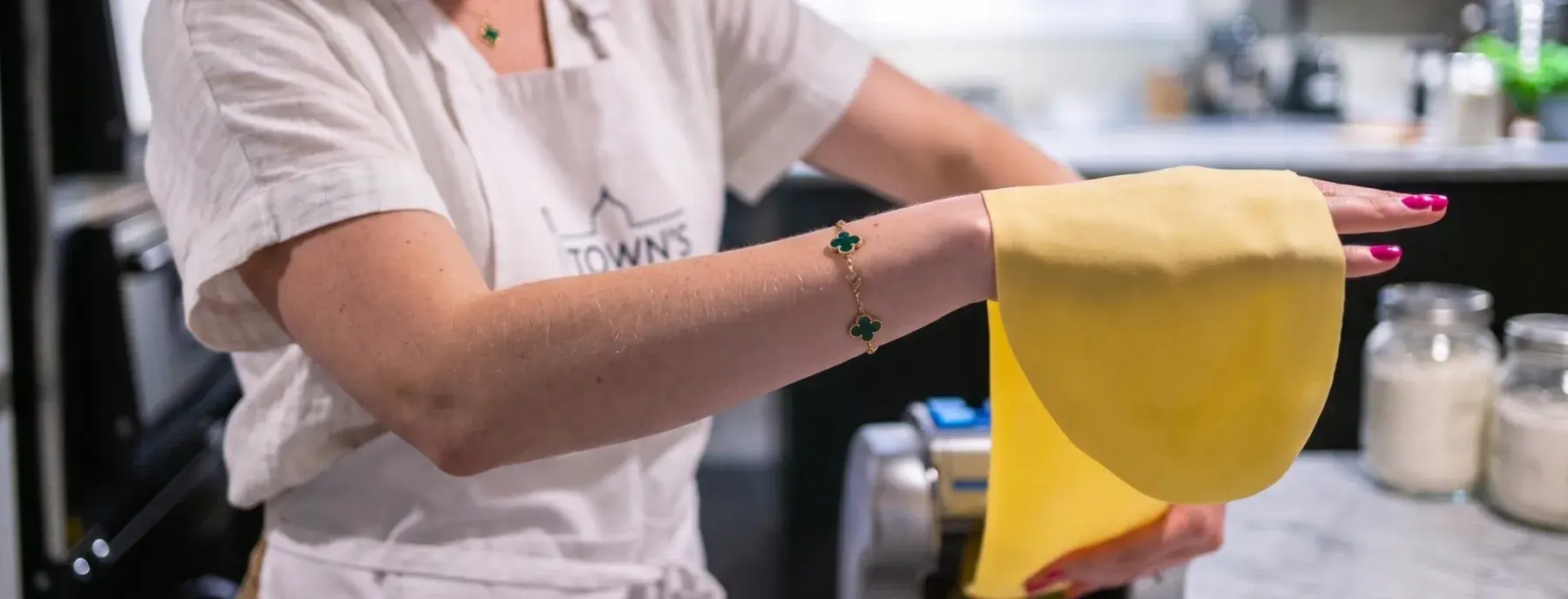
The simplest way to understand the difference between Florentine and Roman pasta is this: Florence lives for fresh pasta, Rome lives for dried. In Florence and across Tuscany, pasta begins with eggs and flour. It's rolled out by hand, cut into shapes, and cooked within hours of being made. The result is silky, rich, and slightly yielding to the tooth.
In Rome, the great pasta dishes — cacio e pepe, amatriciana, carbonara, gricia — are built around dried spaghetti, rigatoni, or tonnarelli. The pasta is firm, with body, and designed to stand up to powerful sauces rather than melt into them.
What You'll Learn in Florence


A pasta class in Florence typically starts with dough. You'll learn the ratio, the technique for bringing it together, how to feel when it's ready, and how to rest it properly. Then comes the rolling — by hand with a long mattarello pin, or with a hand-cranked machine — followed by the cut.
The shapes vary by class: pappardelle (wide ribbons, perfect with wild boar ragù), tagliatelle, pici (thick, hand-rolled, closer to a thick spaghetti), or stuffed pasta like ravioli. You'll also learn the sauces that belong to these shapes: slow ragù, simple butter and sage, truffle-based dressings. By the end of a three-hour class, you'll have rolled, cut, and cooked your own pasta from scratch, and you'll sit down to eat it with a glass of Chianti
What You'll Learn in Rome
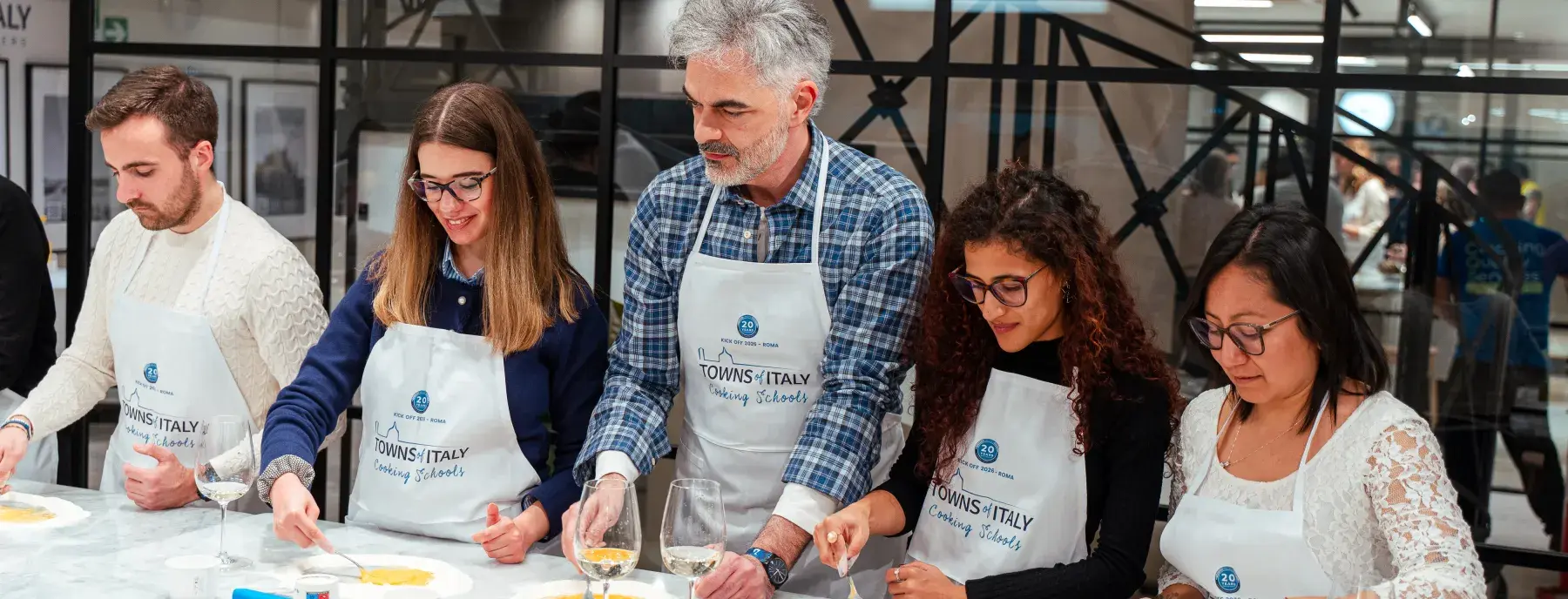
A Rome pasta class may start with fresh pasta, but its heart is in the sauce. The four great Roman pasta preparations — cacio e pepe, carbonara, amatriciana, and gricia — look simple and are technically demanding. They use few ingredients and offer nowhere to hide.
You'll learn why the cheese emulsifies the way it does (temperature matters enormously), why guanciale is not the same as pancetta, and why real carbonara never uses cream. These are not trivial lessons. These are the things that separate good from extraordinary. The session will always make time for at least one iconic Roman sauce, because that's what Rome does best.
Which City Has the Better Pasta Tradition?


Neither. And that's the honest answer. Florence's fresh pasta tradition is older, more varied, and more connected to the agricultural rhythms of the Tuscan countryside. Rome's dried-pasta sauce tradition is bolder, more concentrated, and a masterclass in doing extraordinary things with simple ingredients.
If you love making things from scratch — if the act of mixing, rolling, and cutting is what you want to learn — Florence is your class. If you want to understand flavour, balance, and technique — if you want to understand why pasta tastes the way it does in the best Roman trattorias — Rome is your class.
What If You're Visiting Both Cities?
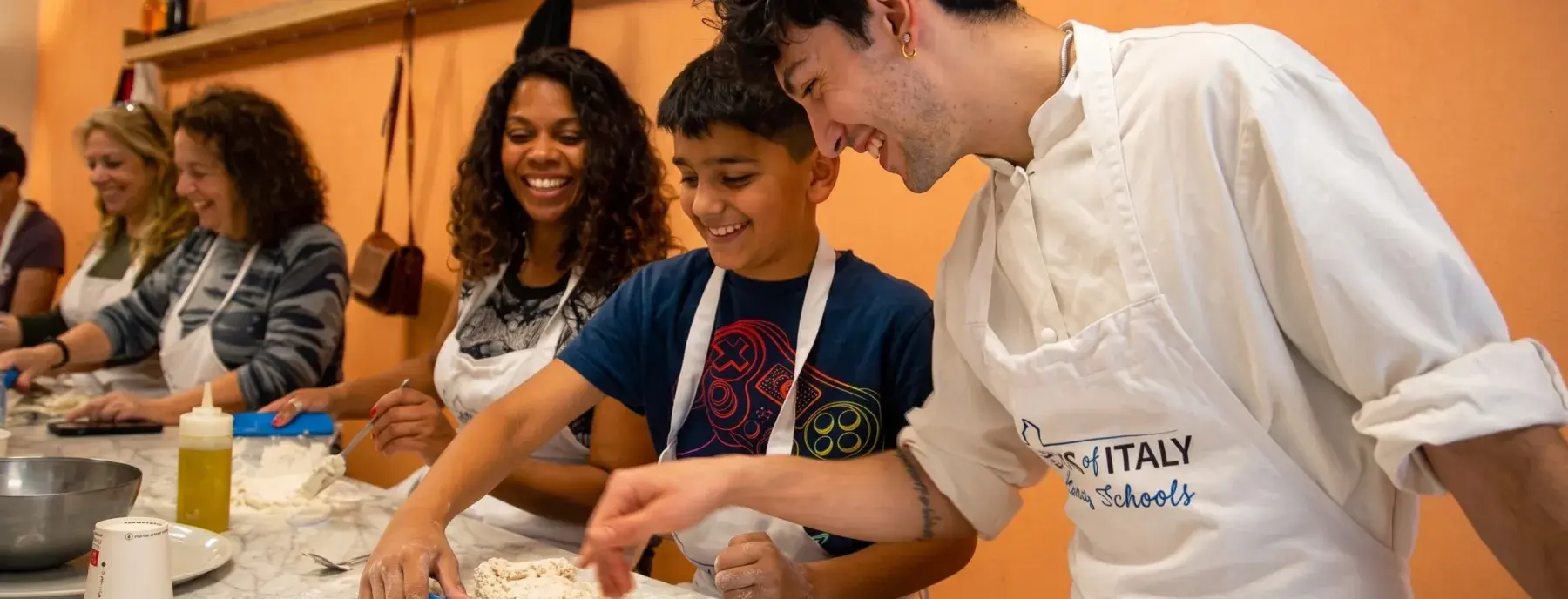
If your trip includes both Florence and Rome, you have a rare opportunity: take a pasta class in each city, cook completely different things, and see the difference for yourself. It's not repetitive — it's comparative, and it teaches you more about Italian food than any single class could.
In Florence: book the fresh pasta and ragù experience. Make pici, make pappardelle, eat lunch in a Florentine kitchen. In Rome: book the carbonara and cacio e pepe class. Learn the sauce techniques. Understand the Roman philosophy of pasta. Come home with two different recipes, two different techniques, and a genuine understanding of why Italian cooking is not one tradition but many.
How to Choose the Right Class in Either City
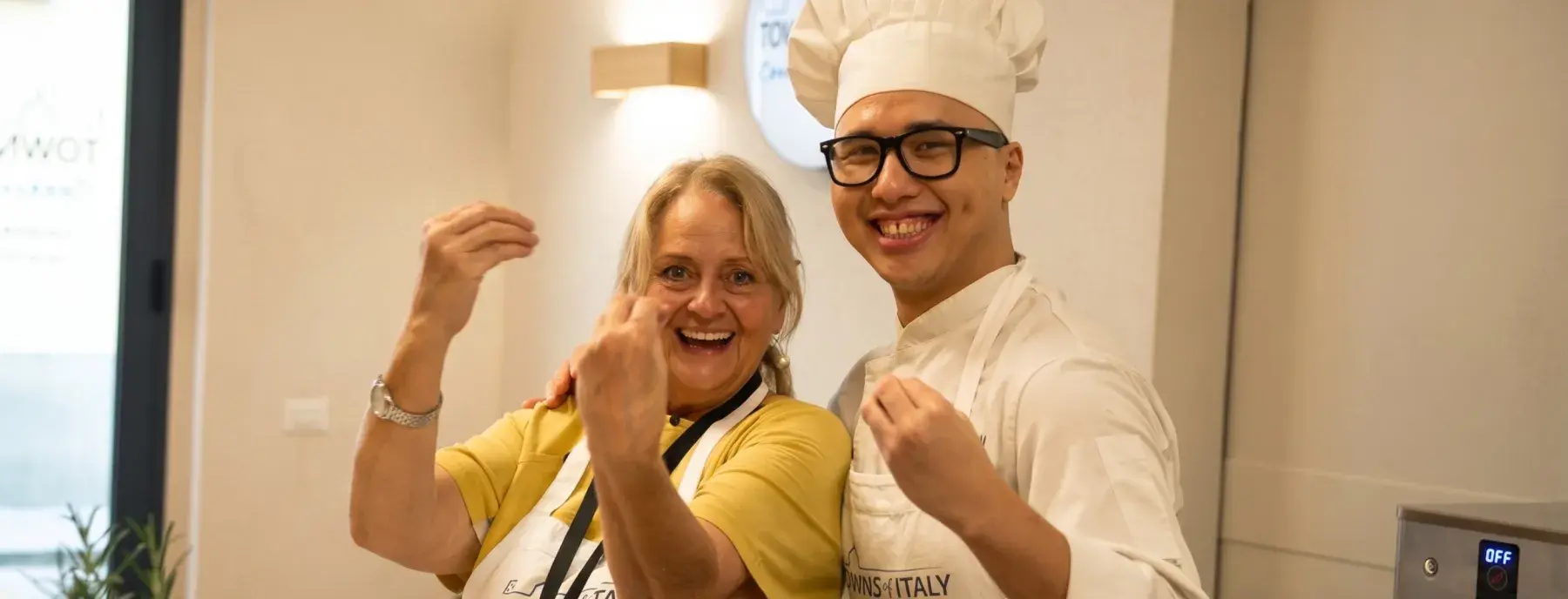
The criteria are the same wherever you are. Look for small groups — eight people or fewer so you're actually cooking, not watching. Confirm that the class is hands-on from the start. Check that English is spoken fluently. Make sure ingredients, wine, and the sit-down meal are included.
Avoid classes that describe themselves primarily as demonstrations. Book in advance — the best classes in both Florence and Rome sell out weeks ahead in high season (March–October). If you're travelling as a couple, a private class is worth the extra cost: completely tailored, personal, and one of the better ways to spend a morning in Italy.
Florence will teach you to shape pasta. Rome will teach you to sauce it. Italy, taken together, will teach you everything.
In this article
Make it real
Explore our tours in Italy


