How to Choose a Cooking Class in Florence (and Tuscany)
Flour on your hands, wine in your glass, and the smell of ragù filling the room — this is how you really learn to cook Italian

Florence is one of the great food cities of the world. Not because of its Michelin stars, but because of what happens in ordinary kitchens — the slow-braised rabbit, the hand-rolled pici, the ribollita that tastes different in every household. A cooking class is the closest you'll get to those kitchens. But not all classes are the same, and choosing the right one makes all the difference.
Market Class or Kitchen Class?
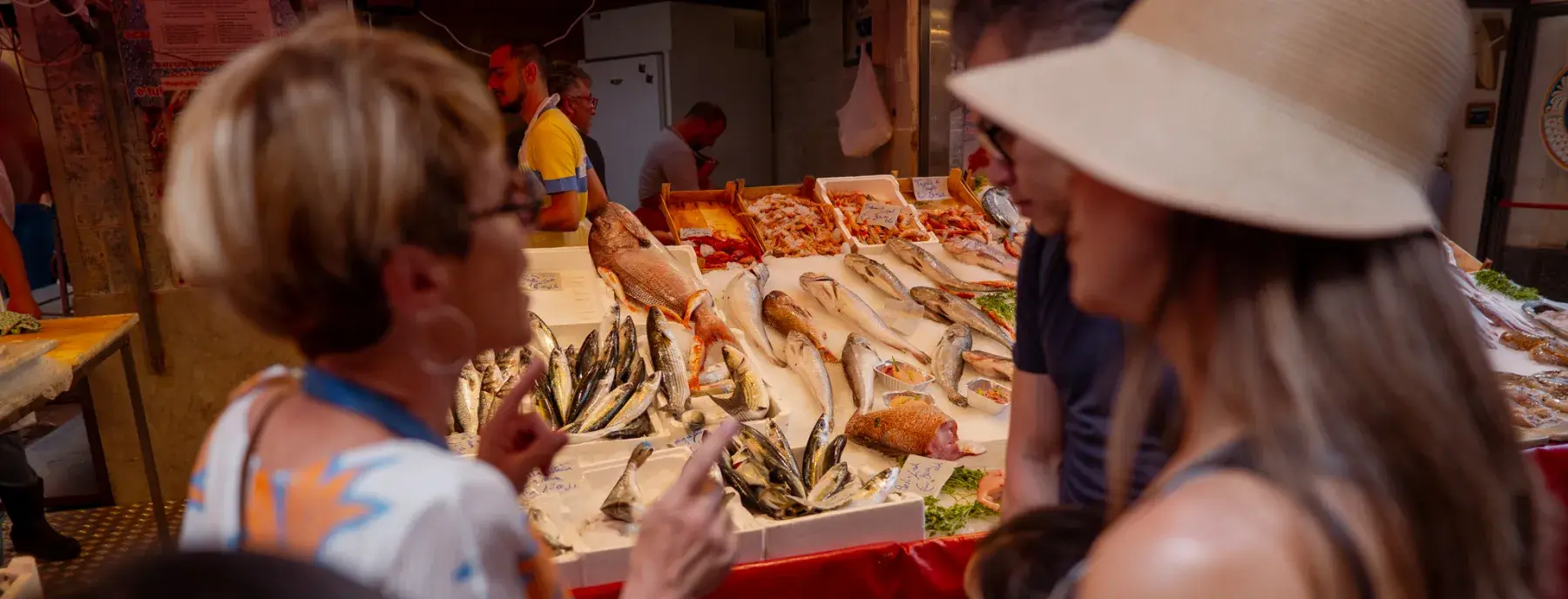
The best cooking experiences in Florence often start before you even touch a pan. Market-based classes take you through the Mercato Centrale or the Sant'Ambrogio market first — picking out ingredients with a local chef, learning to read the seasons, understanding why the tomatoes look different here than back home.
If you have time, choose a class that includes the market visit. It adds an hour to your morning, but it completely changes how you understand the food you're about to cook. If you're short on time or travelling with children, a kitchen-only class is equally rewarding — just a different rhythm.
Pasta, Pizza, or Full Tuscan Menu?


The most popular cooking class in Florence is a pasta class — and for good reason. Fresh pasta is the soul of Tuscan cooking: pappardelle with wild boar ragù, pici with garlic and breadcrumbs, hand-cut tagliatelle. You'll learn a skill you can take home and actually use.
But if you want a deeper experience, look for a full Tuscan menu class: a starter, a pasta, a main, and dessert. Some will teach you ribollita, bistecca, cantucci. These classes run longer — usually three to four hours — and end with a proper sit-down lunch at the table. Pizza is more of a Roman tradition than a Florentine one. If you're in Florence, lean into the pasta.
City Kitchen or Farmhouse in the Hills?
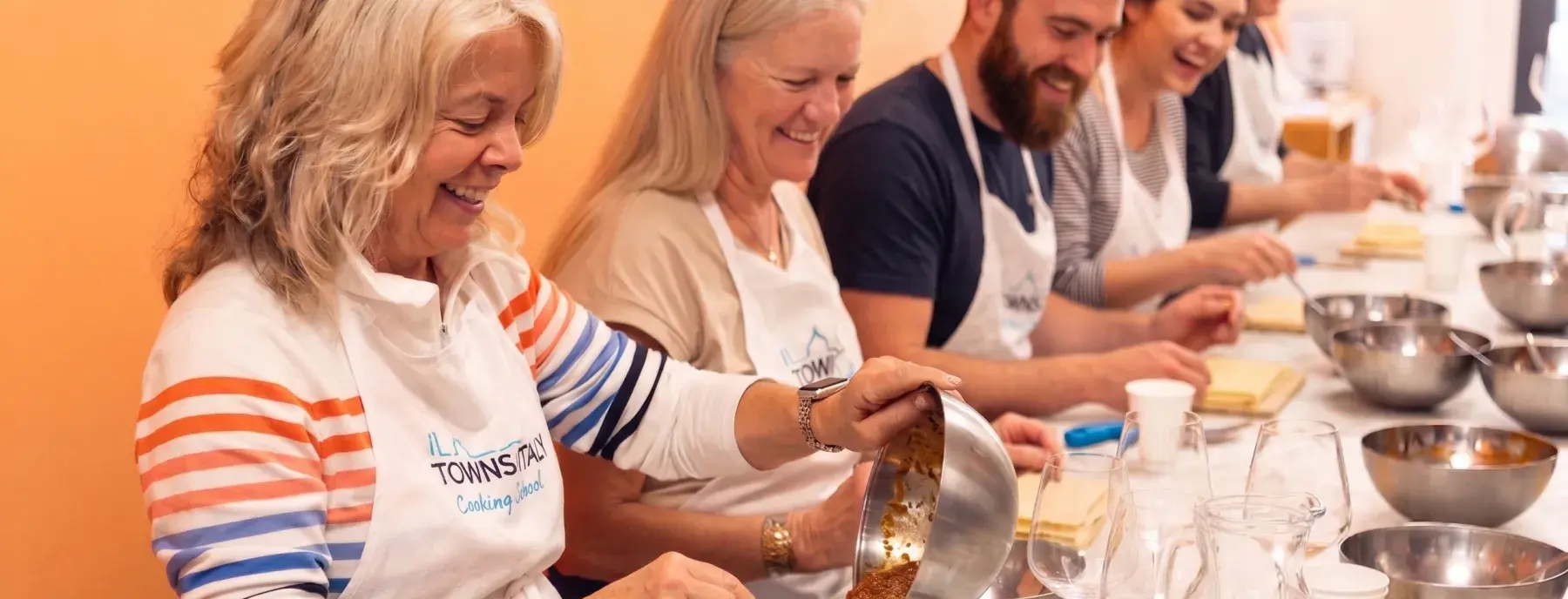
Florence has wonderful cooking classes right in the city centre — convenient, easy to reach, perfect if you're fitting it into a full day of sightseeing. The kitchens are professional, the chefs are excellent, and you're back at your hotel in time for an aperitivo.
But if you have a free day and want something more immersive, a farmhouse cooking class in the Tuscan hills is an entirely different experience. You drive out into the countryside, cook in a stone kitchen overlooking vineyards, eat lunch on a terrace, and come back to Florence feeling like you've lived a different life for a few hours. Both are worth doing. Choose based on your pace and how much time you have.
How Small Should the Group Be?


Group size matters more than most people realise. In a class of twenty, you'll watch more than you'll cook. In a class of eight or fewer, you'll be hands-on from the first minute — rolling your own pasta, seasoning your own sauce, plating your own dish.
Look for classes that specify a maximum of eight to ten people. At that size, the chef can correct your technique, answer your questions, and give you the kind of individual attention that turns a cooking class into a real lesson. Private classes are also available if you're travelling as a couple, a family, or a small group.
What's Actually Included?
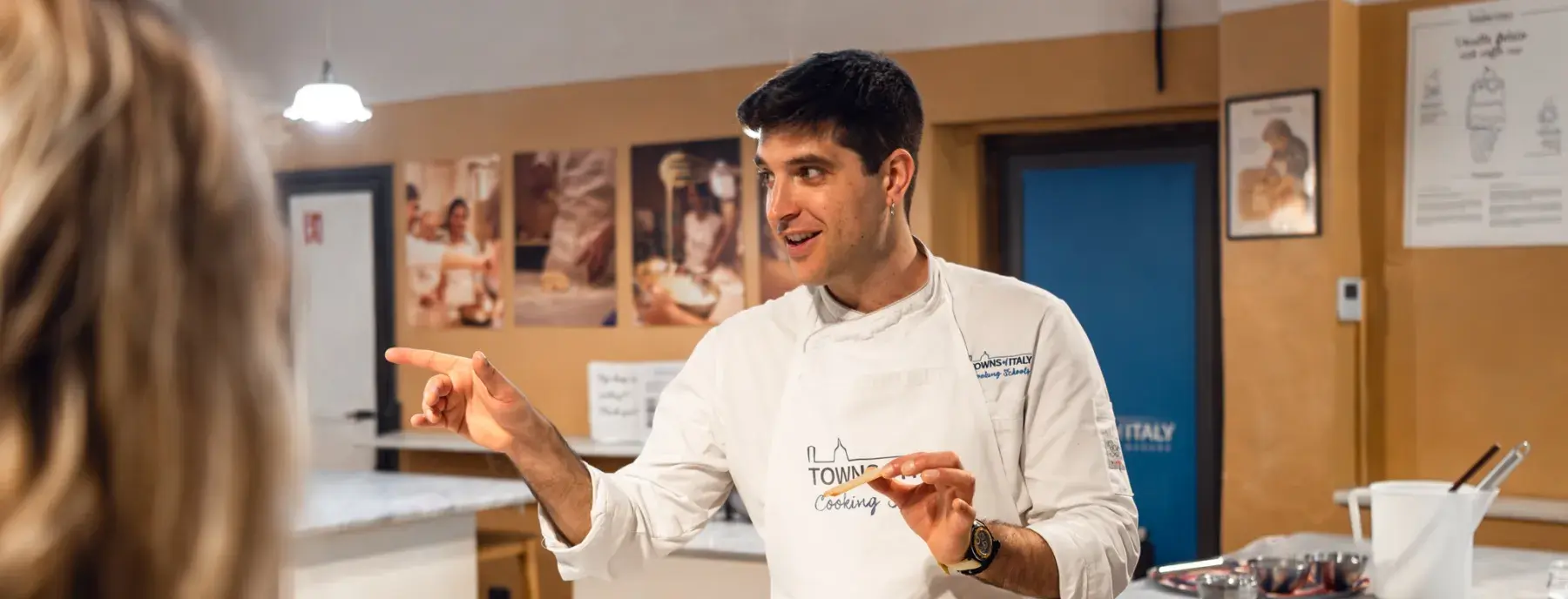
Before you book, read the details carefully. The best cooking classes in Florence include: all ingredients, an apron to wear (and sometimes to keep), wine or prosecco during the class, and a sit-down meal at the end where you eat what you've cooked.
What you're paying for is not just the food. It's the storytelling, the technique, the context. A great chef will teach you not just how to make pasta, but why Tuscany makes it this way.
When to Book — and Why It Matters
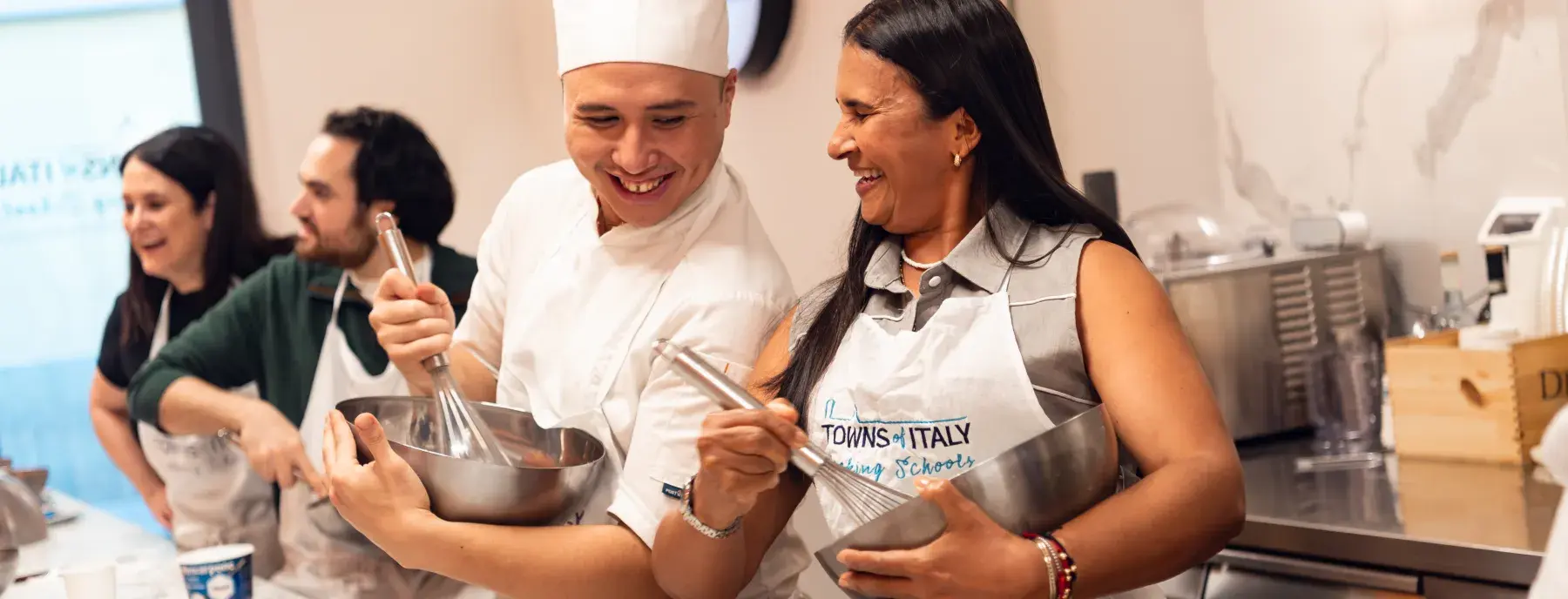
Cooking classes in Florence sell out — particularly the small-group ones, and particularly between April and October. If you have a date in mind, book at least two to three weeks in advance. For summer travel, a month ahead is safer.
Cancellation policies vary. Look for flexible booking — most reputable operators allow changes up to 24 or 48 hours before the class. And one last thing: come hungry. You're going to cook a lot, and then you're going to eat it all.
Florence teaches you something every time you sit down to eat. A cooking class just lets you be part of that lesson.
In this article
Make it real
Explore our tours in Italy


