Rome Cooking Class: What to Expect and How to Choose the Best One
Cacio e pepe, carbonara, and the kind of knowledge that only comes from standing at a Roman stove

Roman cooking is not delicate. It is generous, direct, and built on a handful of ingredients that together become something extraordinary. Pecorino and black pepper. Guanciale and eggs. A cooking class in Rome doesn't just teach you recipes — it teaches you a philosophy: that the best food comes from skill, not complexity.
What You'll Actually Cook in Rome
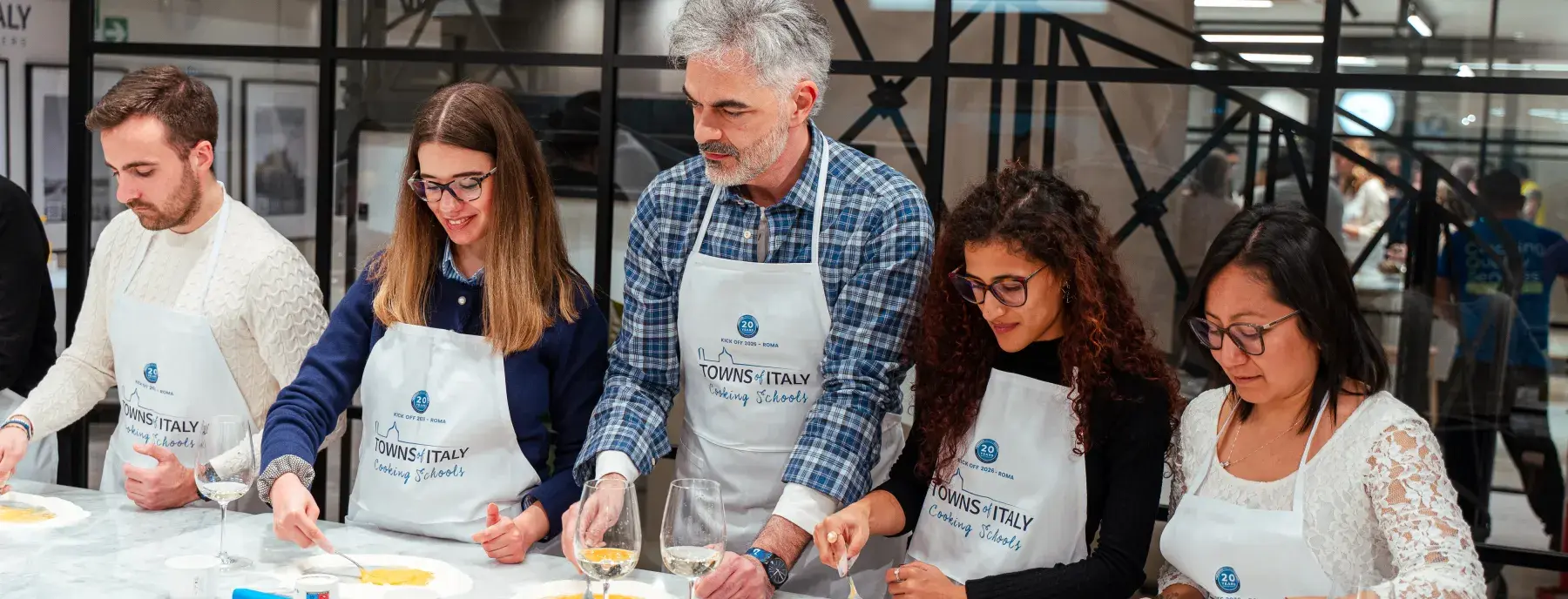
The dishes you'll make in a Roman cooking class are the ones Rome is famous for. Cacio e pepe is usually first — deceptively simple, technically demanding, and the recipe most people get wrong at home until someone shows them the right way to melt the cheese. Carbonara follows, with its silky egg sauce and the eternal debate over who makes it best.
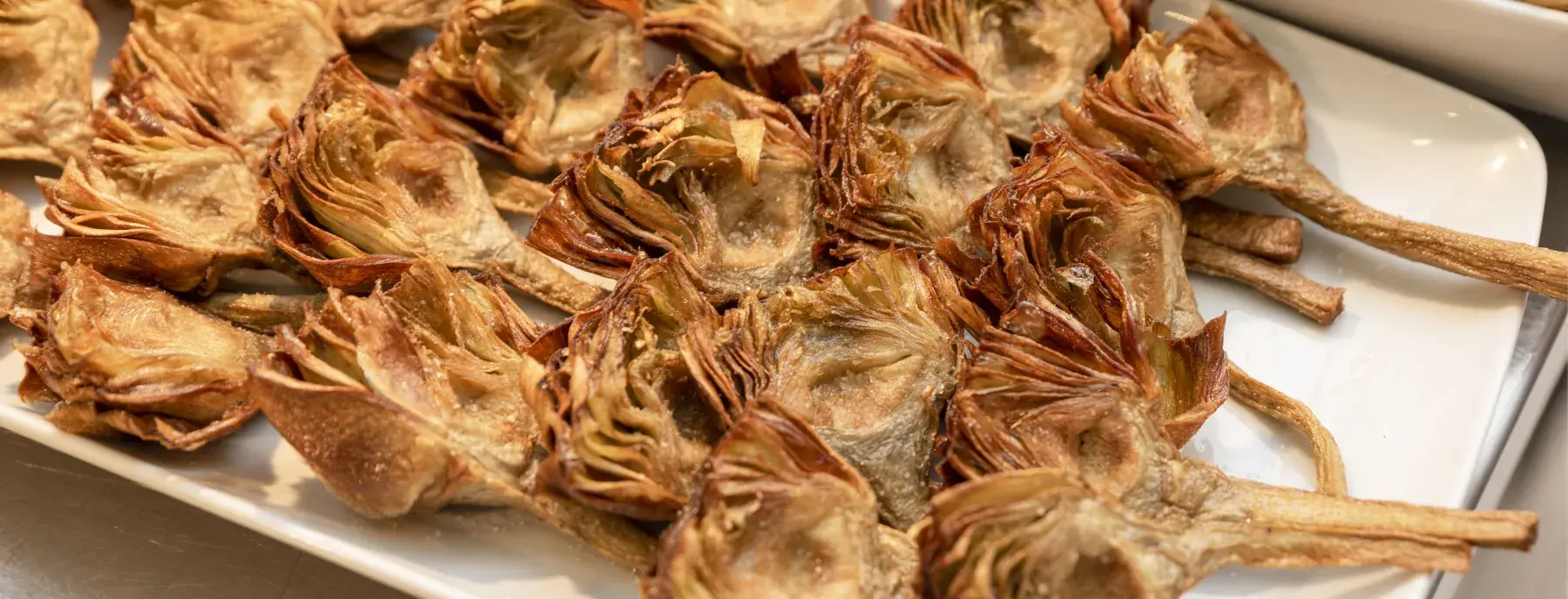
Pasta shapes vary: tonnarelli, rigatoni, or handmade fettuccine depending on the class and the chef. Some classes also cover supplì, bruschetta, artichokes alla giudia, or a traditional Roman secondo like saltimbocca. The full-menu classes — starter, pasta, main, dessert — run longer but end with a feast. If your schedule allows it, they're worth every hour.
Market Tour First, or Straight to the Kitchen?


Rome's markets are some of the best in Italy. Campo de' Fiori, Testaccio Market, Porta Portese — each one a theatre of colour, noise, and extraordinary ingredients. Several cooking schools offer classes that begin with a guided market visit, selecting seasonal vegetables, cured meats, fresh cheeses, and whatever looks best that morning.
If you're the kind of traveller who wants to understand the food, not just cook it, start with the market. The hour you spend there changes the hour you spend in the kitchen. If you're travelling with children or on a tight schedule, a kitchen-only class works just as well.
What Makes Roman Cooking Different from Tuscan?
Tuscan cooking is about freshness, simplicity, and the countryside — fresh pasta rolled by hand, vegetables from the garden, slow braises with local wine. Roman cooking is bolder, more urban, built on cucina povera — the art of making extraordinary food from inexpensive ingredients.
If your Italy trip includes both cities, you don't have to choose. But if you're only in one, book the class where you are — and cook what that city does best.e.
How to Spot a Good Cooking Class in Rome


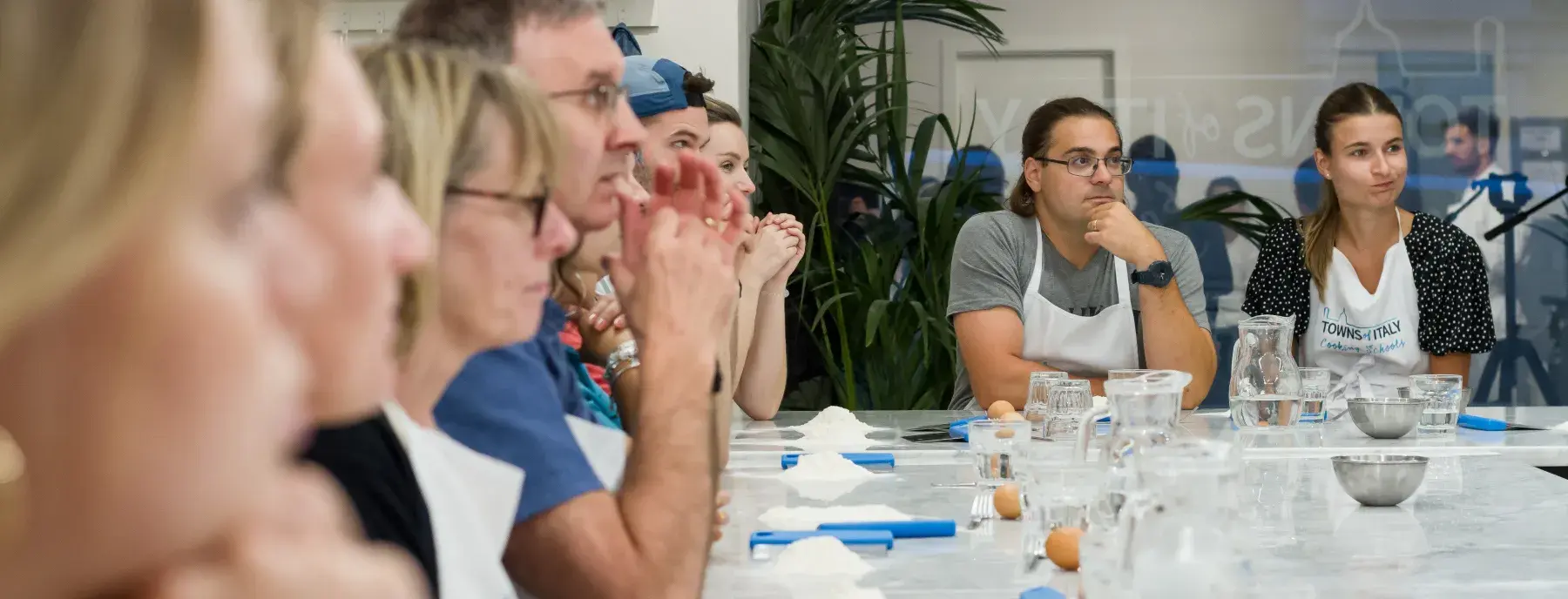
The best cooking classes in Rome share a few things. They keep groups small — eight people or fewer means you'll actually cook, not just watch. The chef speaks enough English to explain what they're doing and why. The class includes all ingredients, wine or prosecco during the session, and a proper sit-down meal at the end.
Watch out for classes that are essentially demonstrations. You should be rolling pasta, making sauces, and plating your own dish — not observing from a stool. Ask specifically: 'Will I be hands-on the whole time?' A good class takes three to four hours. Any shorter and you're not getting the full experience.
Private vs. Group: Which Is Right for You?
Group classes are social, lively, and excellent value. You'll cook alongside strangers who quickly become lunch companions. There's always someone who's never made fresh pasta before, and watching them succeed is half the fun.
Private classes are quieter, more personal, and completely tailored. You choose the dishes. The chef focuses entirely on you. If you're celebrating a honeymoon, an anniversary, or just want to cook a Roman dinner for your family when you get home, a private class is a beautiful way to spend a morning in Rome.
Practical Tips Before You Book
Cooking classes in Rome book up quickly between March and November. If you know your travel dates, reserve at least two to three weeks ahead. Summer weekends go fast.
Wear comfortable clothes you don't mind getting a little flour on. Come with an appetite. You will cook a full meal, and you will eat it at the table with your classmates, with wine poured, and the conversation that only happens after a morning spent doing something you love.
Rome puts everything it has into its cooking. A few hours in one of its kitchens will change how you eat pasta for the rest of your life.


