Guided tour of Palazzo dei Normanni and Cappella Palatina in Palermo
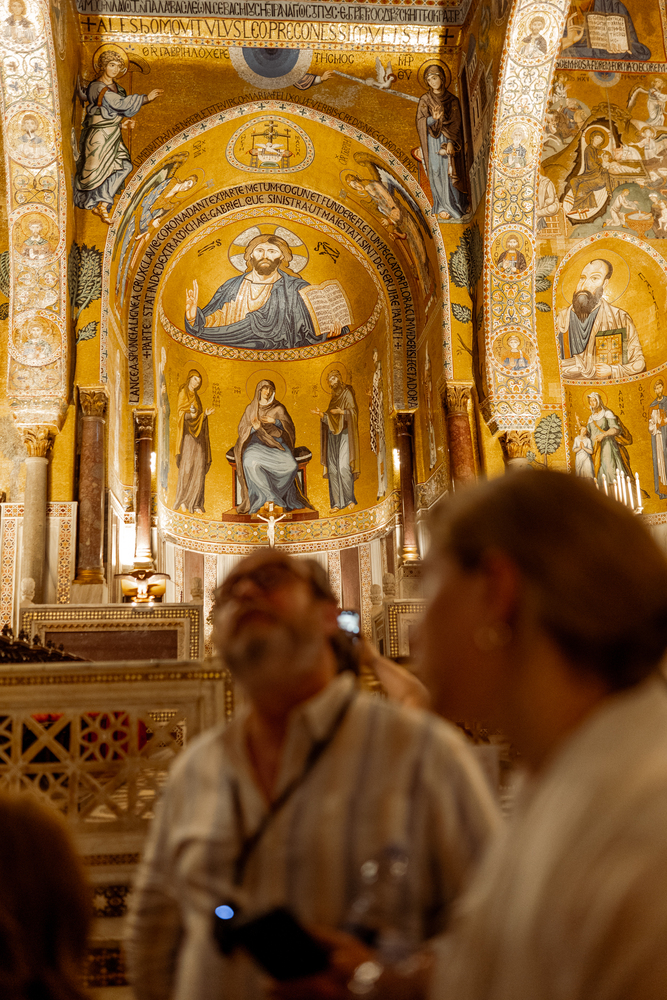
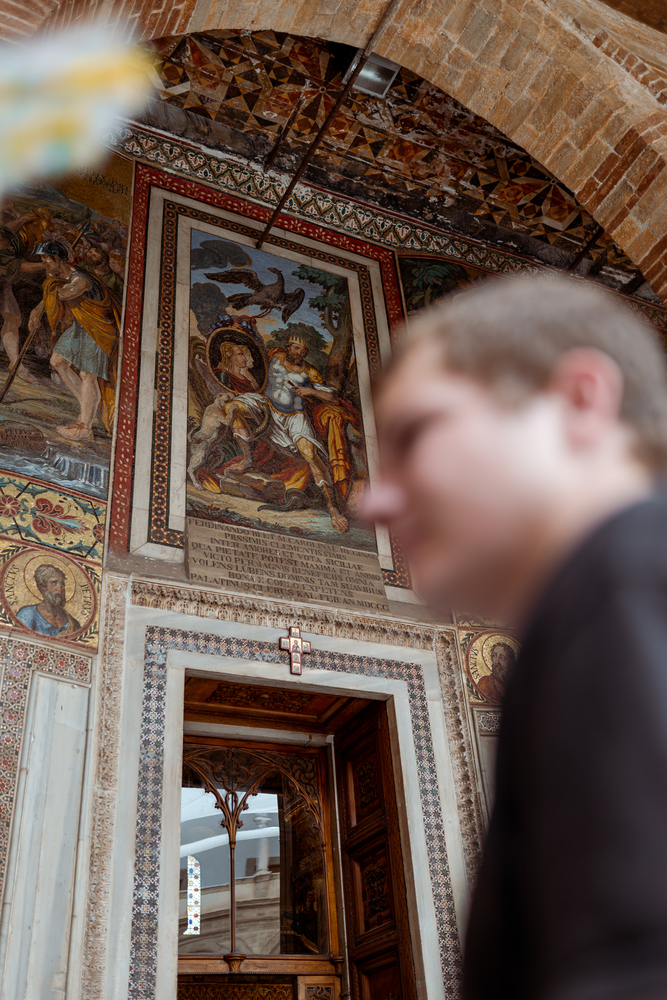
Visit two absolute must-sees in the Sicilian capital with this guided tour of the Palazzo dei Normanni and Cappella Palatina. With more than 800 years of history, it’s perfect for culture vultures!
- Visit the former seat of power for the rulers of Sicily
- Enjoy a 1.5 guided tour with a knowledgeable guide
- See the remains of a melting pot of eastern and western history in the Cappella Palatina
- Marvel at the Byzantine mosaics on the walls
- Be ready to visit one of the most ancient palaces in Europe
Meeting Point
Meet our tour leader in Piazza del Parlamento, in Palermo, at the main entrance of Normanni Palace.
Want to share this experience just with your partner or your family?
Discover our Private Tour proposals.
Private upgrade
What is the Cappella Palatina, and why is it considered extraordinary?
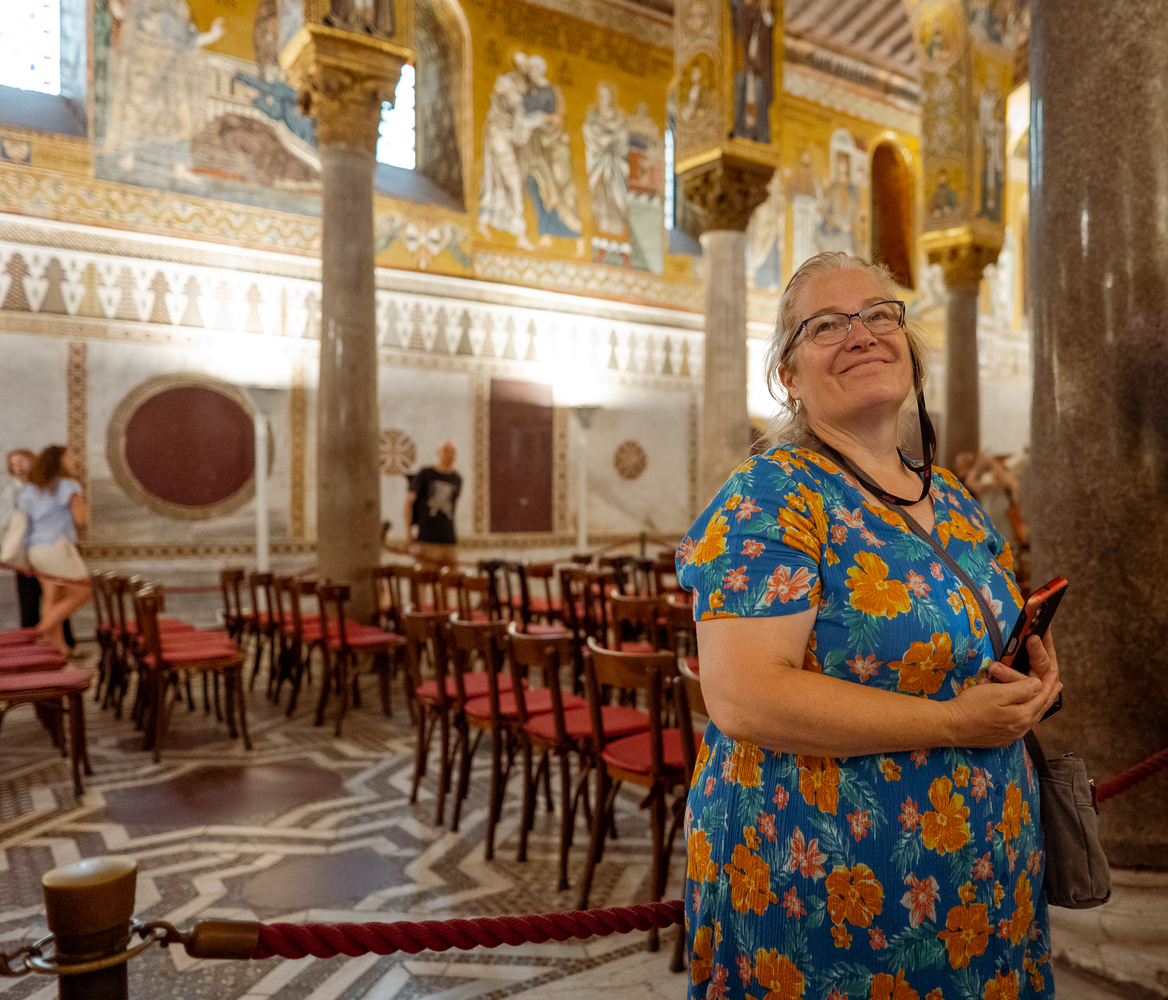
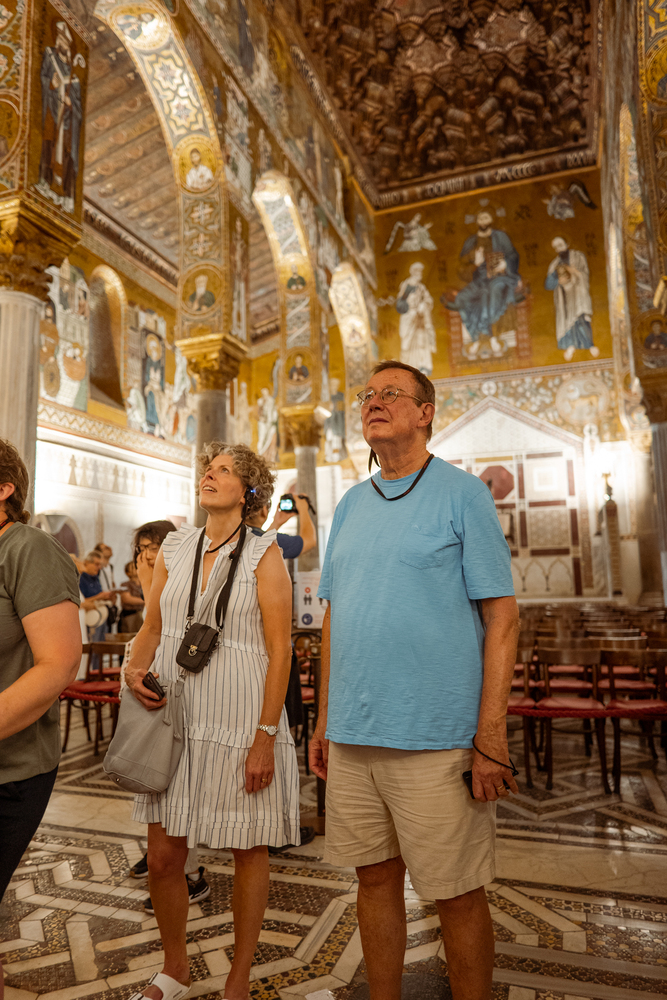
The Cappella Palatina is the royal chapel of Palazzo dei Normanni, built in the 12th century by the Norman King Roger II. Its interior is entirely covered in shimmering Byzantine gold mosaics — a breathtaking fusion of Norman, Arab, and Byzantine art that exists nowhere else on earth. It is considered one of the greatest expressions of medieval art in the Mediterranean world and is part of the UNESCO Arab-Norman Palermo World Heritage Site.
How old is Palazzo dei Normanni, and what was it used for historically?
Palazzo dei Normanni — also known as the Royal Palace of Palermo — is considered the oldest royal residence in Europe, with foundations dating to the 9th century under Arab rule. It was subsequently expanded by the Norman kings in the 11th and 12th centuries and became the seat of one of the most sophisticated and multicultural courts in medieval Europe. Today it still functions as the seat of the Sicilian Regional Parliament.
What architectural styles are combined in the Cappella Palatina?
The chapel is a rare convergence of three civilizations: the pointed arches and muqarnas wooden ceiling reflect Fatimid Arab craftsmanship; the gold mosaics on the walls and apse follow the Byzantine tradition; and the overall structure and layout are Norman Romanesque. This trilingual artistic language — Arabic, Greek, and Latin — was a deliberate political statement by the cosmopolitan Norman court of 12th-century Sicily.
Is the Cappella Palatina open every day, and are there any access restrictions?
The palace and chapel are generally closed on Sunday afternoons when the Regional Parliament is in session, and access to certain rooms may be restricted during official parliamentary activities. Entry to the chapel requires covered shoulders and knees (sacred site dress code). Skip-the-line tickets, included in this tour, are strongly recommended as queues can be long during peak season.
Is Palermo worth visiting, and where does this palace fit in a broader itinerary?
Palermo is one of Sicily's most rewarding and undervisited cities — a layered capital shaped by Greeks, Romans, Arabs, Normans, and Spaniards over 2,700 years. Palazzo dei Normanni is its most important monument and the logical starting point for any visit. After the guided tour, the historic center is easily walkable: the Ballarò and Capo markets, the Cattedrale, and the Church of San Giovanni degli Eremiti are all within 15 minutes on foot.
What is your Cancellation Policy?
Cancellations are free up to 24 hours before the tour departure. For cancellations made within 24 hours of the tour start time, as well as in case of no-shows, the full amount will be charged.

Starting from
price per person