Private Vasari Corridor and Uffizi Gallery guided tour
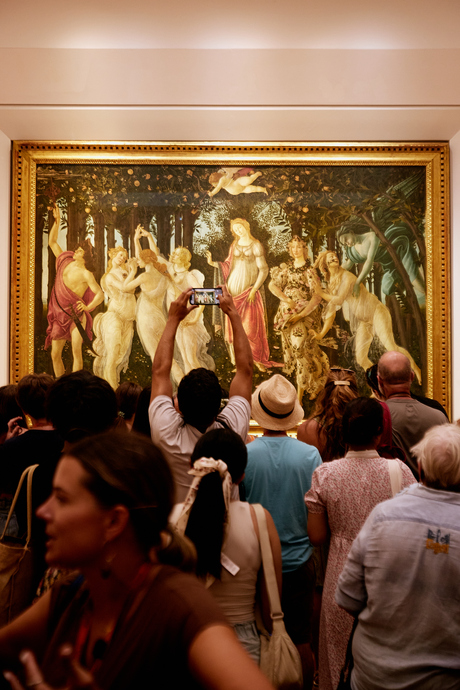
Dive into Florence’s rich Renaissance heritage with a private guided tour of the Uffizi Gallery and exclusive access to the iconic Vasari Corridor.
- Explore the Uffizi Gallery with skip-the-line access and a private guide
- Admire masterpieces by Botticelli, Leonardo da Vinci, and Michelangelo
- Be among the first to walk through the reopened Vasari Corridor
- Enjoy exclusive views of Florence from this historic elevated walkway
- Immerse yourself in a private journey in Florence Renaissance
Meeting Point
Meet your tour leader in front of the Towns of Italy Kiosk, in Piazza della Repubblica, under the arches on the left facing the Apple Store.
What is the Vasari Corridor and why was it built in secret by the Medici in 1565?
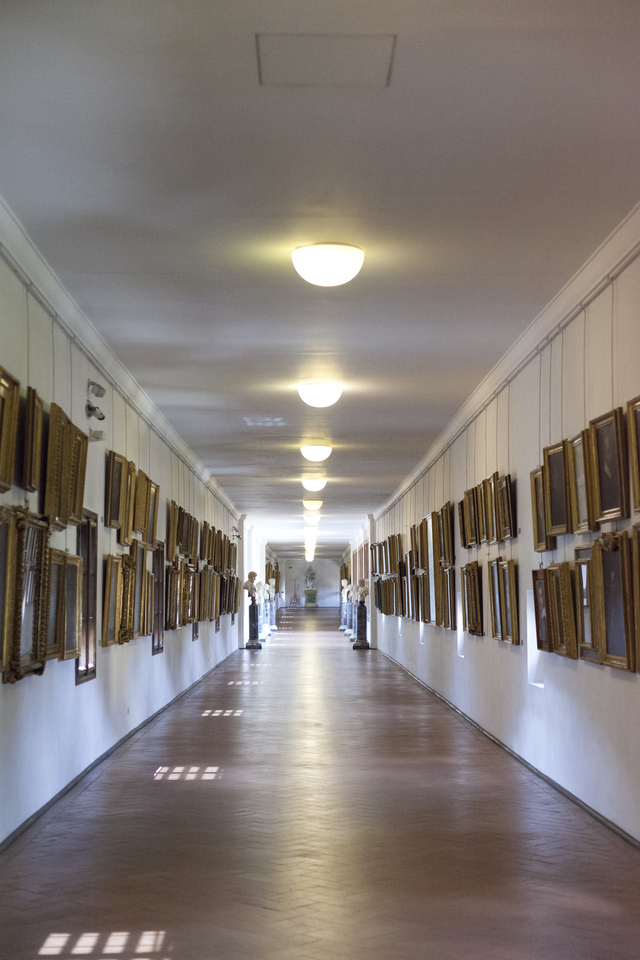
The Vasari Corridor is one of the most extraordinary private architectural structures in the world. Commissioned by Cosimo I de' Medici and designed by Giorgio Vasari, it was built in just five months in 1565 — with a speed that was itself a demonstration of Medici power. The corridor stretches for approximately 1 kilometre, beginning at the Palazzo della Signoria (then the seat of Medici government), passing through the Uffizi Gallery, crossing the Arno via a passageway built over the top of the Ponte Vecchio's shops, and ending at the Palazzo Pitti — the Medici family's private residence on the south side of the river. Its purpose was to allow Cosimo and his successors to move between the centre of political power and their private residence without ever descending to street level, without mixing with the populace, and — crucially — in complete security. It was a private highway through the city, built above the heads of its inhabitants.
Why was the Vasari Corridor closed for decades, and what makes its recent reopening so significant?
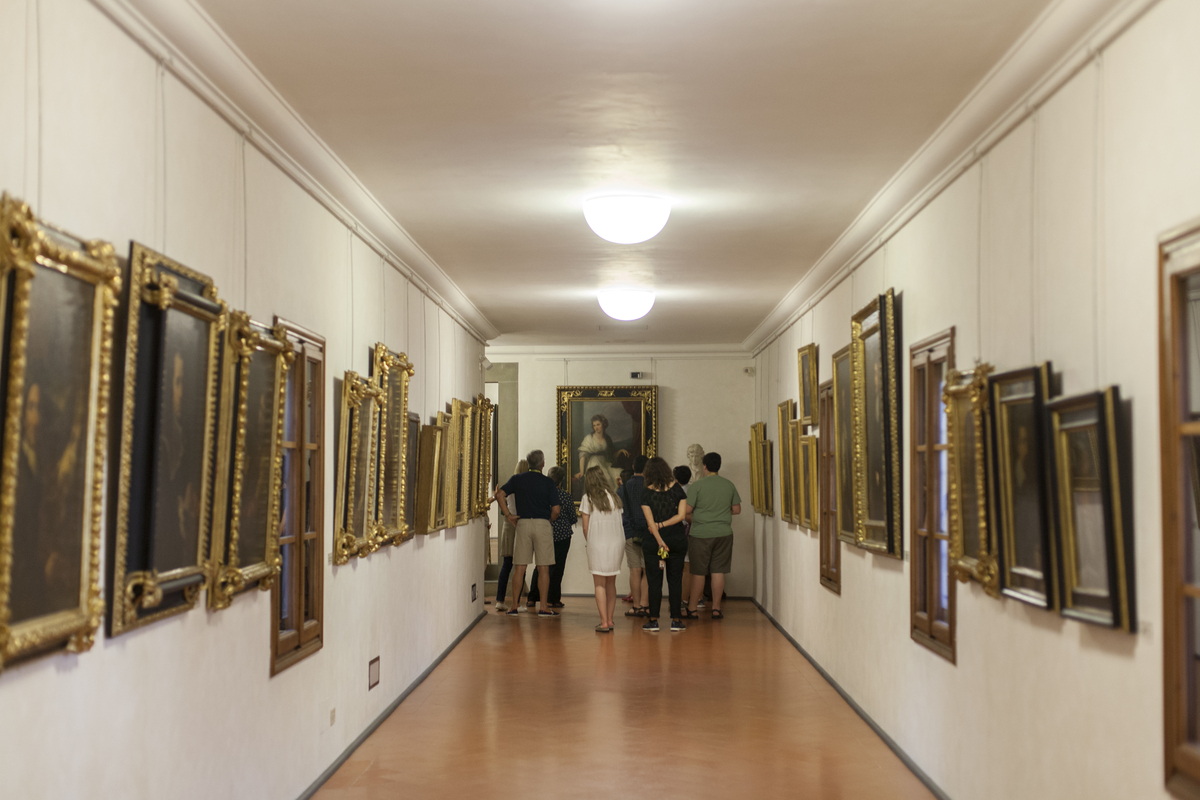
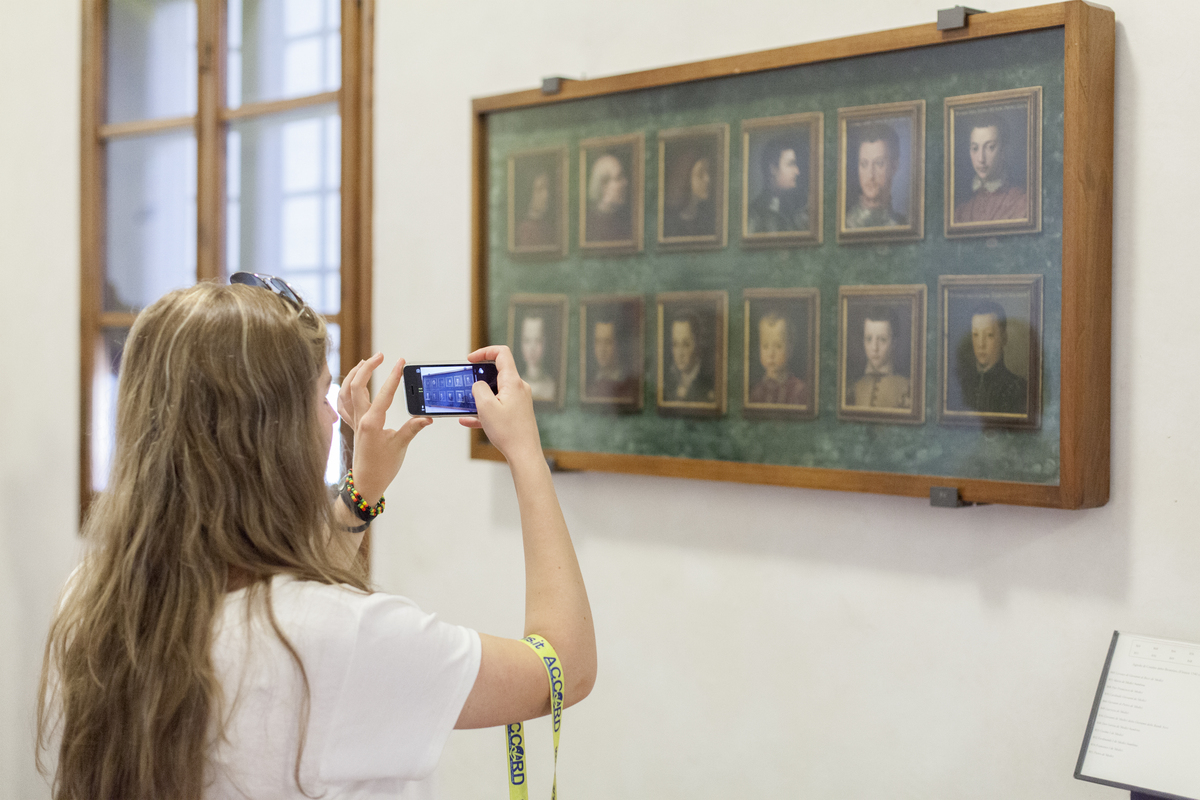
The Vasari Corridor has had a complicated modern history. It was used as an art storage and display space for much of the 20th century, housing a collection of artist self-portraits that grew to become one of the largest in the world. However, decades of deferred maintenance, structural concerns, and the need for significant conservation and accessibility work led to its closure to the public in 2016. The corridor underwent an extensive and expensive restoration programme — one of the most ambitious museum renovation projects in Italy in recent decades — involving structural consolidation, fire safety upgrades, new lighting, climate control, and the reinstallation and restoration of the artworks displayed within. Its recent reopening represents a genuinely significant moment in the cultural life of Florence, restoring public access to a space that most living visitors to the city have never been able to enter. Private guided access to the corridor remains rare and must be pre-booked.
What views and perspectives from the Vasari Corridor are impossible to find anywhere else in Florence?
The Vasari Corridor offers perspectives on Florence that are genuinely impossible to replicate from any other vantage point. The most dramatic is the view from the windows above the Ponte Vecchio: looking down through the corridor's small oval windows, you see the goldsmith shops below you and the Arno stretching out in both directions, framed by the historic skyline. This is the view that Cosimo I de' Medici had every time he crossed the bridge — a view above the city rather than within it. The section of the corridor that runs along the south bank of the Arno offers views across the river to the north bank that are entirely different from anything available at street level — looking across at the Uffizi, the Palazzo della Signoria, and the rooftops of the historic centre from an elevated, unobstructed position. These are views that have been available to almost no one for the past decade.
What makes the Uffizi Gallery one of the most important art museums in the world?
The Uffizi Gallery in Florence houses the most important collection of Italian Renaissance painting in the world, and its holdings extend far beyond Italy to include major works by Flemish, German, and Spanish masters. The collection was assembled by the Medici family over nearly three centuries and bequeathed to the city of Florence in 1743 by Anna Maria Luisa de' Medici, the last of the dynasty, on the condition that it never leave the city. Among its treasures are Botticelli's Birth of Venus and Primavera — two of the most famous paintings in Western art; Leonardo da Vinci's Annunciation; Michelangelo's Doni Tondo; works by Raphael, Titian, Caravaggio, and Giotto; and one of the largest collections of self-portraits in any museum. The building itself — designed by Giorgio Vasari between 1560 and 1580 — is architecturally significant, and the arrangement of the collection traces the entire development of Italian painting from the 13th century to the 17th.
Why is combining the Uffizi Gallery and the Vasari Corridor in a single private tour such a rare opportunity?
The Uffizi and the Vasari Corridor are physically connected — the corridor begins at the Uffizi Gallery and exits through the gallery's structure — but they are administratively separate, require separate bookings, and cannot easily be combined on a self-guided visit. More importantly, the Vasari Corridor requires guided access and its tickets are limited, making availability a genuine constraint. A private tour that combines both in a single experience is rare: it requires coordination between the Uffizi's ticketing system and the corridor's separate access management, and it gives you the full sweep of the Medici's cultural world — from the greatest art collection in Italy to the private highway that connected their political power to their domestic life. For visitors with a serious interest in the Medici, the Renaissance, or Florence's architectural and artistic heritage, this is the single most complete experience the city offers.
What is the cancellation policy?
For groups of 1 to 8 people, a full cancellation fee applies if you cancel within 7 days of your tour date or in case of no-show. For groups of 9 or more, availability and cancellation terms are available on request.


Starting from
price per person
based on a group of 4