After the Colosseum tour: Five Places to Discover Nearby
The arena is just the beginning — here's what to do with the rest of your day

After exploring the Colosseum, Rome doesn’t end — it unfolds.
On the surrounding hills and streets, a different Rome waits: quieter, more layered, and far less visited. These five stops reveal what the neighbourhood around the Colosseum truly has to offer.
Monti – Rome’s most lived-in neighbourhood


Just a few minutes’ walk from the Colosseum, Monti is one of Rome’s oldest and most characterful neighbourhoods. Narrow cobbled streets wind between artisan workshops, natural wine bars, and vintage clothing shops — all without a tourist menu in sight. Come early evening for a glass of wine at one of the enoteca lining Via dei Serpenti, and watch the neighbourhood come alive in its own unhurried way.
If you want to turn that evening aperitivo into a full Roman dinner you actually made yourself, our pasta and gelato cooking class in Rome starts just minutes away — fresh pasta, unlimited wine, and a table full of people who came for the same reason you did
Basilica dei Santi Quattro Coronati – The Medieval Secret
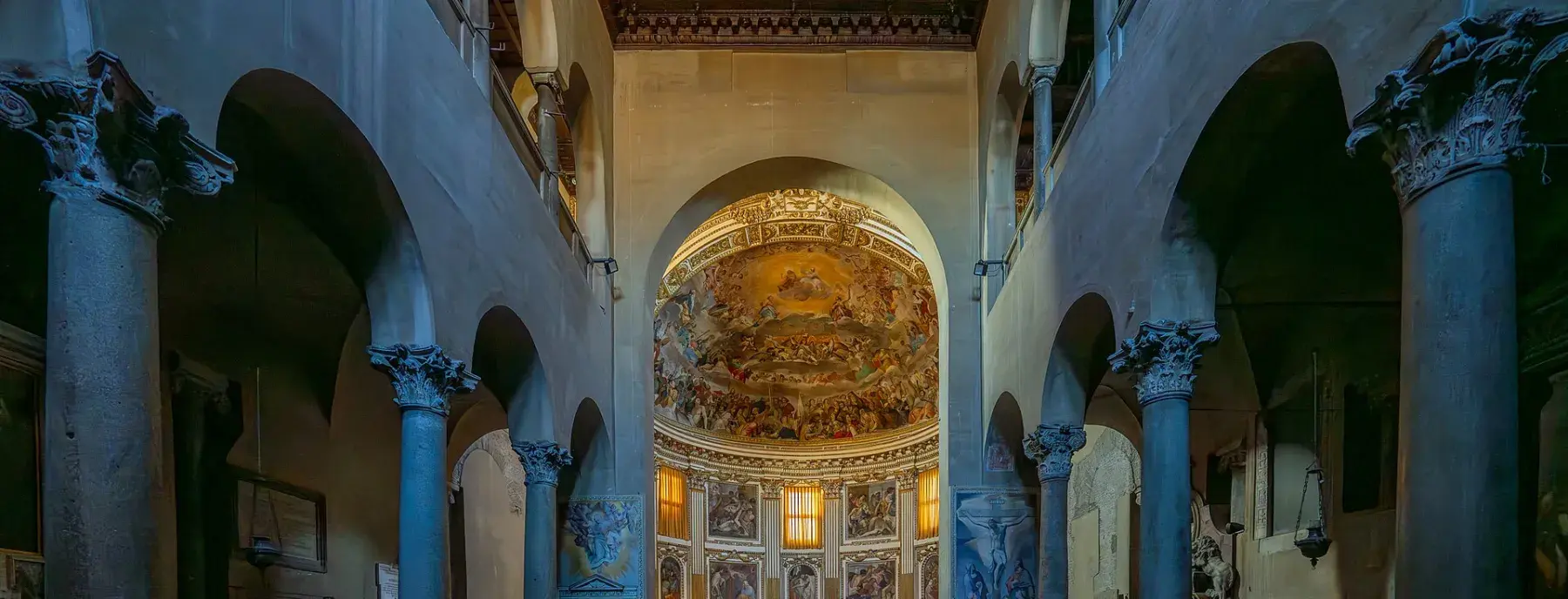
Hidden at the top of a steep lane off Via dei Santi Quattro Coronati, this fortified medieval basilica is one of Rome’s best-kept secrets — just ten minutes on foot from the Colosseum. Ring the bell at the inner door and a nun will silently pass you the key to the 13th-century Cappella di San Silvestro, a small room decorated with extraordinary frescoes depicting the legend of Emperor Constantine’s conversion to Christianity. The cloister — one of the most beautiful Romanesque cloisters in Rome — can be visited for a small donation. The whole experience feels like stepping outside of time.
Villa Celimontana – Rome’s hidden garden
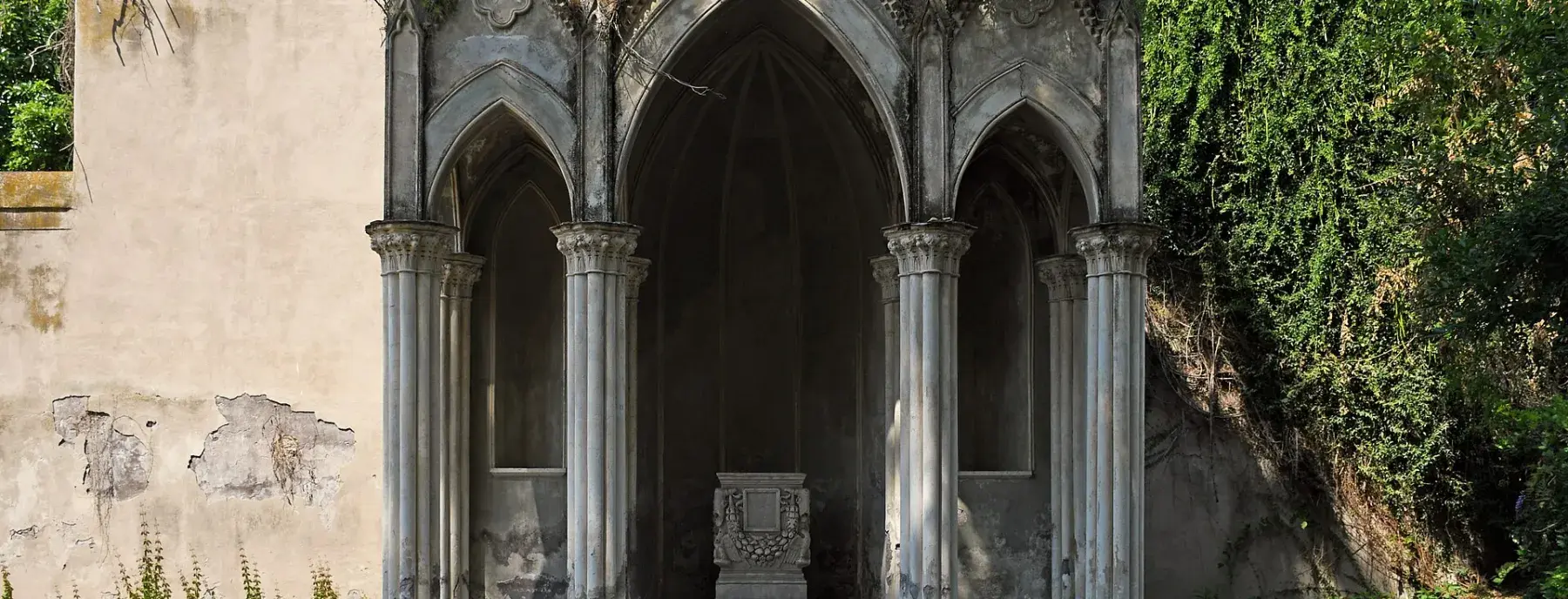
A five-minute walk from the Colosseum along the Celio hill, Villa Celimontana is one of the most peaceful green spaces in central Rome. Built around a 16th-century villa, the park is a favourite of locals with children, students reading on the grass, and anyone seeking a quiet hour away from the city’s noise. Ancient ruins and Egyptian obelisks are scattered among the trees, almost casually. In summer, the park hosts one of Rome’s best jazz festivals — open-air concerts in a setting that most tourists never discover.
Basilica di Santa Maria Maggiore – Mosaics from Another World


Around fifteen minutes on foot from the Colosseum, Santa Maria Maggiore is one of the four great papal basilicas of Rome — and arguably the most undervisited. Its interior contains some of the finest early Christian mosaics in existence, dating from the 5th century, still glowing with gold and colour above the nave. Unlike St Peter’s, there are almost no queues. The coffered ceiling, gilded with the first gold brought from the Americas by the Spanish crown, adds a layer of history that even the most seasoned traveller rarely knows.
Terme di Caracalla – The Scale of Ancient Rome
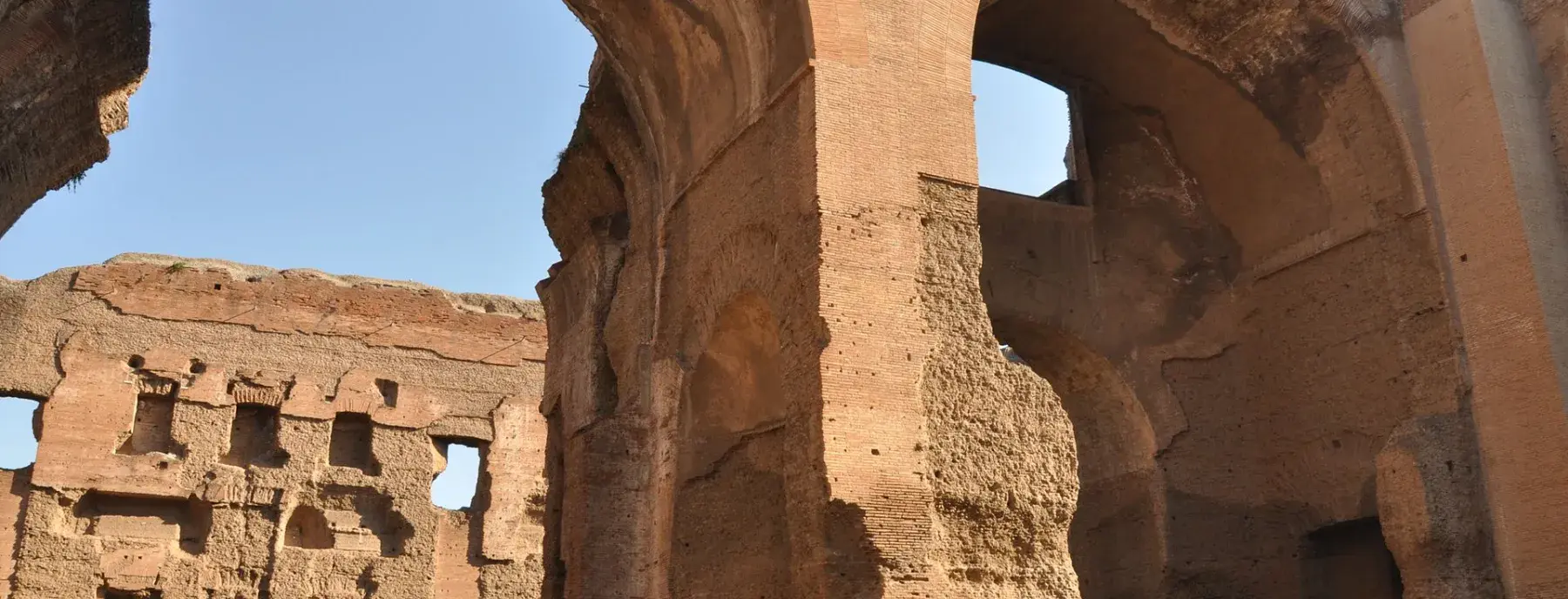
Fifteen minutes south of the Colosseum on foot, the Baths of Caracalla represent imperial Rome at its most ambitious. Built in the early 3rd century, they could accommodate over 1,600 bathers at once — not just for washing, but for socialising, exercising, and debating. Walls still stand up to thirty metres high, and the floor mosaics are among the largest surviving from antiquity. Far less crowded than the Colosseum, the site offers a powerful sense of space and scale. On summer evenings, the Baths host open-air opera performances by the Teatro dell’Opera di Roma — one of the most memorable ways to experience the city after dark.
The Colosseum is the reason to come. Monti, Terme di Caracalla and more hidden gems are the reasons to stay a little longer.
End your Roman afternoon with something hands-on. Our cooking classes in Rome are the ideal way to close a day of history — swap the ancient baths for a modern kitchen, and leave with fresh pasta skills (and a very full stomach). Choose between our pasta and gelato class or our pizza and gelato class, both in the heart of the city."


