Five Things Florence Keeps to Itself — Until You Know Where to Look
Behind the Renaissance façade: Florence's strangest, most hidden stories

Florence is a city of art, beauty, and Renaissance perfection — but look closely enough, and a stranger, weirder Florence begins to appear. Behind the polished façades hide legends, hidden passageways, and architectural oddities that even locals walk past without noticing. Five stories that will make you see the city in a completely different light.
The Window That's Always Open
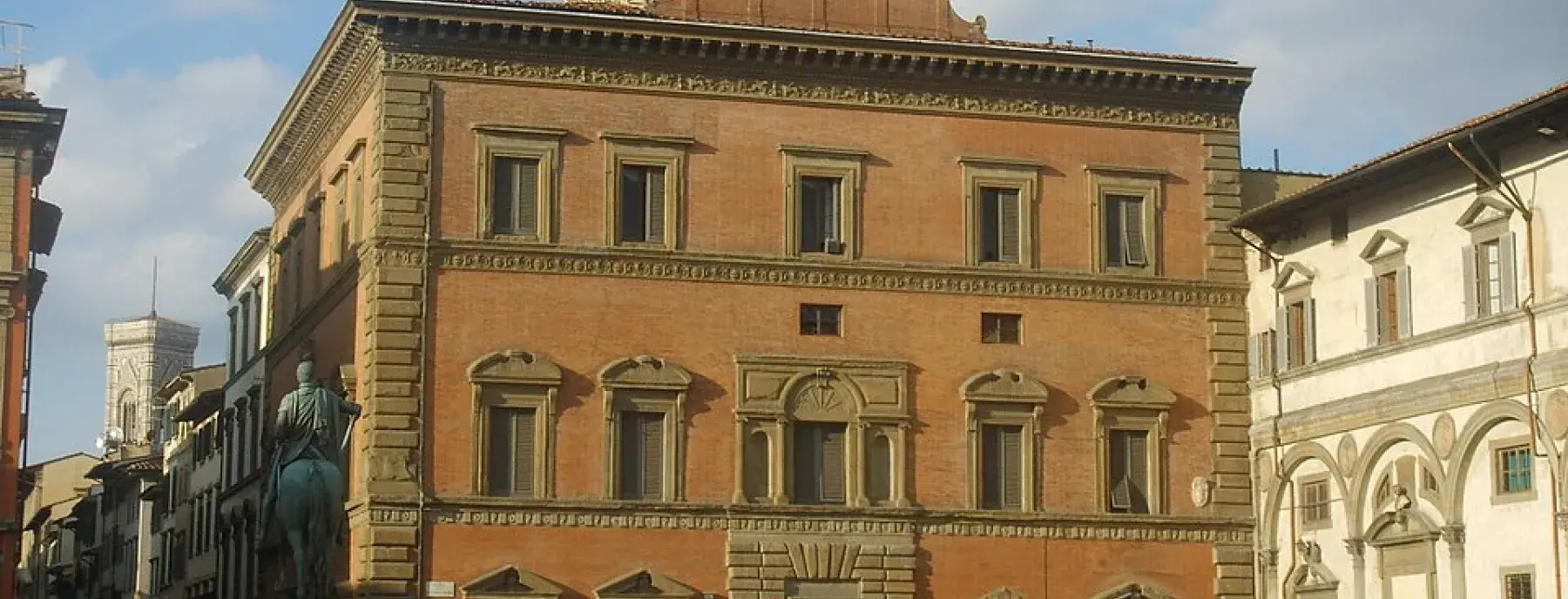
In Piazza Santissima Annunziata, one window on Palazzo Budini Gattai has been open for centuries. The legend: a noblewoman watched her husband leave for war from that window. He never came back. She waited there until she died. The family, haunted by her story — or perhaps afraid of her ghost — vowed never to shut it again. Locals still respect that vow. The window stays open.
Michelangelo's Hidden Face


On the outside wall of Palazzo Vecchio, scratched roughly into the stone, there's a profile portrait said to have been made by Michelangelo himself — casually, spontaneously, with no commission and no signature. It's in plain sight, visible to anyone who looks. Most people walk straight past it. Which means that for centuries, one of the most famous artists who ever lived left a mark on this city that almost no one noticed.
The Façade That Took 500 Years
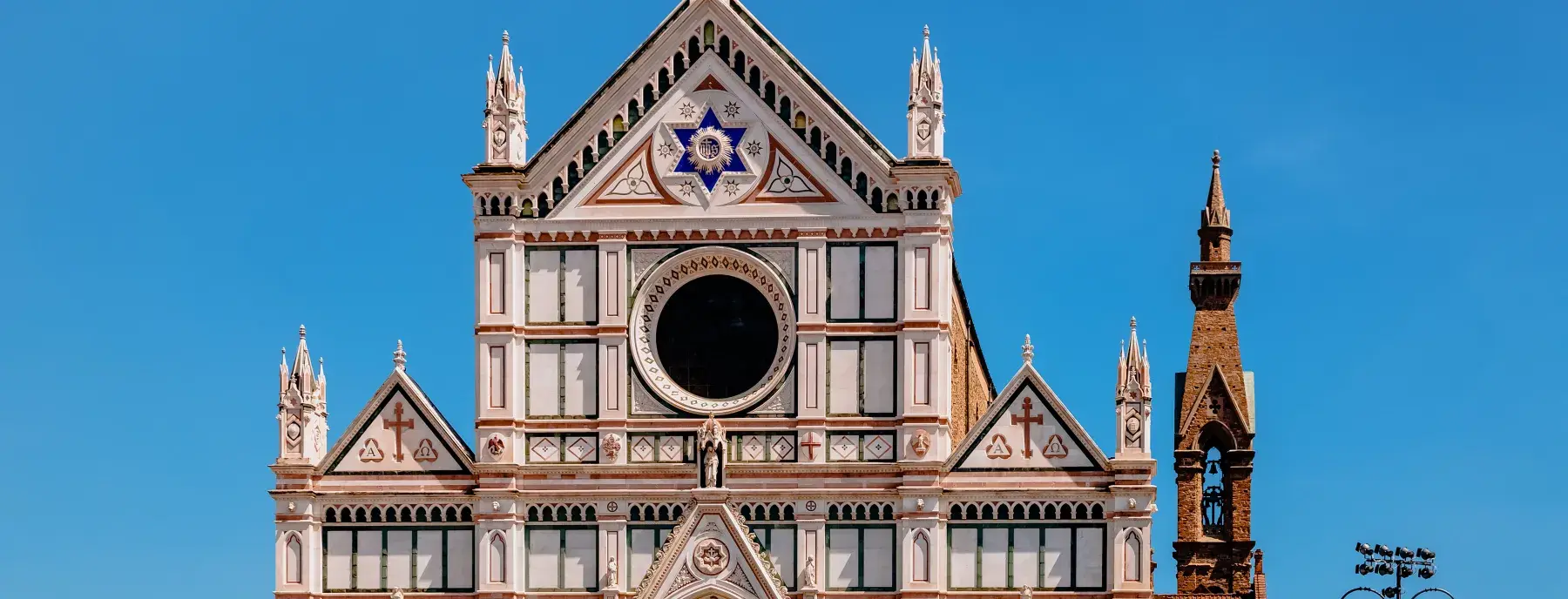
The beautiful neo-Gothic marble façade of Santa Croce wasn't built until 1863 — nearly five centuries after the church itself was completed. For most of its life, the most important Franciscan church in Florence stood with a plain, unfinished brick front. The current façade was funded by a wealthy Anglo-Jewish merchant as a gift to the city. Florence's most iconic façade is also its most unexpected footnote.
Florence rewards the curious. Look up, look down, look into the walls. The city is full of stories waiting to be found.
The Wine Windows — Buchette del Vino


Scattered across Florence's historic centre, small stone openings in palazzo walls were used during the Renaissance to sell wine directly from private cellars to the street — bypassing taxes and middlemen. Some were even used during plague outbreaks for contactless transactions. During the COVID-19 pandemic, several wine bars reopened theirs to serve takeaway wine through the tiny hatches. A 400-year-old tradition, briefly reborn.
The Corridor That Went Through a Church
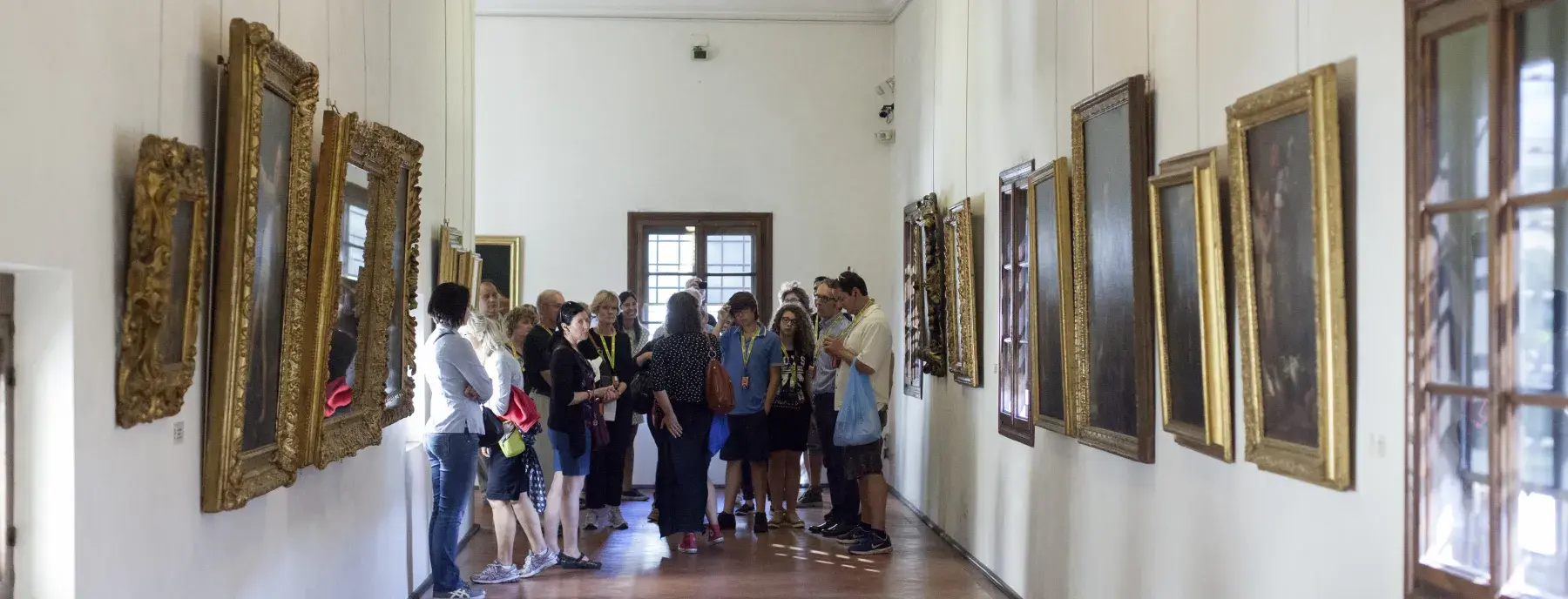
The Vasari Corridor — the elevated passageway connecting Palazzo Vecchio to Palazzo Pitti — was built so the Medici could move across the city without touching the streets. At one point, the corridor passes directly through the interior of a church. The Medici required the church's altar to be physically moved to make room. The church had no choice but to comply. Power, Florentine style.
In this article
Make it real
Explore our tours in Italy


