The Aperitivo Hour: How Italians Turn 6pm into the Best Part of the Day
It's not a drink. It's not dinner. It's the Italian art of the deliberate pause — and it has rules.
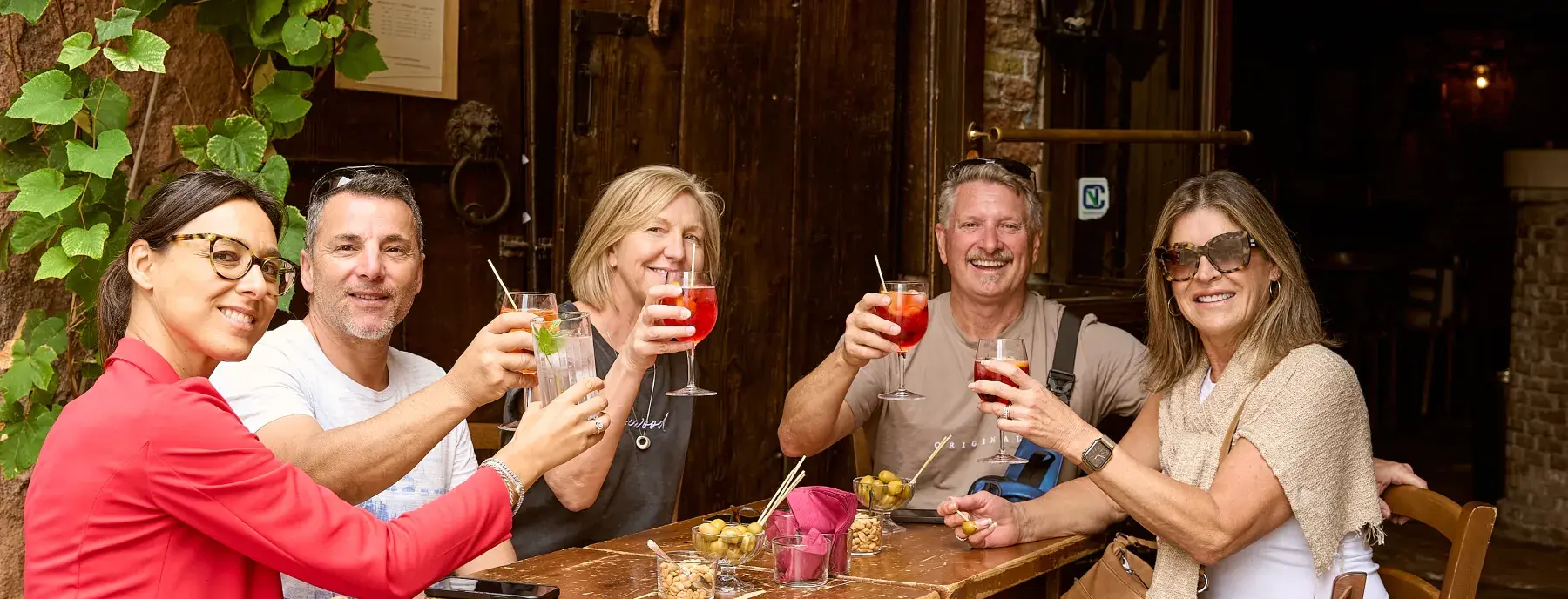
Somewhere between five and eight in the evening, something shifts in Italian cities. The work stops. The bars fill up. Plates of food appear on counters without anyone ordering them. The aperitivo hour is one of the most genuinely pleasurable rituals in Italian life — and one of the most misunderstood by visitors who arrive expecting something like happy hour. It isn't. It's something better, older, and considerably more deliberate. Here's what it actually is, where it came from, and how to do it properly.
What Aperitivo Actually Means
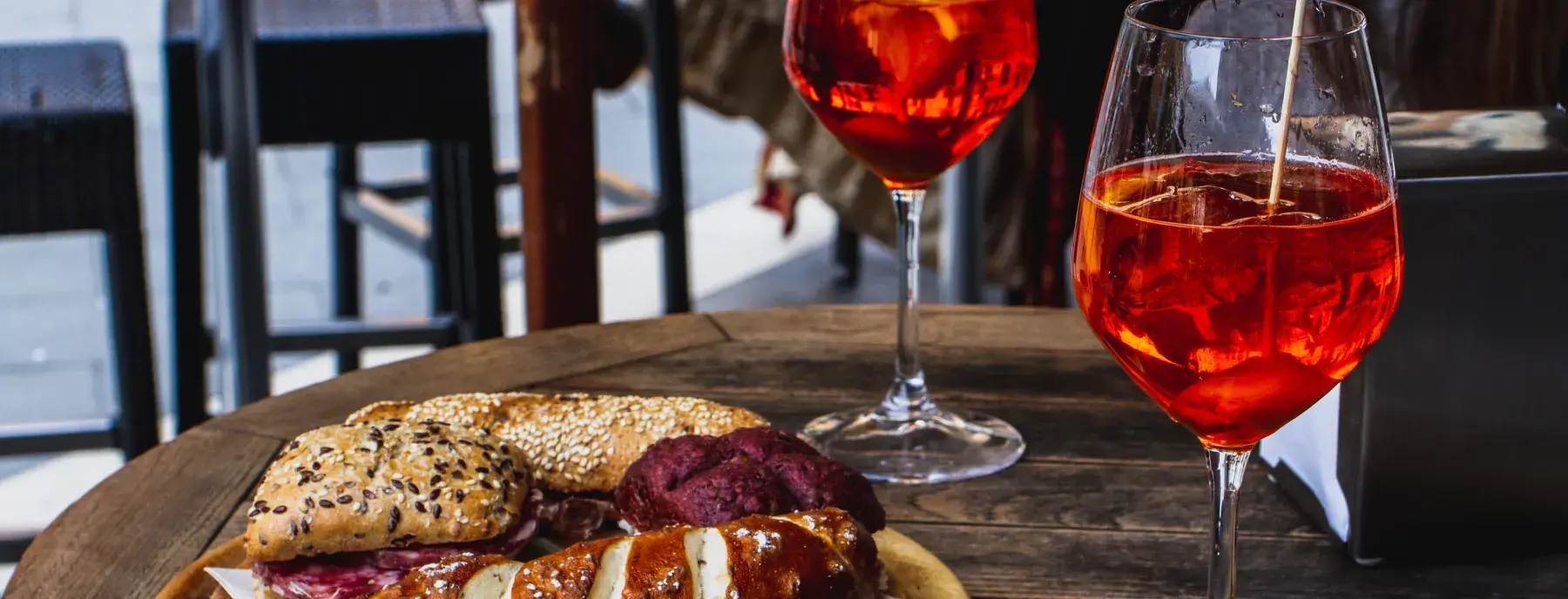
The word aperitivo comes from the Latin aperire — to open. The aperitivo is the opening of the evening: a drink taken before dinner to stimulate appetite and mark the transition between the working day and everything that follows. This is not metaphorical. Italians eat dinner late — between 8pm and 10pm in most of the country — and the aperitivo hour is a structural part of the evening, not an optional extra inserted between the working day and a meal.
The ritual has two distinct components: the drink and the food. The drink is always something bitter, aromatic, and lower in alcohol than wine. The food appears automatically with your drink at most Italian bars — a spread of small bites that varies by city, by neighbourhood, and by season, but always serves the same purpose: to slow you down, give you something to do with your hands, and make the conversation easier.
Where It Was Born (and Why Milan Still Does It Best)


The modern aperitivo as a social ritual has its origins in 19th-century Turin, where vermouth — a fortified wine infused with botanicals — was first served as a pre-dinner drink in the city's grand cafés. Gabriele de Peverelli is often credited with popularising the practice around 1786, serving vermouth as a distinct pre-meal drink rather than a cooking ingredient. From Turin, the practice spread south and west.
Milan absorbed it, adapted it, and turned it into an institution. In Milan's Navigli and Isola districts, the aperitivo hour is at its most generous: many bars include a substantial food spread with every drink order — warm dishes, cured meats, cheeses, bruschette, sometimes rice or pasta. One glass of Campari effectively buys you a light dinner. This is why Milanese evenings have a reputation for beginning at 7pm and ending considerably later than anyone planned.
What to Drink: The Classic Aperitivo Cocktails
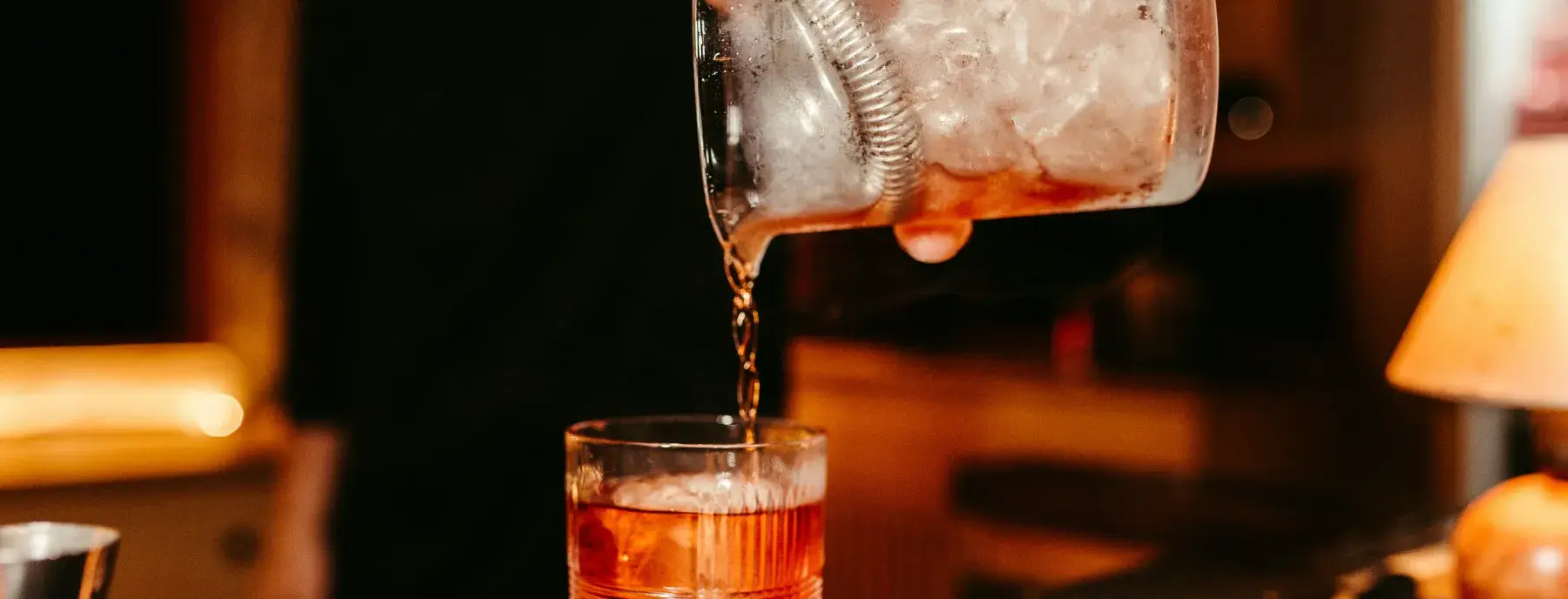
The Aperol Spritz is the most widely consumed aperitivo cocktail in Italy today — three parts Prosecco, two parts Aperol, one part soda water, served over ice with a slice of orange. Aperol is mildly bitter, low in alcohol (11%), and an accessible entry point for visitors unfamiliar with Italian bitters. The Campari Spritz follows the same formula with Campari in place of Aperol — darker, more bitter, and the original version of the two.
Beyond the Spritz: a Negroni (equal parts gin, Campari, and sweet vermouth) is the aperitivo cocktail for those who want something stronger and more complex. An Americano — the lighter, earlier version of the same family, with soda water in place of gin — is ideal for a long evening. Prosecco or Franciacorta (the Lombardy answer to Champagne) alone is always appropriate. What you won't find at a proper Italian aperitivo: beer, whisky, or anything else that doesn't open the palate. These drinks belong to other contexts.
The Food That Comes With It
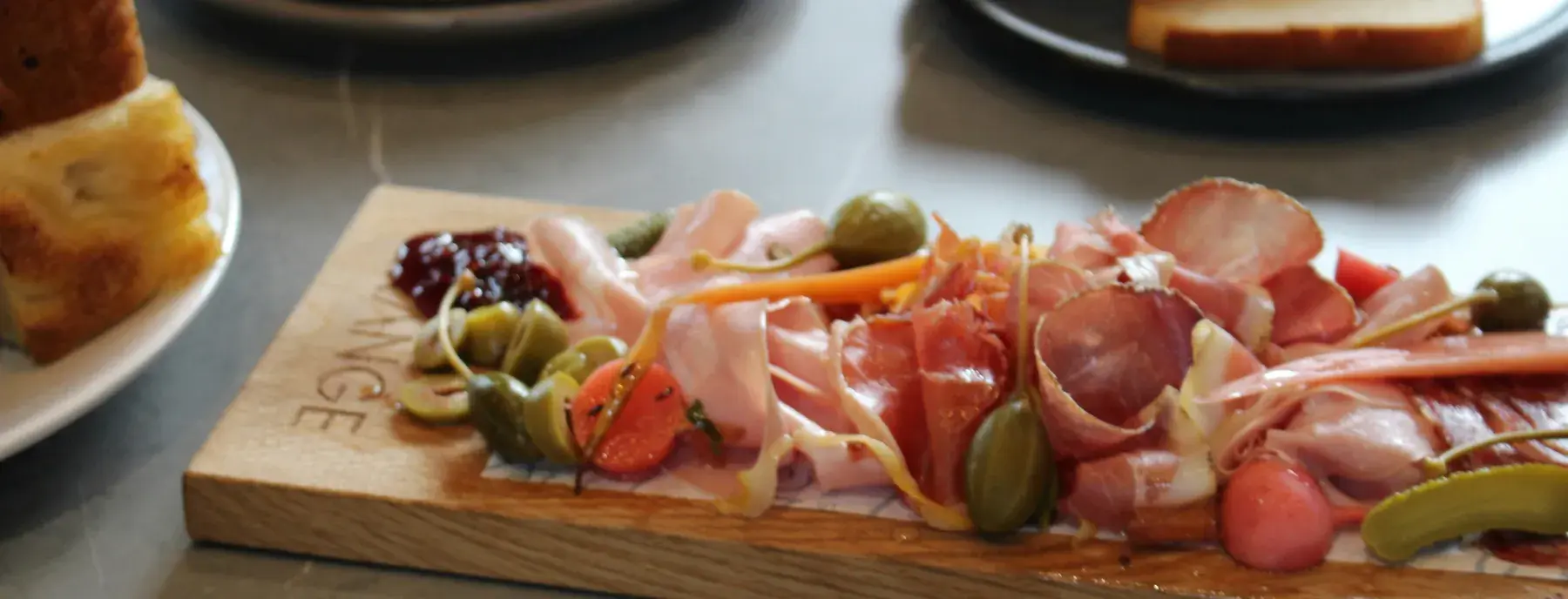
The spread varies significantly by city and by the ambition of the bar. In Milan: warm dishes, stuffed focaccia, rice arancini, cured meats, bruschette, and sometimes pasta. In Venice: cicchetti — small morsels of bread topped with salt cod (baccalà mantecato), artichoke, prosciutto, or whatever the bar has made that morning, eaten standing up at the counter. In Florence: crostini toscani, small plates of salumi, sometimes a warm dish or two.
The common thread is that the food is not optional and not an afterthought. It is part of the ritual. A bar that serves only crisps or peanuts with a drink is not participating in aperitivo culture; it is serving alcohol with snacks. Italians know the difference — they know exactly which bars in their neighbourhood make the effort and which do not. Asking a local is always the right strategy.
How to Do Aperitivo Like an Italian

Order one drink. Sit down if seats are available, stand at the bar if not — both are entirely acceptable. Take the food that's offered and don't rush it. Talk. Do not check your phone more than once. Order a second drink only if the conversation genuinely calls for it, not out of obligation. Leave before 9pm, because dinner is next and you want to arrive at the table with appetite.
The Italian genius of aperitivo is in the sequencing. It is not a substitute for dinner; it is a prologue to it. The bitterness of the drink slightly reduces appetite, the food begins to satisfy it, and by 8.30pm you are ready to sit down for a proper meal in exactly the right state of mind. The whole system is calibrated to make Italian evenings last longer, move more slowly, and involve more people. In Venice, the gondola and aperitivo experience captures this spirit on the water — a Venetian evening in its most characteristic form. Link: townsofitaly.com/en/venice.
Aperitivo in Florence and Rome: What Changes by City
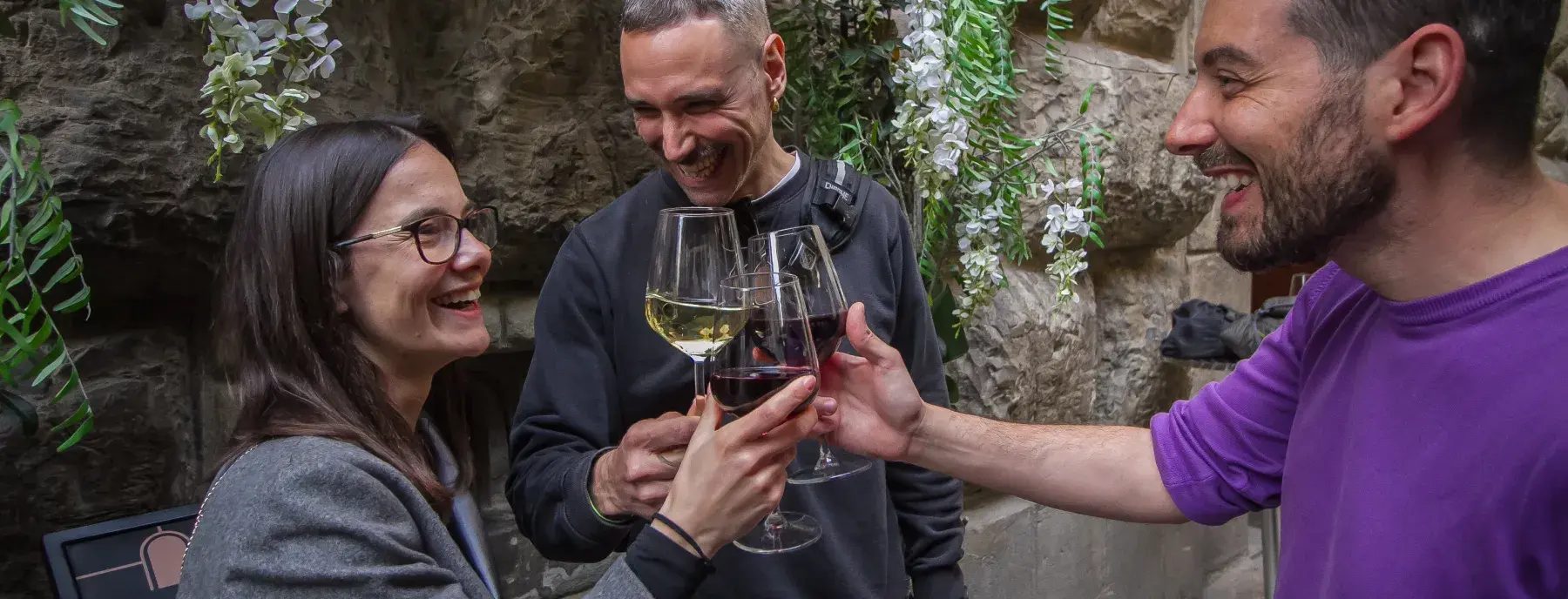
Florence has a strong aperitivo culture centred on the Oltrarno neighbourhood and the enoteca bars of the city centre. The food tends toward crostini with traditional Tuscan toppings — chicken liver, tomato, truffle paste — and the wine list is taken seriously. A glass of Chianti Classico or Vernaccia di San Gimignano is as appropriate here as a Spritz, and frequently better.
Rome's aperitivo tradition is lighter and less food-heavy than Milan's, but the early-evening drink ritual is equally embedded in daily life. The Pigneto neighbourhood has a strong aperitivo scene with bars competing on their food spreads. Prati, near the Vatican, offers elegant bars with outdoor seating. For an evening that combines aperitivo culture with live performance and a full dinner, our Live Italian Opera and Cooking Dinner Show in Rome — at townsofitaly.com/en/rome/rome-opera-dinner-cooking-show — is exactly the kind of Roman evening that stays with you.
Aperitivo is not about the drink. It's about the pause — the deliberate, unhurried Italian decision to stop the day before the evening begins. Do it once the right way and you'll spend the rest of your trip building your schedule around it.


