What Are the Best Places to Visit in Italy for Your Type of Trip?
Italy isn't one destination — it's dozens. The best places to visit depend entirely on who you are and what you're looking for. Here's your guide by Towns of Italy Experience Makers.

Introduction
Italy isn’t one destination — it’s dozens. A country of 20 distinct regions, each with its own language, cuisine, landscape, and character. The Italy you experience in Venice is almost nothing like the Italy of Palermo. The hills of Tuscany speak a completely different language from the volcanic coast of Sicily.
The best places to visit in Italy depend entirely on who you are and what you’re looking for. Here’s a guide to help you decide.
If This Is Your First Time in Italy


Start with the classics — and don’t feel guilty about it. Rome, Florence, and Venice form the core of Italy’s cultural heritage for good reason. Each city is genuinely extraordinary, and together they offer an introduction to Italian history, art, food, and atmosphere that no first-time visitor should miss.
Rome for ancient history, the Vatican, and the kind of street food that ruins all other street food forever. Florence for the Renaissance, the Uffizi, and the most beautiful skyline in Italy. Venice for the pure, surreal experience of a city built on water — because nothing quite prepares you for it.
A classic first-time itinerary of 10–12 days, moving between these three cities, remains one of the most rewarding travel experiences in the world.
If You Want Food and Wine
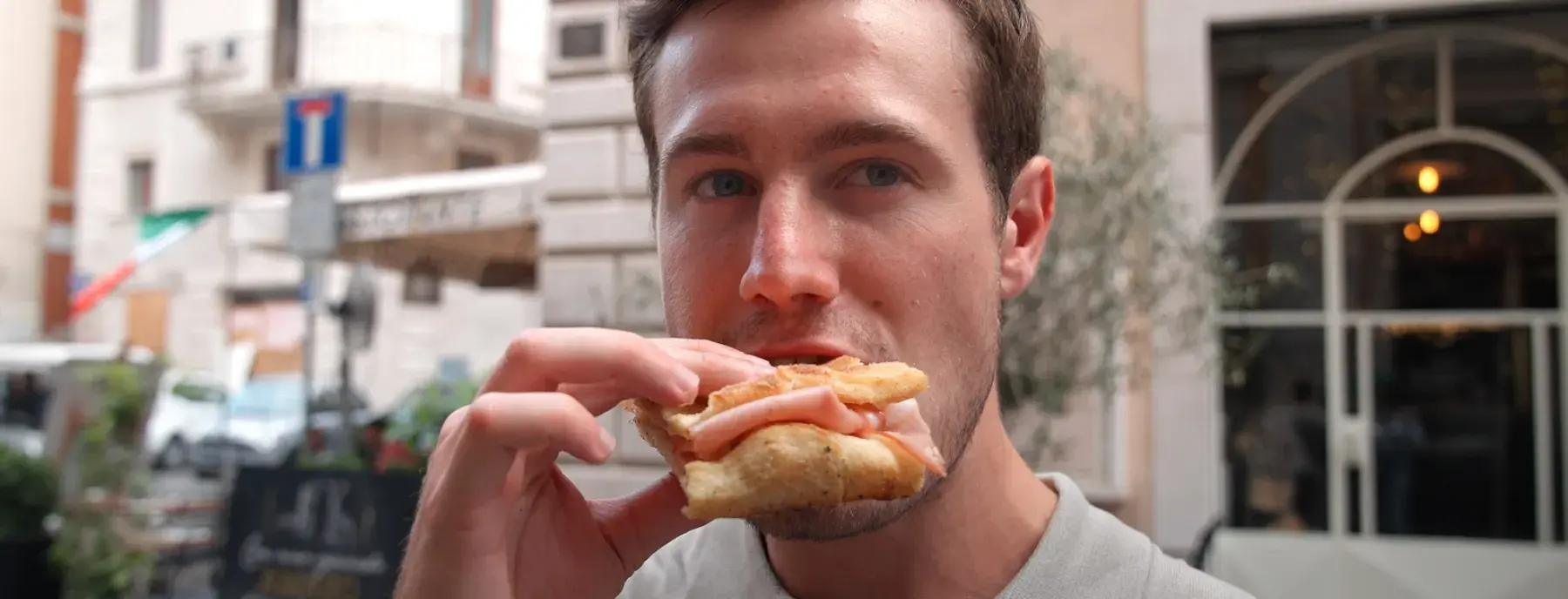
Obviously, the most honest answer would be: all of Italy. Every region has its own traditions, flavors, wines, and culinary identity — and food is such an essential part of Italian culture that you could build an unforgettable journey almost anywhere in the country.
That said, if we had to narrow the selection down to a few standout regions, Tuscany could be a starting point — and it truly lives up to the reputation. The wine country around Chianti, the truffles of San Miniato, the bistecca fiorentina, the olive oils and pecorinos of the Crete Senesi. Add a cooking class, a winery visit, and a market morning in Florence, and you have a trip built entirely around the pleasures of the table.
But don’t overlook Bologna and the wider Emilia-Romagna region — widely considered the gastronomic capital of Italy — home to Parmigiano Reggiano, prosciutto di Parma, traditional balsamic vinegar, and some of the richest pasta traditions in the country. Naples also deserves a place on the list: beyond being the birthplace of pizza, the city offers one of Italy’s most vibrant and authentic food scenes, from street food and seafood to pastries and local wines from the slopes of Mount Vesuvius.
And then there is Sicily, where Arab, Spanish, and Greek influences blend together to create one of the most distinctive and underrated food cultures in Europe, full of bold flavors, fresh seafood, exceptional wines, and unforgettable desserts.
If You Want Culture and History


Rome is the obvious starting point: the Colosseum, the Forum, the Pantheon, the Vatican Museums. But the deeper you go in Italy, the more history reveals itself. Pompeii, just outside Naples, is one of the most extraordinary archaeological sites on earth — a Roman city frozen in time. The Greek temples at Agrigento in Sicily predate anything in Rome. And the medieval hill towns of Umbria and Tuscany feel unchanged across the centuries.
If You Want to Get Off the Beaten Track


Basilicata — and especially Matera — offers a version of Italy that most visitors never reach: slower, more local, architecturally unique, and extraordinarily warm in its hospitality. Walking through the ancient Sassi di Matera feels like stepping into another era, with cave dwellings, stone alleys, and breathtaking views unlike anywhere else in the country.
But one of the true beauties of Italy is that every region hides its own small gems: medieval hill towns, seaside villages, countryside hamlets, and places where traditions still shape everyday life. Often, the most authentic experiences happen far from the big tourist routes.
You could explore smaller Sicilian cities like Trapani or Ragusa, discover islands such as Pantelleria or Salina, or venture into the wild interior of Calabria. These places offer a more genuine, slower-paced side of Italy — rich in local culture, food, landscapes, and human connection.
If You Want a Romantic Trip
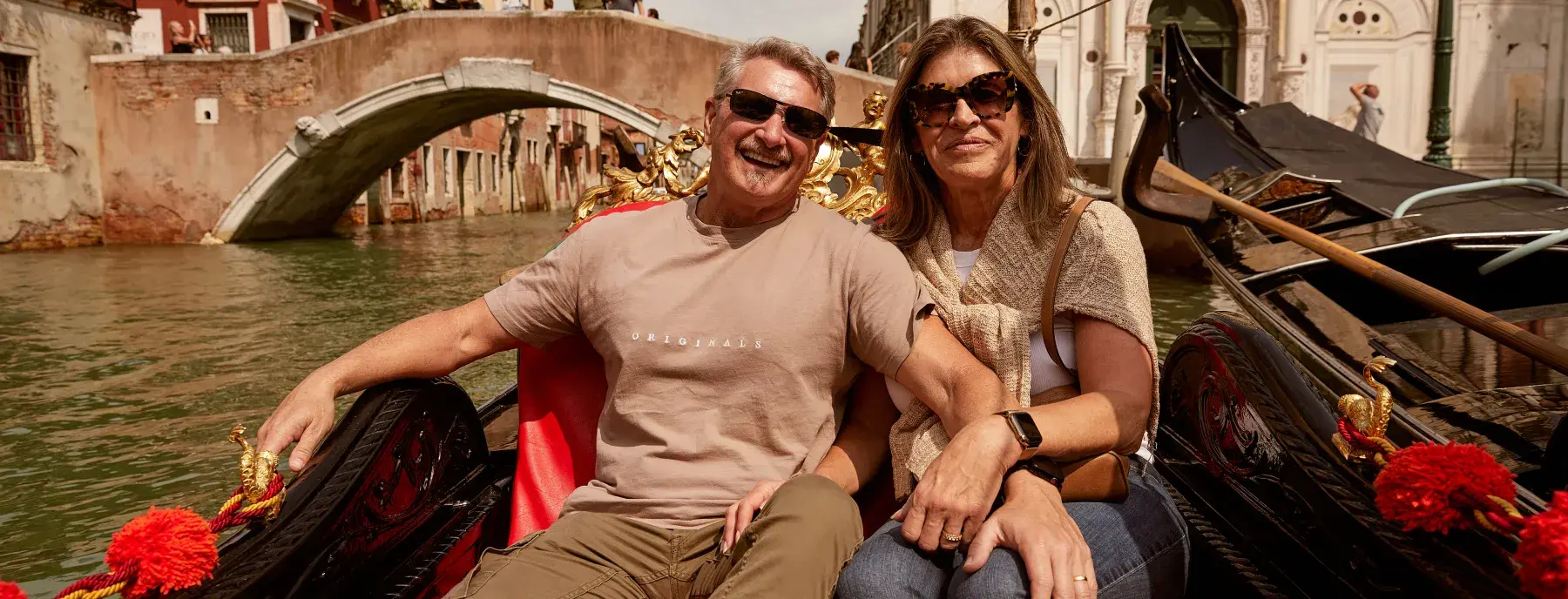
Italy is filled with places that seem made for romance — whether that means candlelit dinners, sunset views, quiet villages, or simply getting lost together in beautiful streets with nowhere particular to be.
The Amalfi Coast offers drama and beauty in equal measure, with cliffside towns, sea views, and unforgettable terraces overlooking the Mediterranean. Venice, for all its crowds, remains one of the most romantic cities on earth — especially in the off-season, when the mist rolls in from the lagoon and the city suddenly feels almost timeless and empty.
Capri adds another kind of romance: elegant but relaxed, with hidden coves, panoramic walks, charming piazzas, and evenings that seem to slow down with the sunset. And across Italy, from small Tuscan villages to lakeside towns and Sicilian islands, there are countless corners perfect for traveling slowly and savoring the moment together.
Practical Advice
Italy rewards slow travel. A single well-explored region will give you more than five cities rushed in ten days. If you have limited time, resist the temptation to see everything — choose one or two places and go deep.
However you decide to travel, the quality of the experience depends enormously on context: knowing what you’re looking at, understanding the stories behind the places, and connecting with the food, wine, and culture in a meaningful way. That’s where good local guidance makes all the difference.
In this article
Make it real
Explore our tours in Italy


