Private guided tour of Colosseum, Arena and Roman Forum
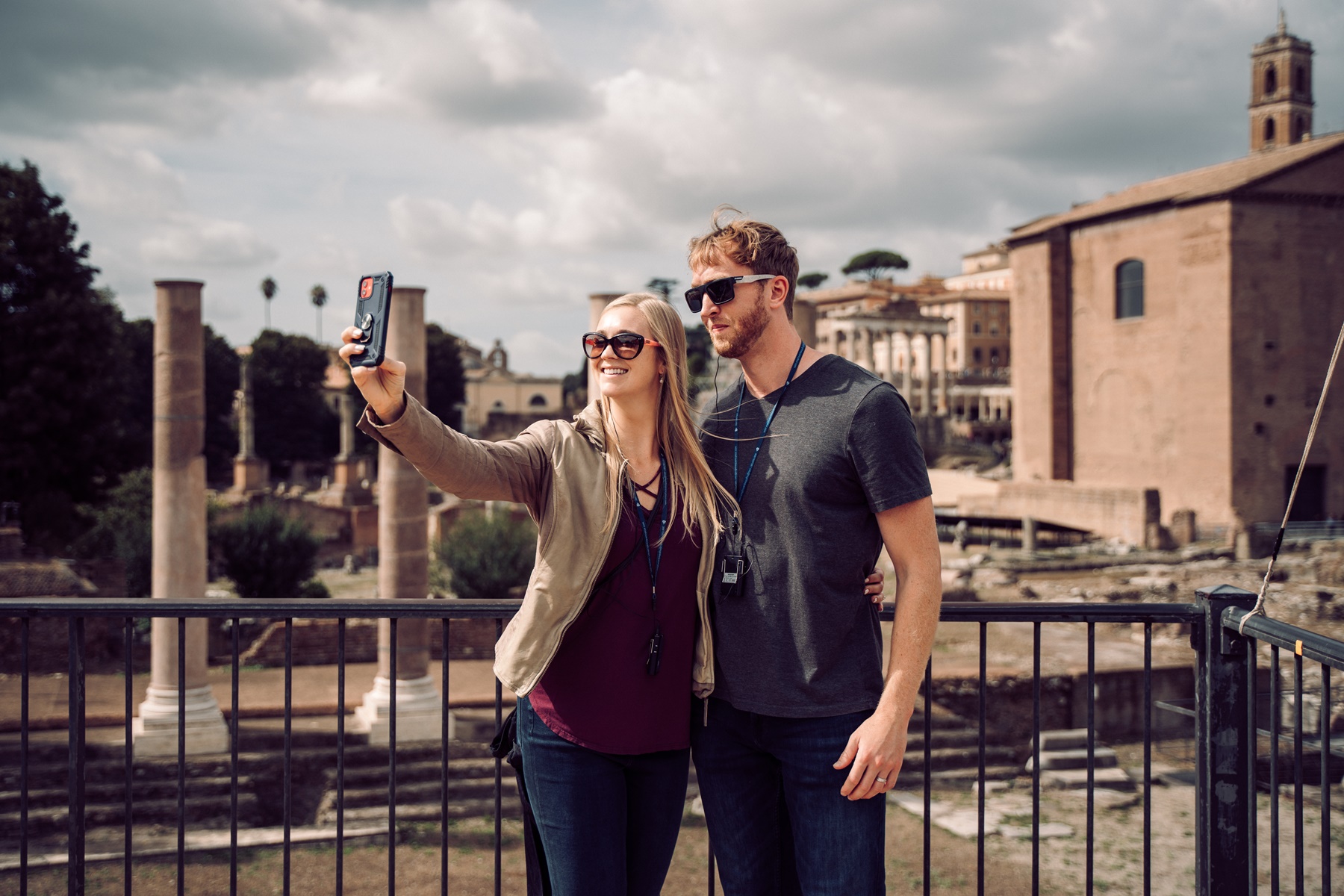
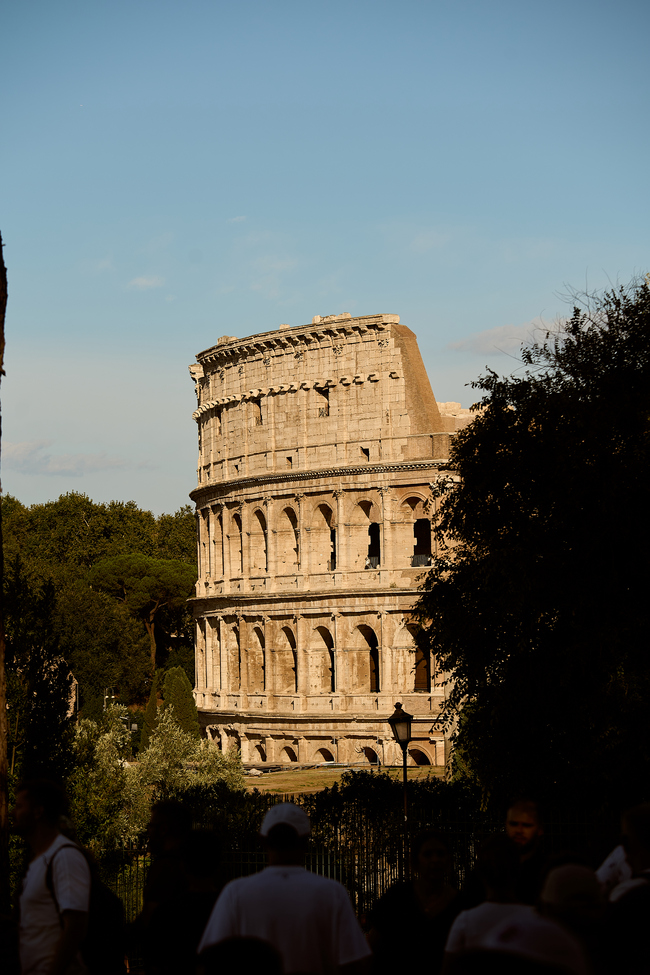
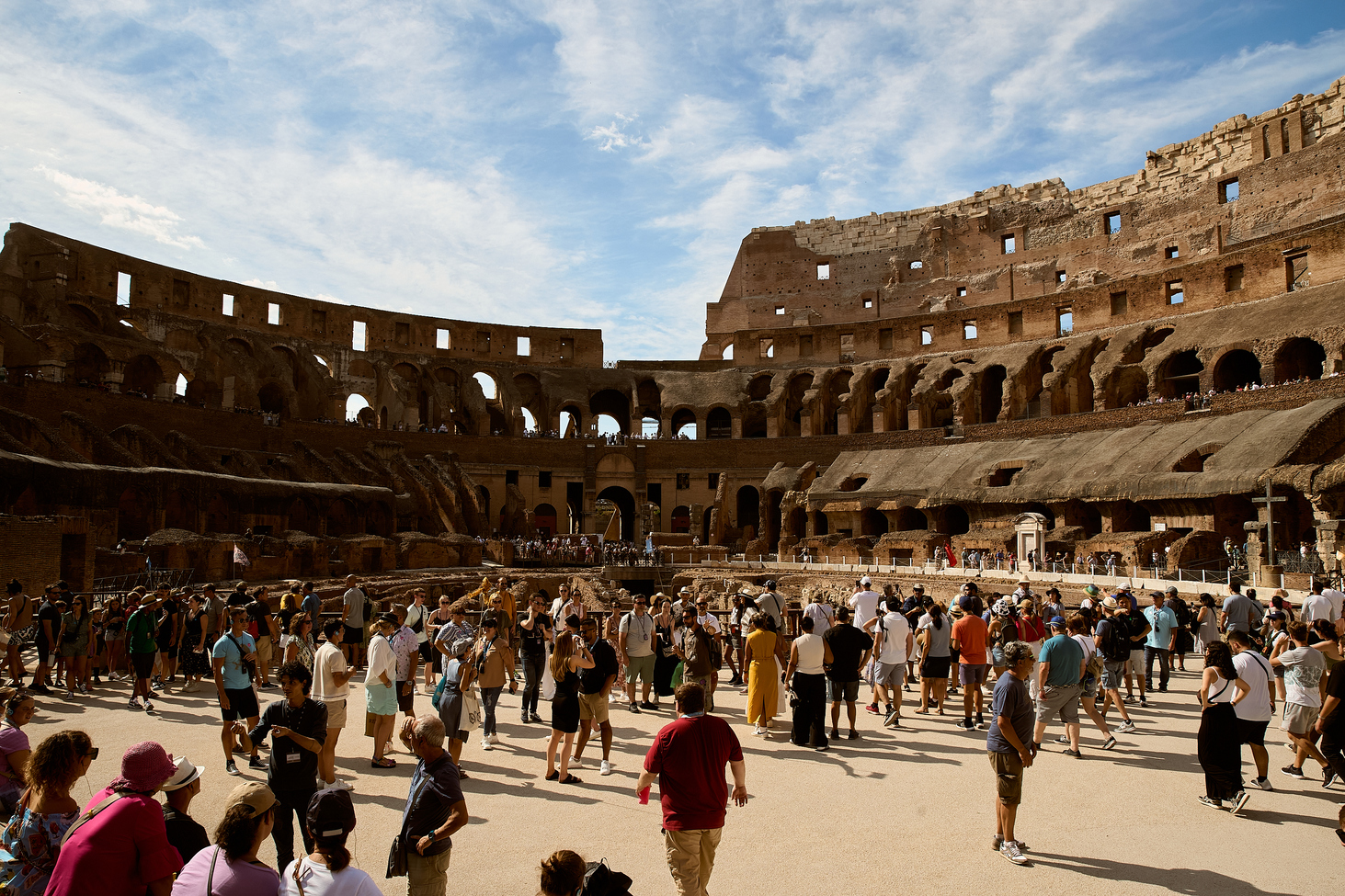
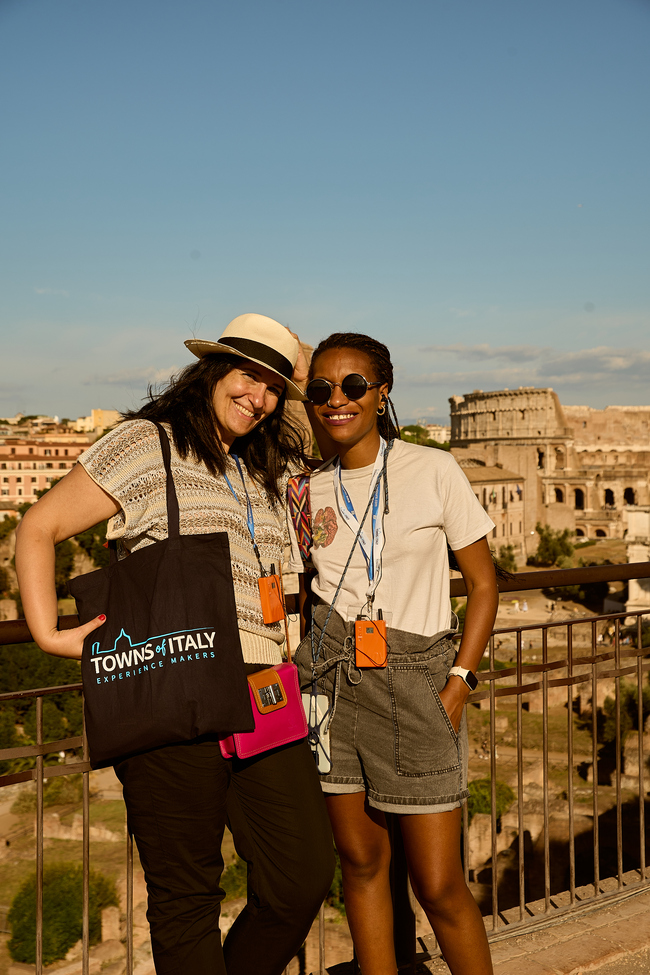
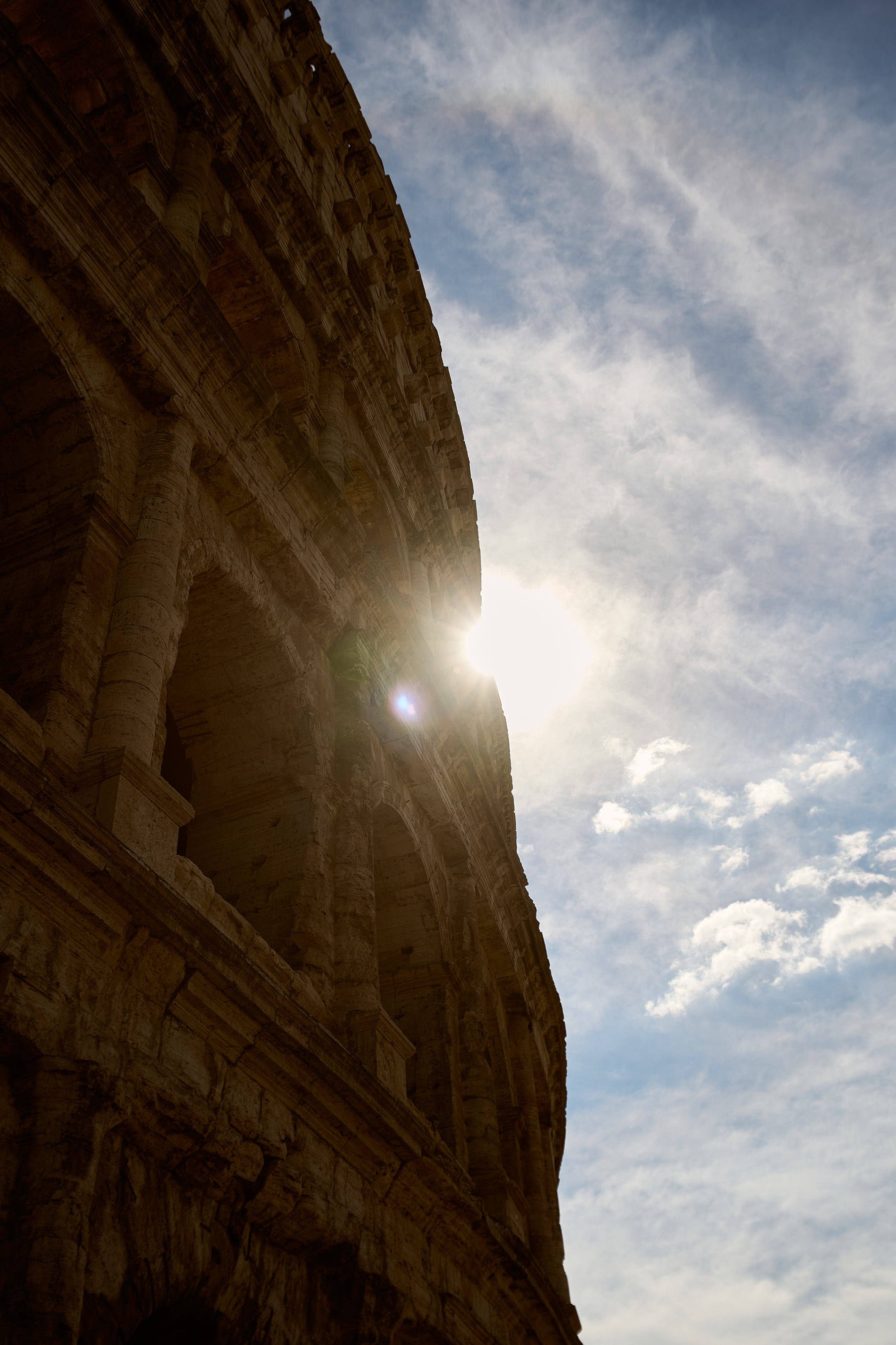
Immerse yourself in Ancient Rome by visiting two of the most important landmarks of the Holy Roman Empire, the Colosseum, Arena and the Roman Forum.
- Get an introduction to the History of the Colosseum as you explore the most photographed arena in the world
- Discover the legends of gladiators, and tales of slaves and wild animals
- Enjoy a walk into the Roman Forum with a private guide
- Climb up to the founding spot of Rome and enjoy spectacular views of the city
- Extra opportunity to visit the houses of Augustus and Nero
Meeting Point
The meeting point is at our TOURIST HUB & COOKING SCHOOL in Via Quattro Novembre 139, Rome.
What was the original name of the Colosseum and how did it get its current name?
The Colosseum's original name was the Flavian Amphitheatre (Amphitheatrum Flavium), named after the Flavian dynasty who built it. Construction began under Vespasian around 72 AD and was completed by his son Titus in 80 AD. The name "Colosseum" was not used until the medieval period, and most scholars believe it derives from the "Colossus of Nero" — a colossal bronze statue about 30 meters tall that stood nearby. The name had nothing to do with the building's size.
is the private Colosseum tour suitable for children, and what will they find most exciting?
The Colosseum is one of the most exciting sites in the world for children — a real arena where gladiators fought, wild animals roamed, and 50,000 Romans came to watch. The private format makes all the difference for families: your licensed guide can pitch the storytelling to the age of your children, focusing on the dramatic human stories (who were the gladiators? how did they train? could they become free?) rather than dates and dynasties. Kids are particularly thrilled by the underground hypogeum — the network of tunnels beneath the arena floor where gladiators waited and animals were kept in cages before being hoisted up by elevators into the light. Walking the actual arena floor where these events took place is something children remember for life.
What is the Palatine Hill and what is the legend of Romulus founding Rome there?
The Palatine Hill is the centermost of Rome's seven hills and, according to Roman tradition, the site where Romulus founded the city in 753 BC. Legend tells that Romulus and twin brother Remus were suckled by a she-wolf on this hill after being abandoned as infants. The hill later became the exclusive residential quarter of Rome's emperors — and the word "Palatine" is the origin of the English word "palace."
Were gladiatorial fights at the Colosseum always to the death?
Contrary to popular belief, gladiatorial fights were not always to the death — killing a trained gladiator was economically wasteful, as gladiators were expensive to train and maintain. A defeated gladiator could appeal for mercy (missio), and the crowd or sponsor would decide the outcome. The Colosseum also hosted staged wild animal hunts (venationes), public executions, and occasionally mock naval battles (naumachiae) when the arena floor was flooded.
What is the cancellation policy?
For groups of 1 to 8 people, a full cancellation fee applies if you cancel within 7 days of your tour date or in case of no-show. For groups of 9 or more, availability and cancellation terms are available on request.


Starting from
price per person
based on a group of 4