Private walking tour of Rome through the ages
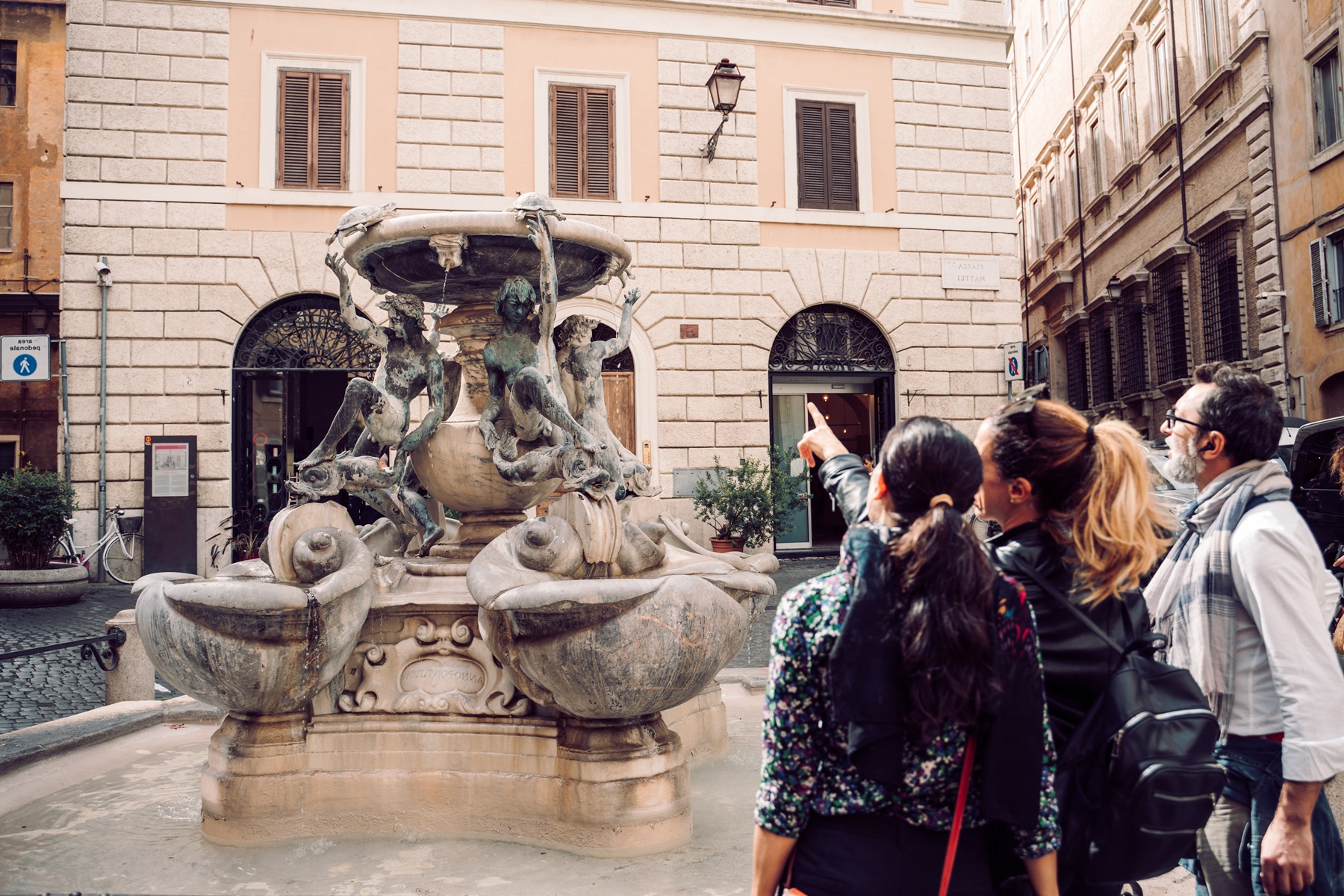
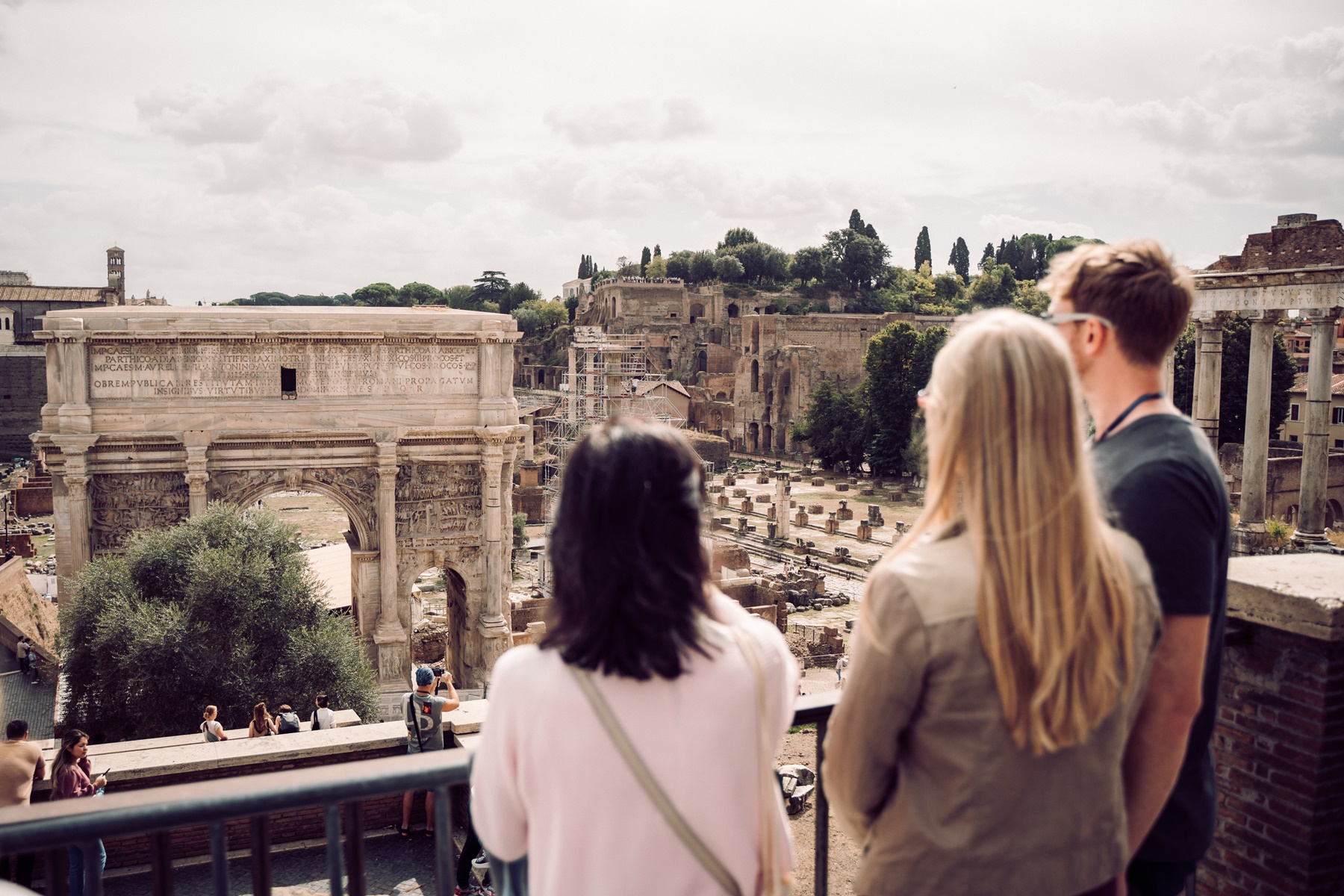
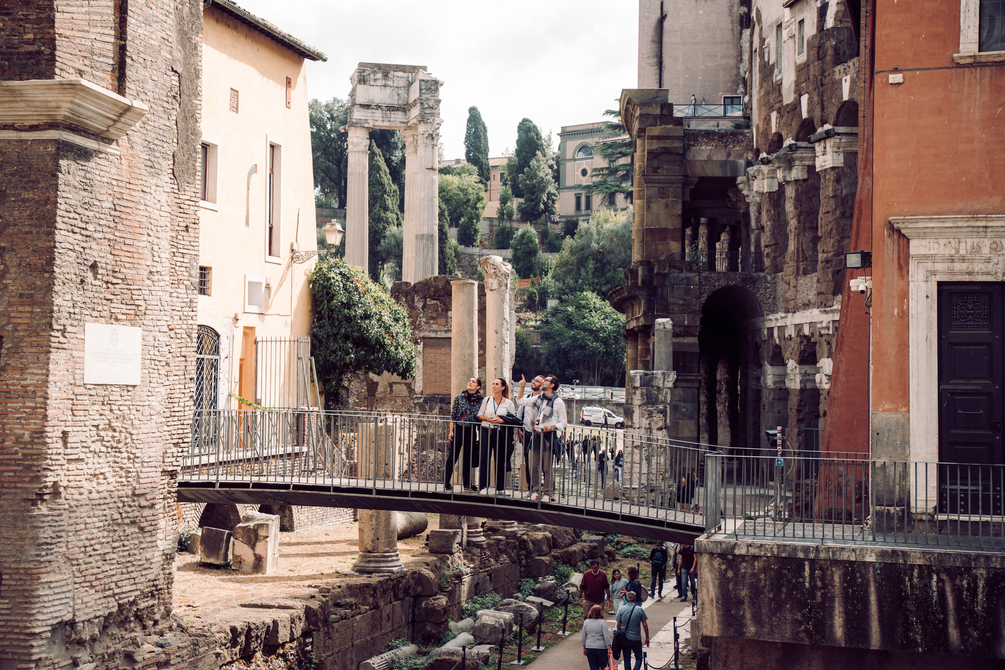
There are so many attractions dotting the Italian capital that it can be difficult to get your bearings and know where to start. This private tour of Rome, though, will introduce you to the city's iconic and historical sites, including the Colosseum, Piazza di Spagna and Trevi Fountain, as well as some real gems hidden in its enchanting alleyways!
- Stroll through the unforgettable streets of Rome's historic center
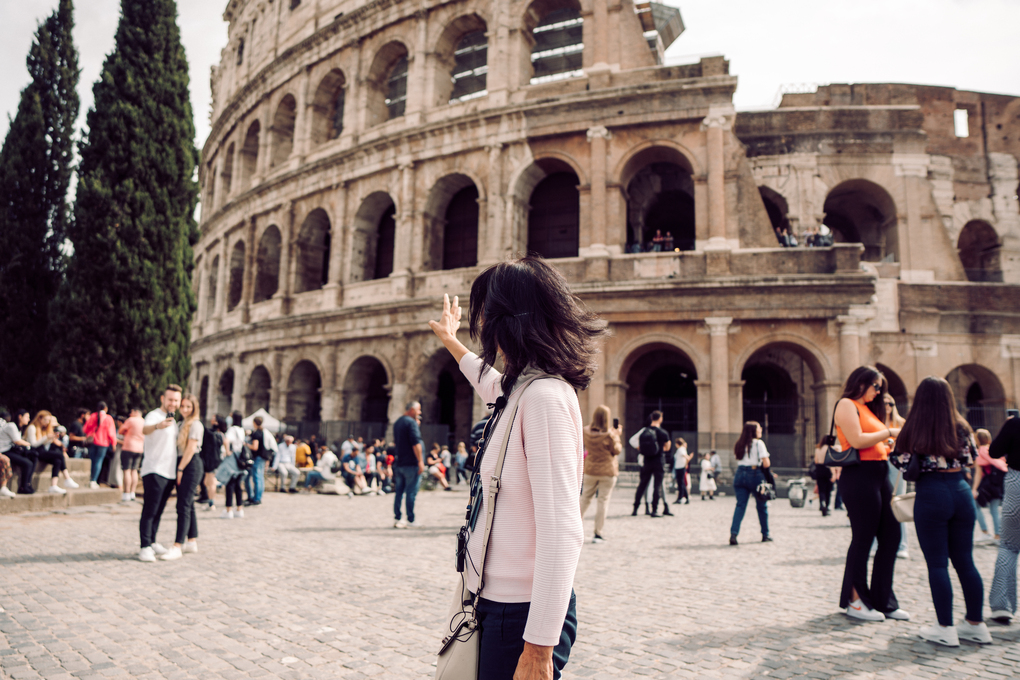
- Admire one of the most famous monuments in the world: the Colosseum
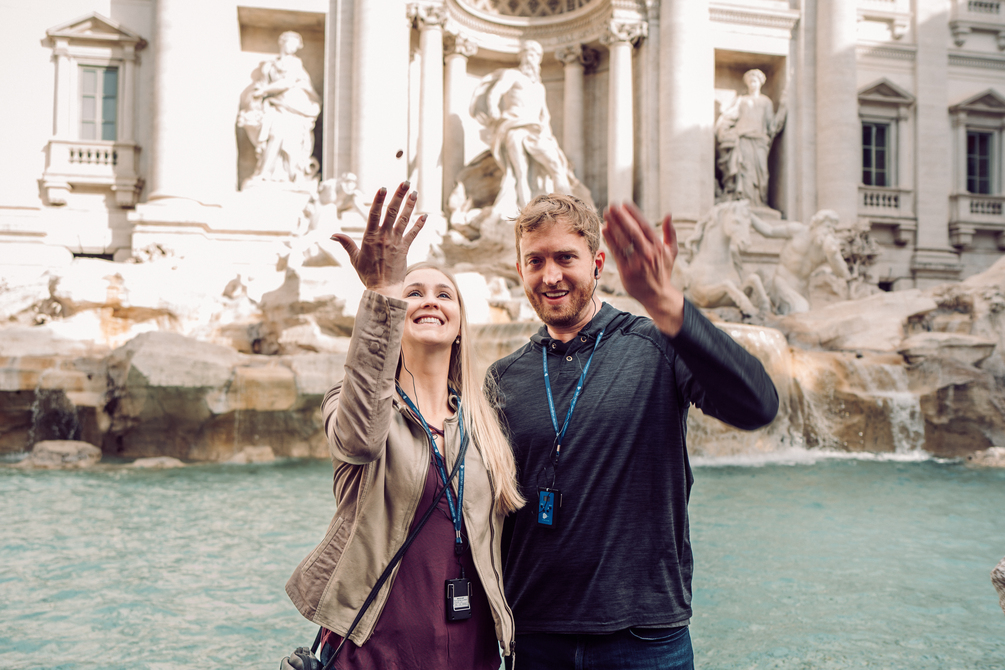
- Enjoy the lively atmosphere of Piazza di Spagna and throw a coin into the Trevi Fountain
- Reach the Pantheon, the building that dictated the rules of modern architecture
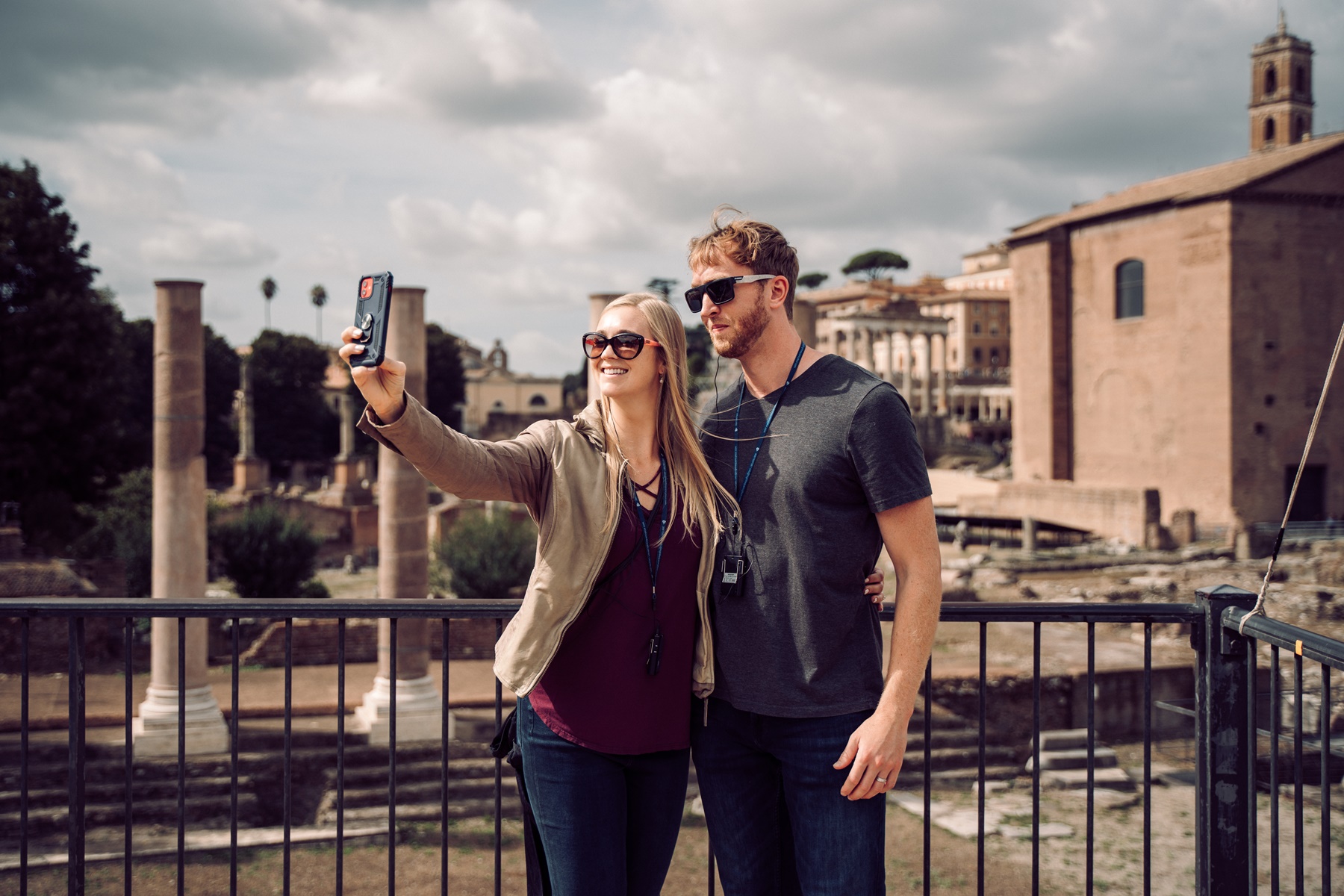
- Take a walk along the Roman Forum, one of the highlights of this walking tour of Rome
Meeting Point
Meet our tour leader in Piazza di Spagna - Spanish steps - in front of "Babington's tea room".
What are the advantages of visiting central Rome with a private guide compared to exploring on your own?
Rome's historic center looks deceptively simple on a map but is one of the most layered cities on earth — every street corner hides a story that an unaccompanied visitor will almost certainly miss. A licensed art history guide changes the experience entirely: they know which seemingly ordinary church contains a Caravaggio that stops people in their tracks, which fountain has a forgotten origin story, and how to read a building's facade to understand five different centuries of Roman history layered on top of each other. The private format also means no waiting, no group pace to follow, and the freedom to spend more time wherever you are most curious — whether that's the Caravaggio canvases in San Luigi dei Francesi or the cats living among the ruins of Caesar's assassination site.
What is considered the geographical and historical center of Rome?
The symbolic heart of ancient Rome was the Umbilicus Urbis Romae — the "Navel of the City" — a small monument in the Roman Forum from which all distances in the Roman Empire were measured. But if you ask Romans today, the true center of the city is the area between the Pantheon, Piazza Navona, and Campo dei Fiori: a compact triangle of medieval streets, Baroque fountains, and Renaissance palaces that has been the living core of Rome for centuries. This is precisely the area this private walking tour explores — not the monumental Rome of the Colosseum, but the intimate, layered city where aristocrats, artists, and pilgrims have walked for 2,000 years.
What are the three Caravaggio paintings in San Luigi dei Francesi and why are they revolutionary?
The Church of San Luigi dei Francesi contains the "St. Matthew Cycle": "The Calling of Saint Matthew," "Saint Matthew and the Angel," and "The Martyrdom of Saint Matthew" (1599-1602). These works are landmarks of Western art because Caravaggio introduced tenebrism — extreme contrasts of light and shadow — combined with unprecedented realism that depicted sacred figures as ordinary working-class people. "The Calling of Saint Matthew," with its single shaft of light cutting through a darkened room, is one of the most analyzed paintings in art history.
What is Piazza Navona and why does it have an oval shape?
Piazza Navona's distinctive elongated oval shape comes from its origin as the ancient Stadium of Domitian, an athletic arena built in 86 AD for Greek-style games (agon in Greek, from which "Navona" derives via "in agone"). The stadium held 30,000 spectators; when it fell into disuse, buildings gradually filled in around its perimeter, preserving the shape. Today the piazza is dominated by Bernini's magnificent Fountain of the Four Rivers (1651), with allegorical gods representing the Nile, Ganges, Danube, and Río de la Plata.
Why do people throw coins into the Trevi Fountain, and where does the money go?
Throwing a coin into the Trevi Fountain is said to ensure a return to Rome — toss with your right hand over your left shoulder. A second coin brings romance, a third a marriage. The tradition was popularized by the 1954 film "Three Coins in the Fountain" and immortalized by Fellini's "La Dolce Vita" (1960). Today approximately €1 million is collected annually from the fountain, and the proceeds are donated to a charity providing food for Rome's poor.
What is the cancellation policy?
For groups of 1 to 8 people, a full cancellation fee applies if you cancel within 7 days of your tour date or in case of no-show. For groups of 9 or more, availability and cancellation terms are available on request.


Starting from
price per person
based on a group of 4