Private walking tour of Florence and guided tour of Accademia Gallery
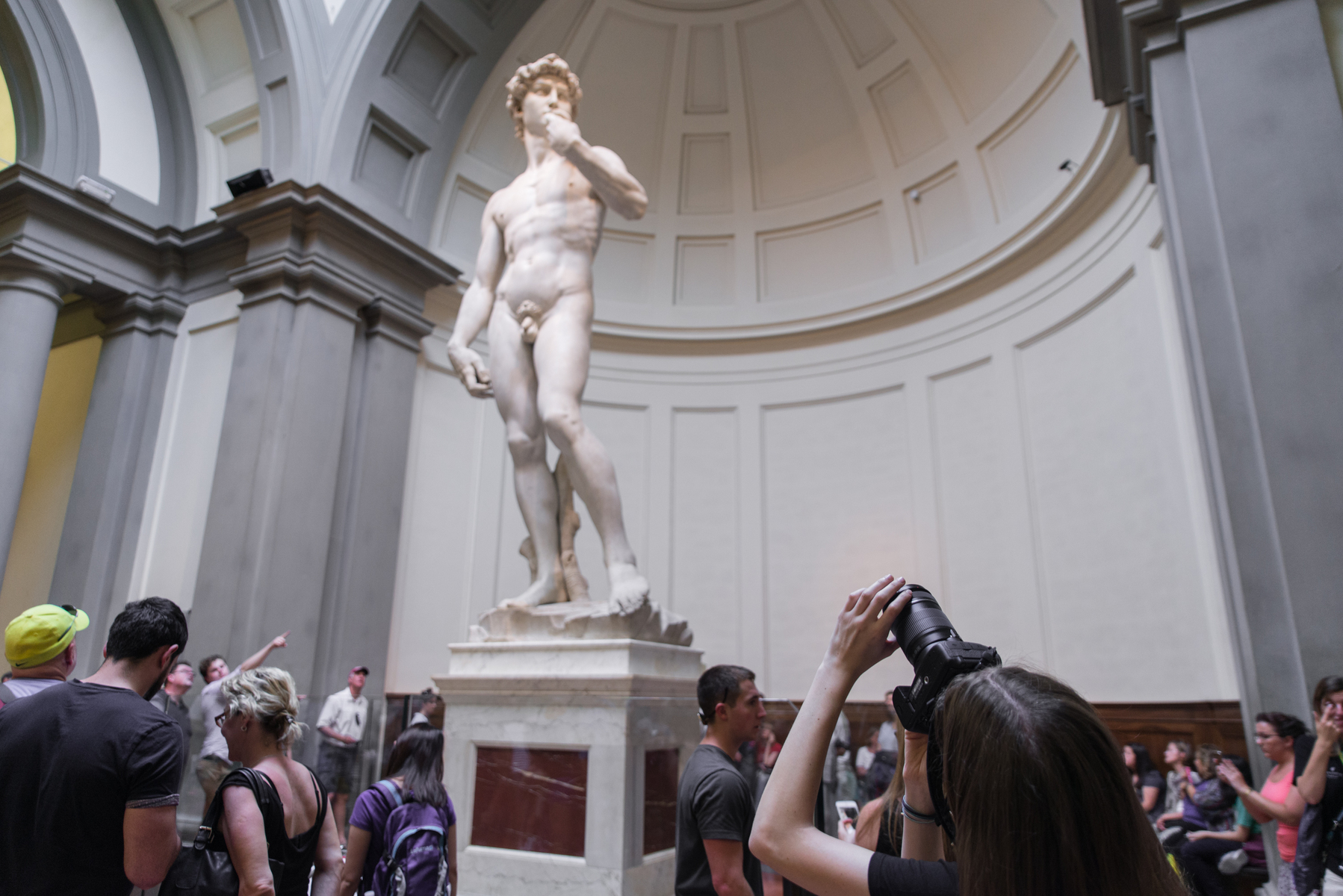
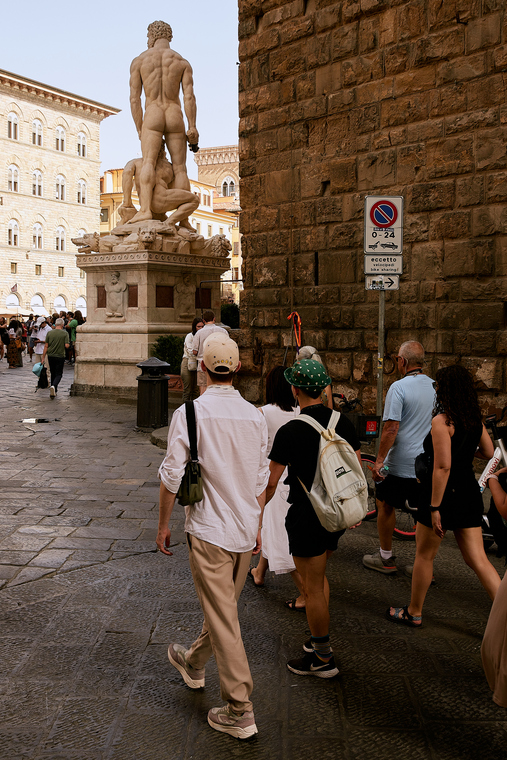
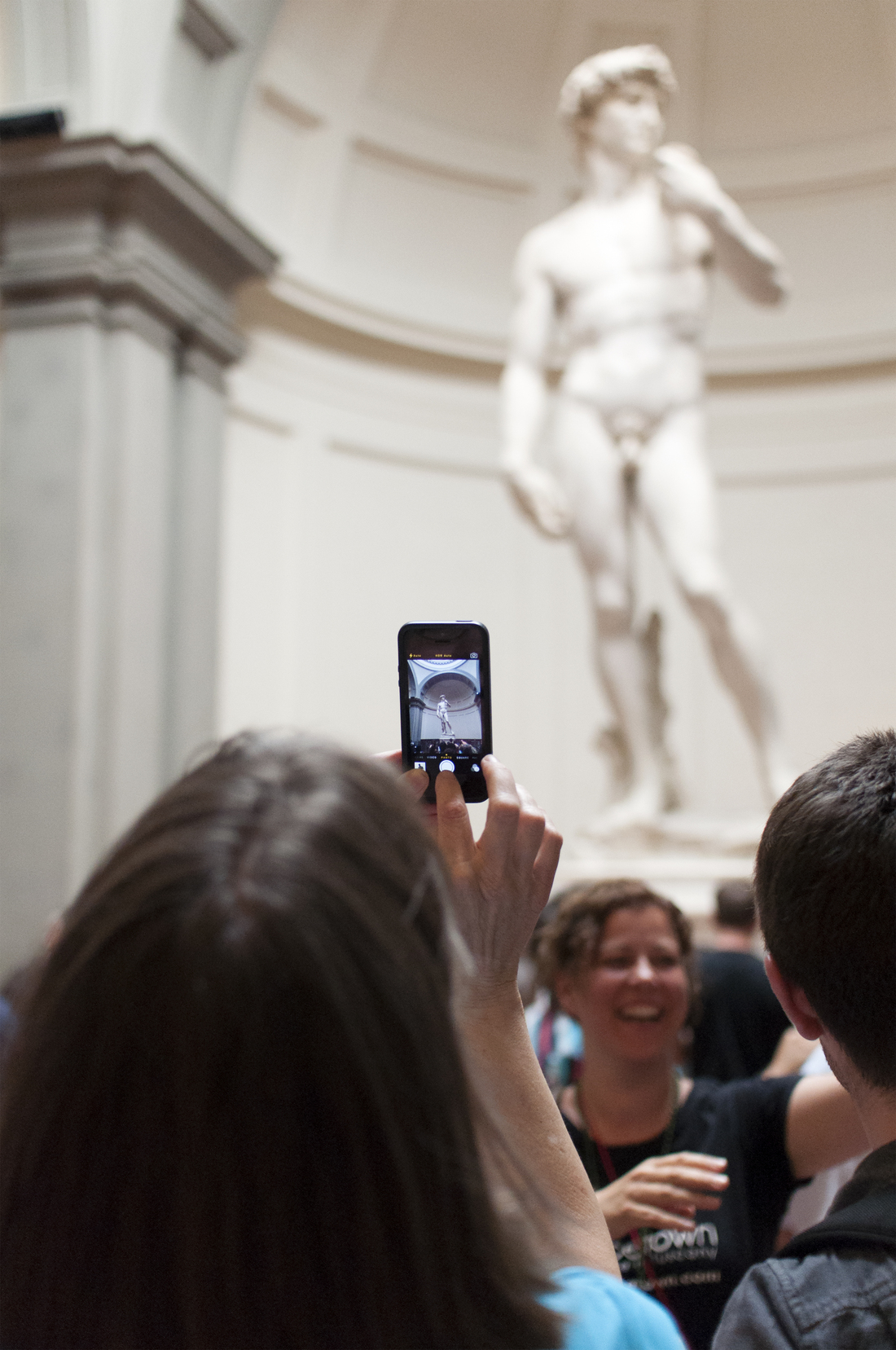
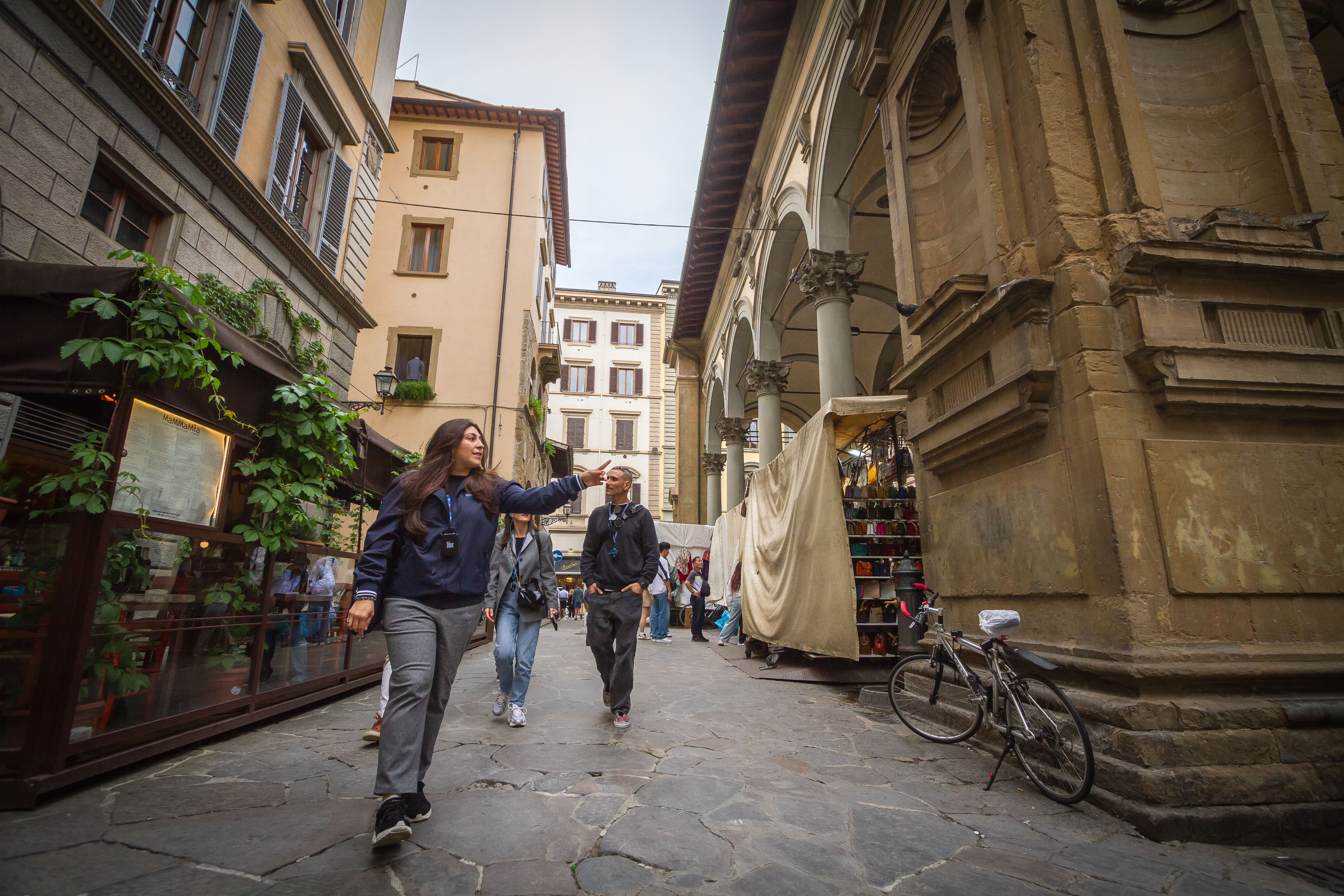
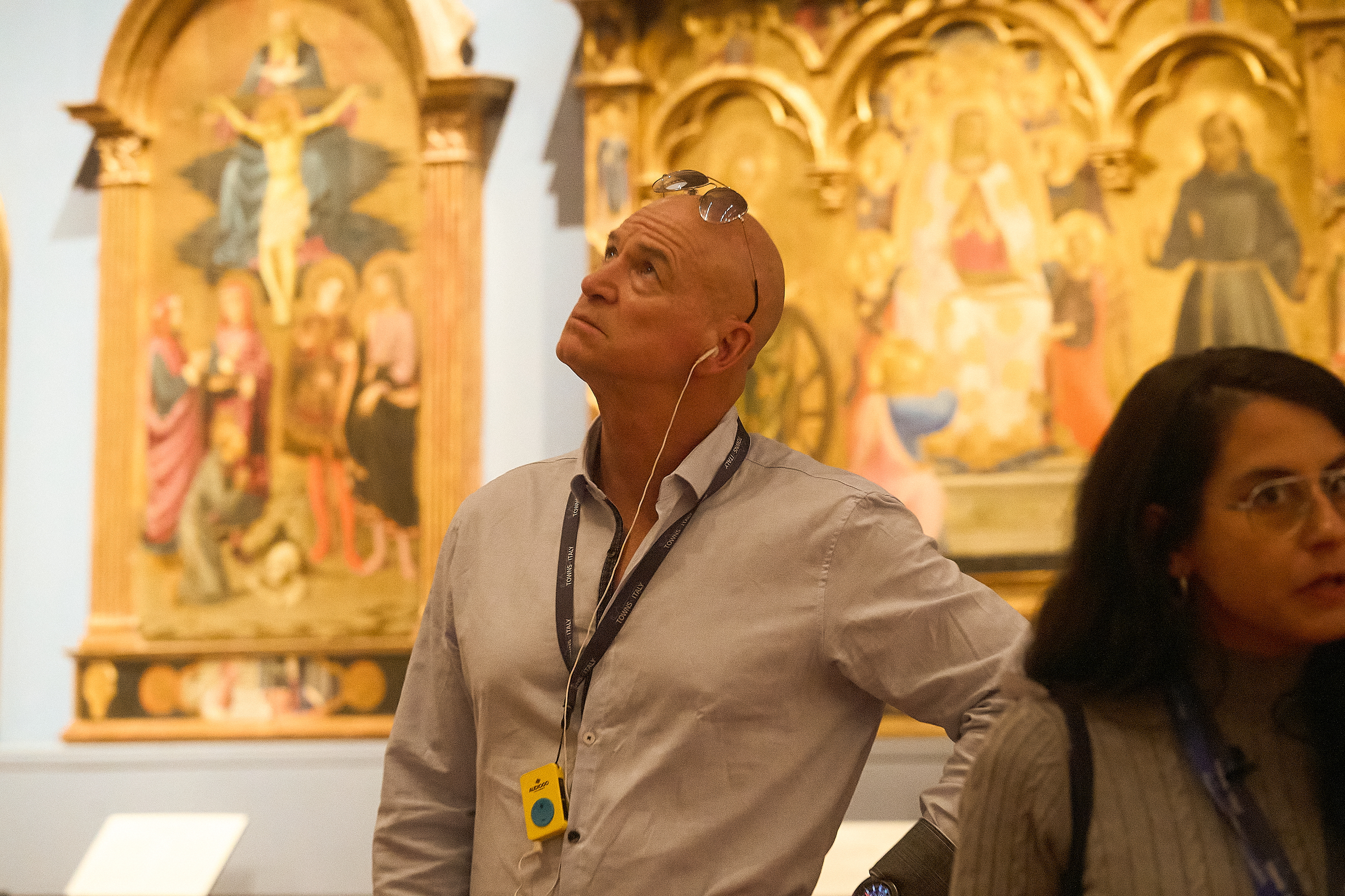
Walk through the UNESCO World Heritage-listed centre of Florence, discovering the secrets of its art and history with an expert tour guide. Our tour explores the historic and architectural heritage from the city’s Roman foundation to the modern day.
- Walking tour of Florence’s UNESCO-listed historic centre
- See the city’s most famous landmarks including the Duomo and Ponte Vecchio
- Listen to the interesting explanations of an expert guide
- Guaranteed Accademia Gallery tickets
- See Michelangelo’s David and other Renaissance masterpieces
Meeting Point
This is a combo tour with two different meeting points and a break between the activities.
Florence - Via de Lamberti 1. Look for Towns of Italy tour guide, in front of civic number 1.
Who were the Medici and how did they shape the Renaissance in Florence?
The Medici were a Florentine banking dynasty who, over the course of the 15th and 16th centuries, became the most influential patrons of art and culture in the Western world. Beginning with Cosimo de' Medici (1389–1464), the family used their vast banking wealth to commission, collect, and sponsor the greatest artists, architects, philosophers, and scientists of their era. Under Lorenzo de' Medici — known as Lorenzo the Magnificent — Florence became the intellectual and artistic capital of Europe: Botticelli, Leonardo da Vinci, and the young Michelangelo all worked under Medici patronage. The family founded the Platonic Academy, collected the manuscripts that became the foundation of the Biblioteca Medicea Laurenziana, and built or sponsored many of the buildings that define Florence today — including the Uffizi, the Pitti Palace, and the Medici Chapels. Without the Medici, the Renaissance as we know it would not have existed.
Why is Michelangelo's David considered the greatest sculpture ever created?
Michelangelo's David stands 5.17 metres tall and was carved from a single block of Carrara marble between 1501 and 1504, when Michelangelo was between 26 and 29 years old. What makes it extraordinary is not simply its scale but its psychological and anatomical achievement. Unlike earlier representations of the biblical David — typically shown after his victory over Goliath — Michelangelo chose to depict the moment just before the confrontation: the instant of supreme tension when David has spotted his enemy, made his decision, and is about to act. The body is simultaneously relaxed and coiled — the weight shifted onto one leg in classical contrapposto, the hands disproportionately large (designed to be seen from below, where they would appear correct), the gaze fierce and concentrated. No sculpture before or since has achieved such a fusion of physical beauty, psychological depth, and sheer technical mastery.
What are Michelangelo's Prigioni and why are they displayed in the Accademia alongside David?
The Prigioni — 'prisoners' or 'slaves' — are four unfinished sculptures by Michelangelo that are displayed in the long gallery of the Accademia leading up to the David. Begun around 1513 as part of an ambitious tomb project for Pope Julius II, they were never completed, and this incompleteness is precisely what makes them so powerful and so important in the history of sculpture. The figures appear to be struggling to free themselves from the raw marble block — emerging, straining, half-formed. Michelangelo's method of working directly into the stone without preparatory models is dramatically visible here: you can see chisel marks, rough surfaces, and figures that exist in a permanent state of becoming. For Michelangelo, the figure already existed within the marble — the sculptor's task was simply to liberate it. The Prigioni make that idea visible and tangible in a way that no finished work can.
What is the Oltrarno artisan district and what can you discover there on a private walking tour?
The Oltrarno is Florence's artisan quarter, the neighbourhood on the south bank of the Arno that has been home to the city's craftspeople for centuries. Unlike the museum-dense north bank, the Oltrarno offers a living, working Florence: goldsmith workshops where jewellery is still crafted by hand using Renaissance techniques, bookbinding studios, leather workshops, frame gilders, mosaic artists, and small family-run osterie that have not changed in decades. It is also the neighbourhood of Palazzo Pitti and the Boboli Gardens, of the Brancacci Chapel (home to Masaccio's revolutionary frescoes), and of the workshops of the Florentine Craft School. On a private walking tour, a knowledgeable local guide can open doors and conversations that no guide book can replicate — taking you into active workshops, explaining the connection between the artisan tradition and the Renaissance, and revealing a side of Florence that most visitors never find.
Why is Ponte Vecchio the most unique bridge in Europe, and what is its history?
Ponte Vecchio — 'Old Bridge' — is the oldest bridge in Florence, with foundations dating to Roman times. The current structure was rebuilt after a major flood in 1333 and has stood in its present form for nearly seven centuries. What makes it unique in Europe is not its age but its function: unlike any other bridge on the continent, Ponte Vecchio is lined on both sides with permanent shops that were built onto the bridge itself. Originally occupied by butchers and tanners (whose waste was thrown directly into the Arno), the bridge was taken over by goldsmiths in 1593 when Ferdinando I de' Medici decreed that only jewellers and art dealers could operate there — an edict that still effectively applies today. Running above the shops on the east side of the bridge is the Vasari Corridor, the private Medici passageway built in 1565.
What is the cancellation policy?
For groups of 1 to 8 people, a full cancellation fee applies if you cancel within 7 days of your tour date or in case of no-show. For groups of 9 or more, availability and cancellation terms are available on request.


Starting from
price per person
based on a group of 4