Private Florence Museums Special Tour with guaranteed Accademia tickets and skip-the-line Uffizi tickets
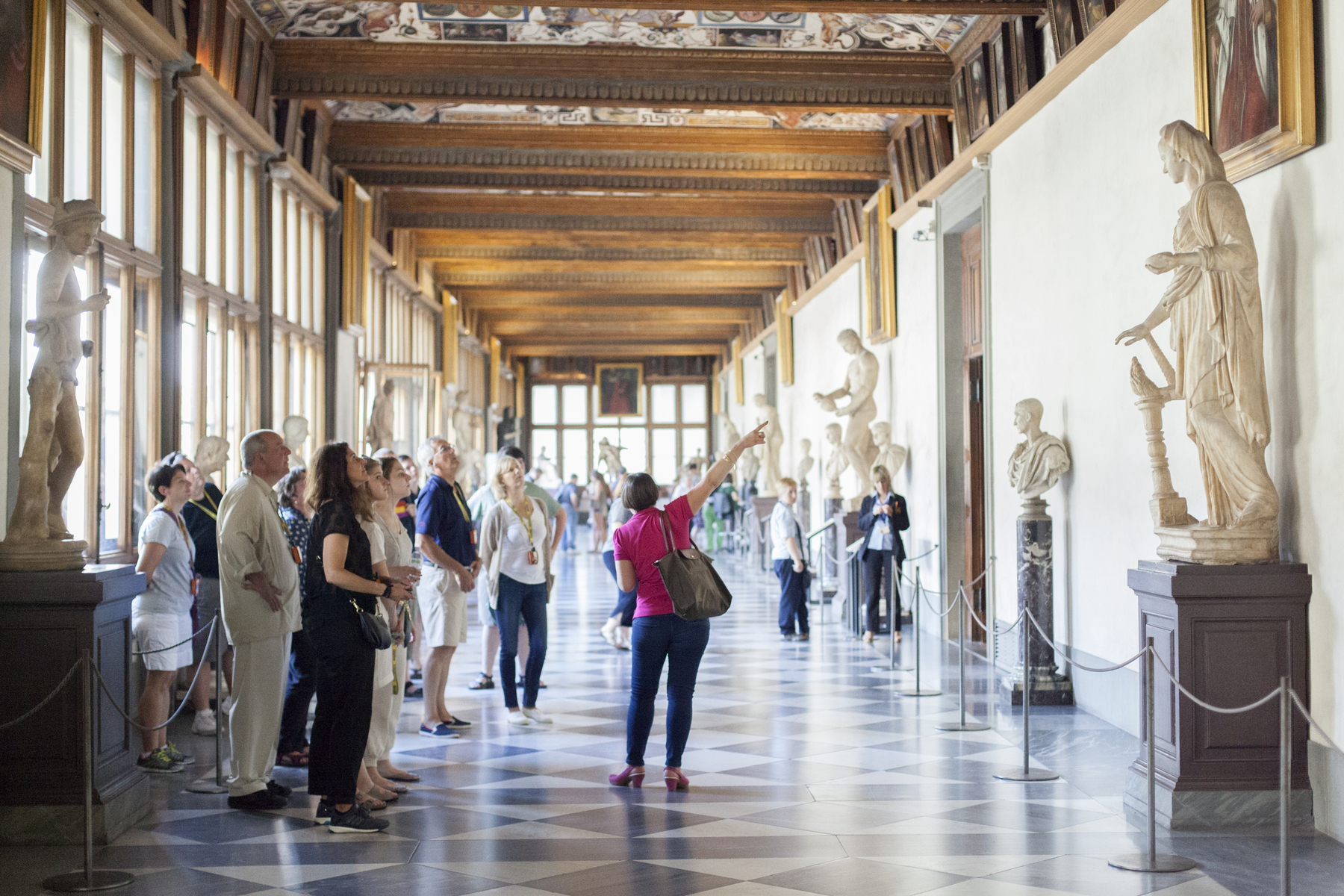
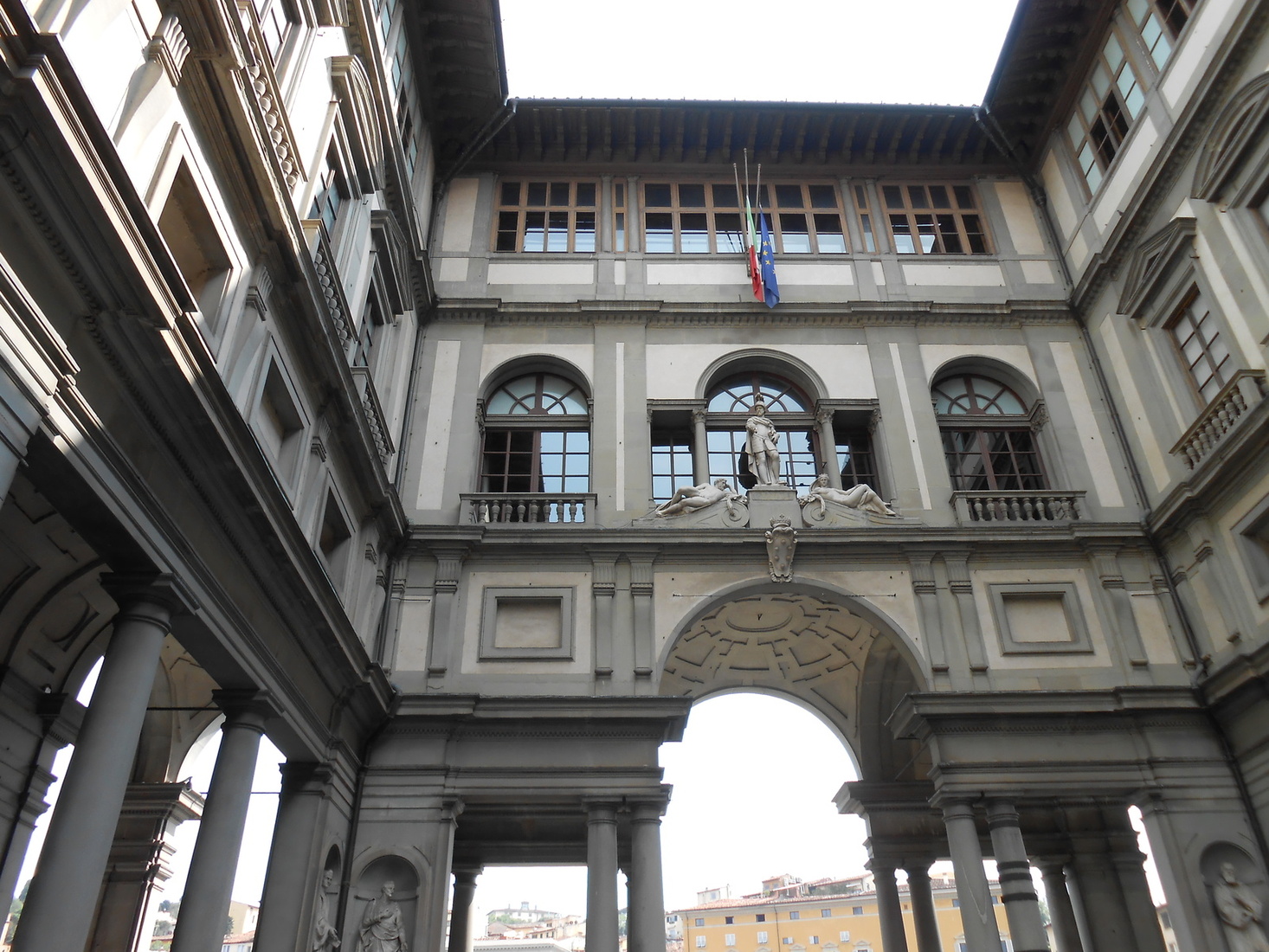
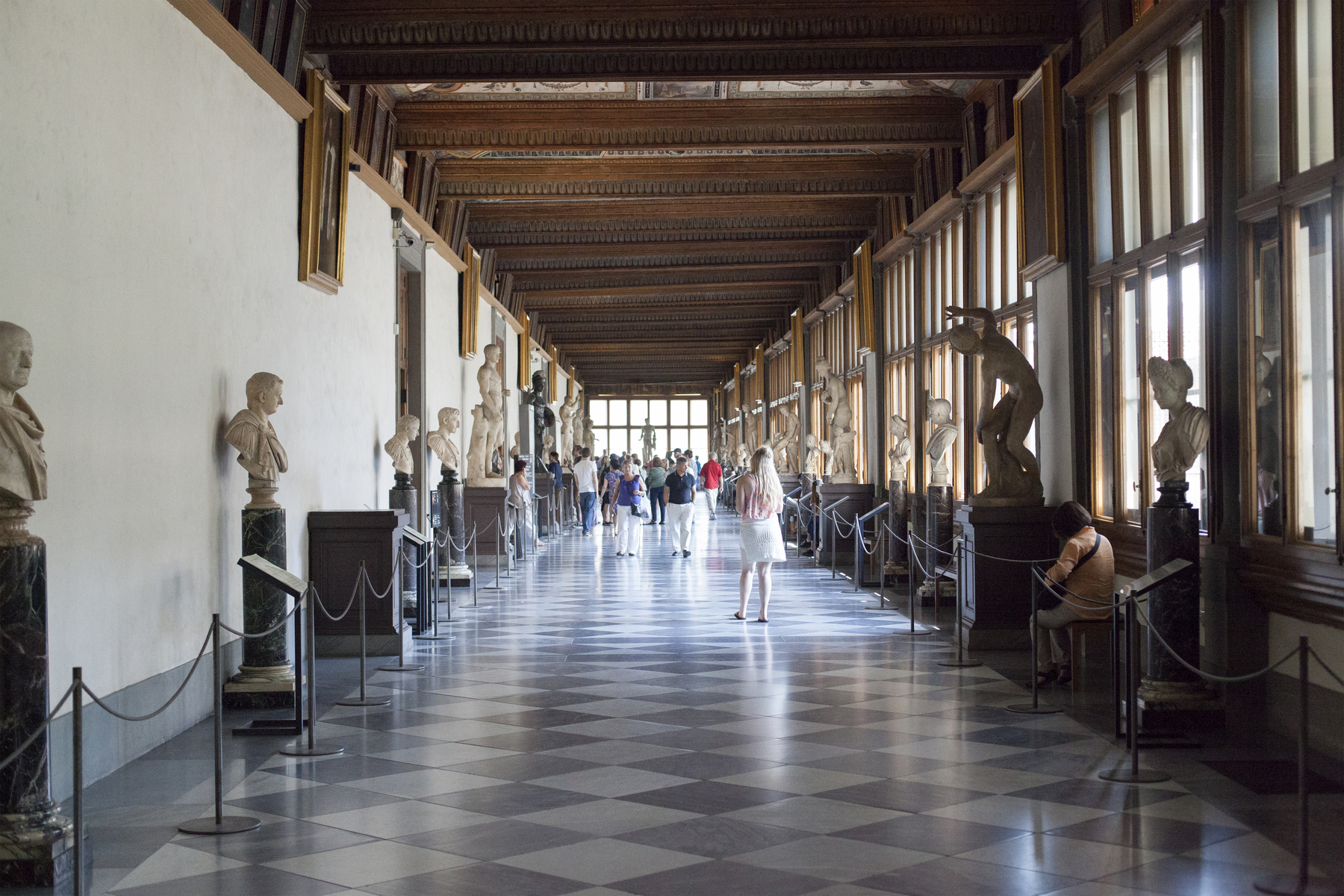
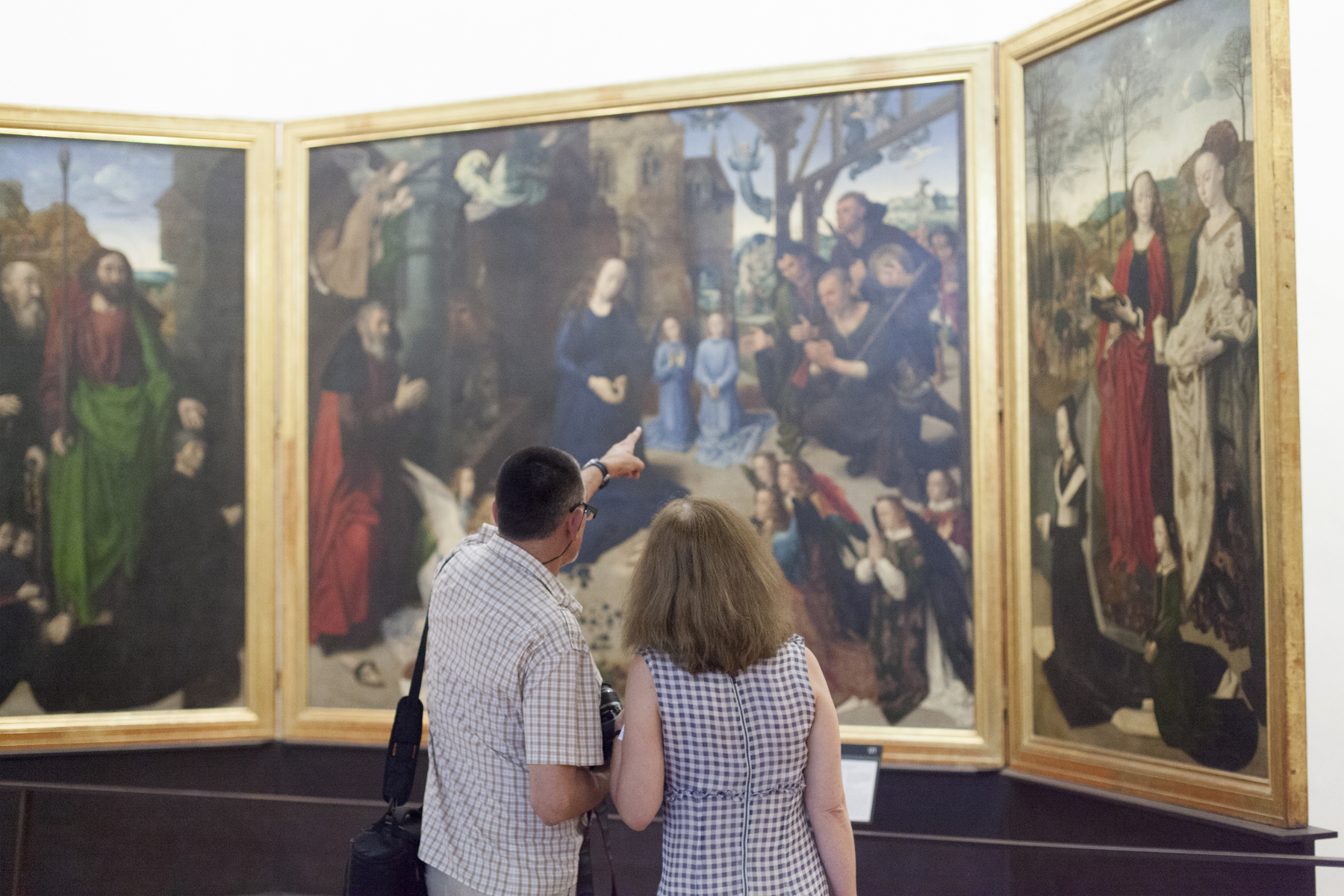
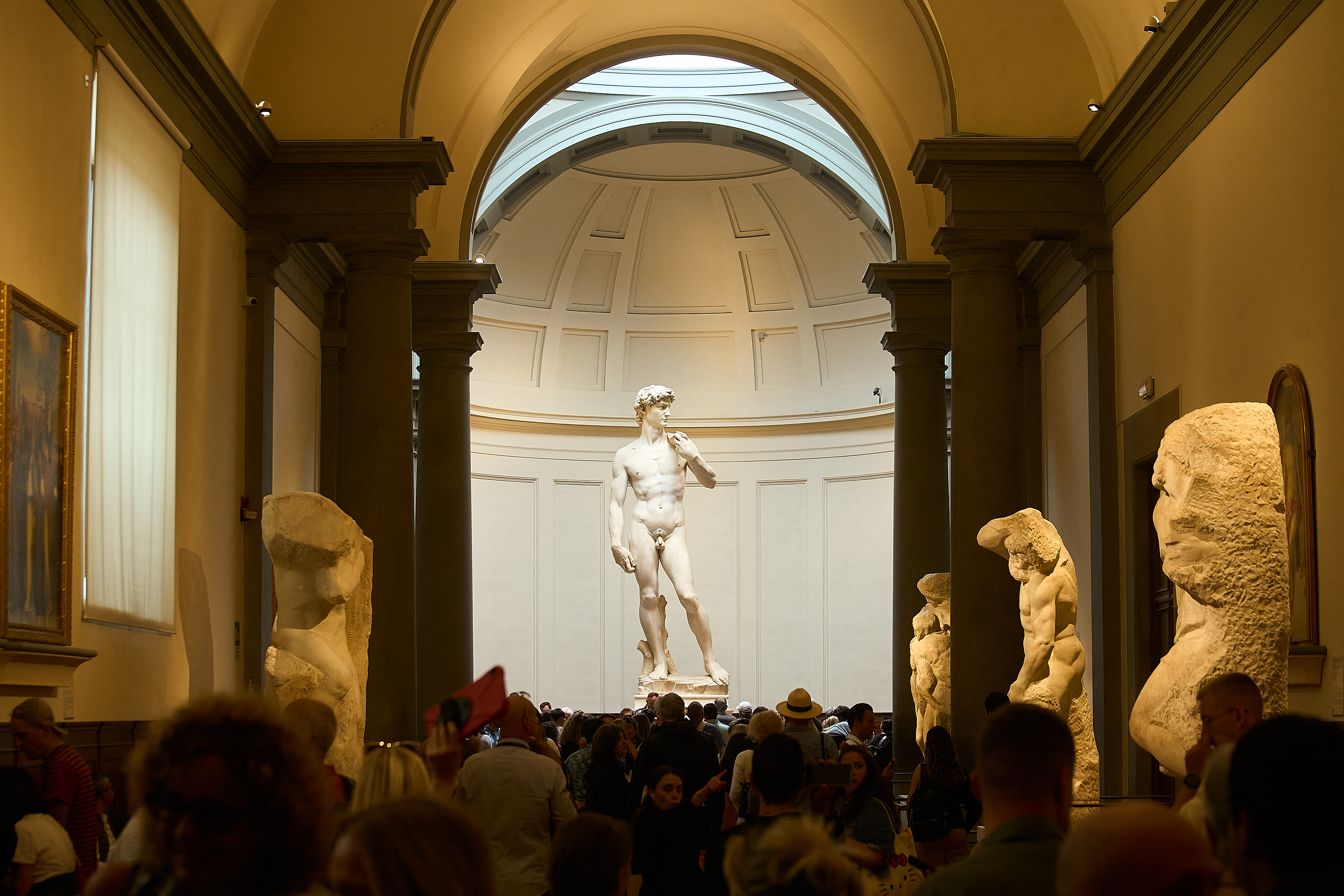
Where to get tickets for the Accademia Gallery and skip-the-line tickets for the Uffizi? They’re both included in our tour! Accademia Gallery tickets are guaranteed and secured in advance, while skip-the-line access is included for the Uffizi Gallery. It’s a great way to make the most of your visit to two of Florence’s most important art museums, with a knowledgeable English-speaking guide bringing the masterpieces and their stories to life.
- Tickets secured in advance for two of the world’s most renowned art galleries
- Take an Accademia tour and meet the Statue of David
- See Michelangelo’s unfinished sculptures and Italian masterpieces in the Accademia
- Visit Uffizi with an art expert guide
- Follow the evolution of Italian art through the centuries at the Uffizi
Meeting Point
Accademia Ticket Office Via Ricasoli, 58/60, Florence. Look for the Towns of Italy tour guide in front of civic number 58.
Why is Michelangelo's David considered the supreme masterpiece of Renaissance sculpture?
Michelangelo's David, completed in 1504 when the artist was just 29, is a 5.17-meter marble statue depicting the biblical hero at the moment before his confrontation with Goliath. What makes it supreme is not just the technical perfection of the carving - every vein, every muscle, every gesture achieved in marble with extraordinary precision - but the psychological intensity Michelangelo conveyed in the face and posture: concentrated, alert, resolute. David represents the Renaissance ideal of man as the measure of all things, and the Accademia Gallery in Florence is the only place in the world where you can stand in his presence.
What are Michelangelo's Prisoners (Prigioni) and why are they so emotionally powerful?
The Prigioni are a series of four unfinished marble sculptures by Michelangelo, displayed in the Accademia Gallery alongside the David. They depict muscular figures apparently struggling to free themselves from the raw, uncarved marble that surrounds them. Michelangelo left them intentionally unfinished - or was unable to complete them - and the result is one of the most haunting artistic statements of the entire Renaissance: the idea of the human form striving to emerge from matter itself. Art historians have interpreted them as souls striving toward liberation, or as Michelangelo's meditation on the limits of human endeavor.
What makes Botticelli's Primavera one of the most analyzed paintings in art history?
The Primavera (Spring), painted around 1477-1482 for the Medici, is a large tempera painting depicting a complex allegorical scene of mythological figures in a orange grove. What makes it so endlessly analyzed is the richness of its symbolism and the unresolved questions it raises: who are the figures exactly, what is the precise narrative, and what philosophical or literary program does it encode? Art historians have proposed dozens of interpretations - from Neoplatonic philosophy to classical mythology to Medici political allegory. Its beauty and mystery continue to captivate audiences and scholars five centuries after its creation.
Why is seeing both the Accademia and the Uffizi in a single private day the ideal choice for art lovers?
The Accademia and the Uffizi are two of the most important art museums in the world, and together they tell the complete story of Florentine and Italian Renaissance art from the medieval period through the height of the Renaissance and beyond. The Accademia is intimate and focused - centered on Michelangelo's David and sculpture. The Uffizi is vast and encyclopedic - a journey through centuries of painting from Giotto to Botticelli to Leonardo to Caravaggio. Seeing both in a single private day with a dedicated guide is the most complete possible experience of Florence's artistic heritage.
How does having a private guide transform the experience of visiting the Accademia and Uffizi?
In Florence's most visited museums, the difference between having a private guide and exploring alone is the difference between reading a book and having a conversation with its author. A private guide not only provides context and narrative for each masterpiece - they also adapt the depth and focus of the experience to what you find most compelling, answer your specific questions in real time, and help you navigate the museums efficiently so you spend your time with what matters most. The experience becomes personal, not generic; memorable, not exhausting.
What is the cancellation policy?
For groups of 1 to 8 people, a full cancellation fee applies if you cancel within 7 days of your tour date or in case of no-show. For groups of 9 or more, availability and cancellation terms are available on request.


Starting from
price per person
based on a group of 4