Brunello Wine Tour from Florence with lunch and visit to vineyards
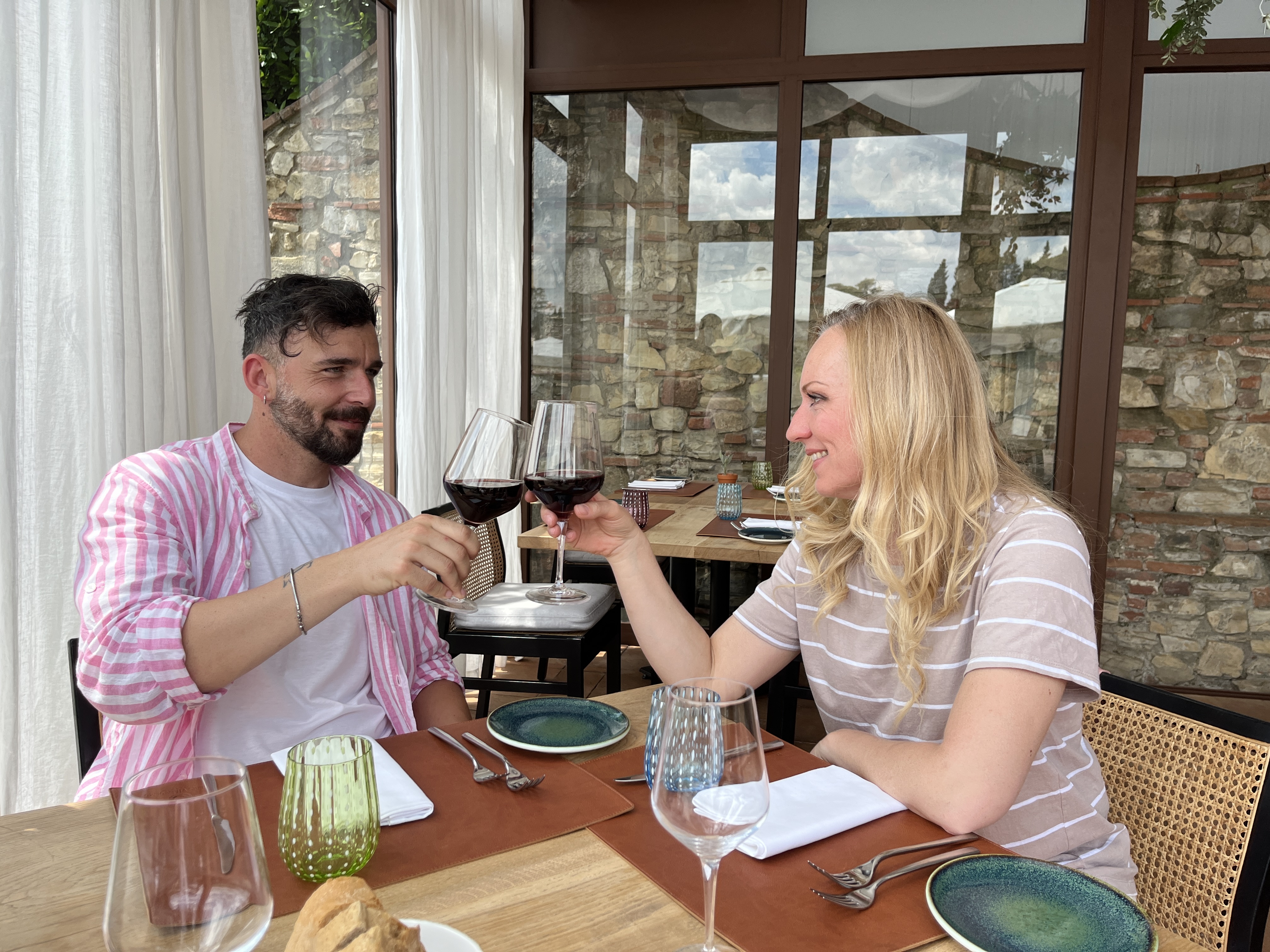
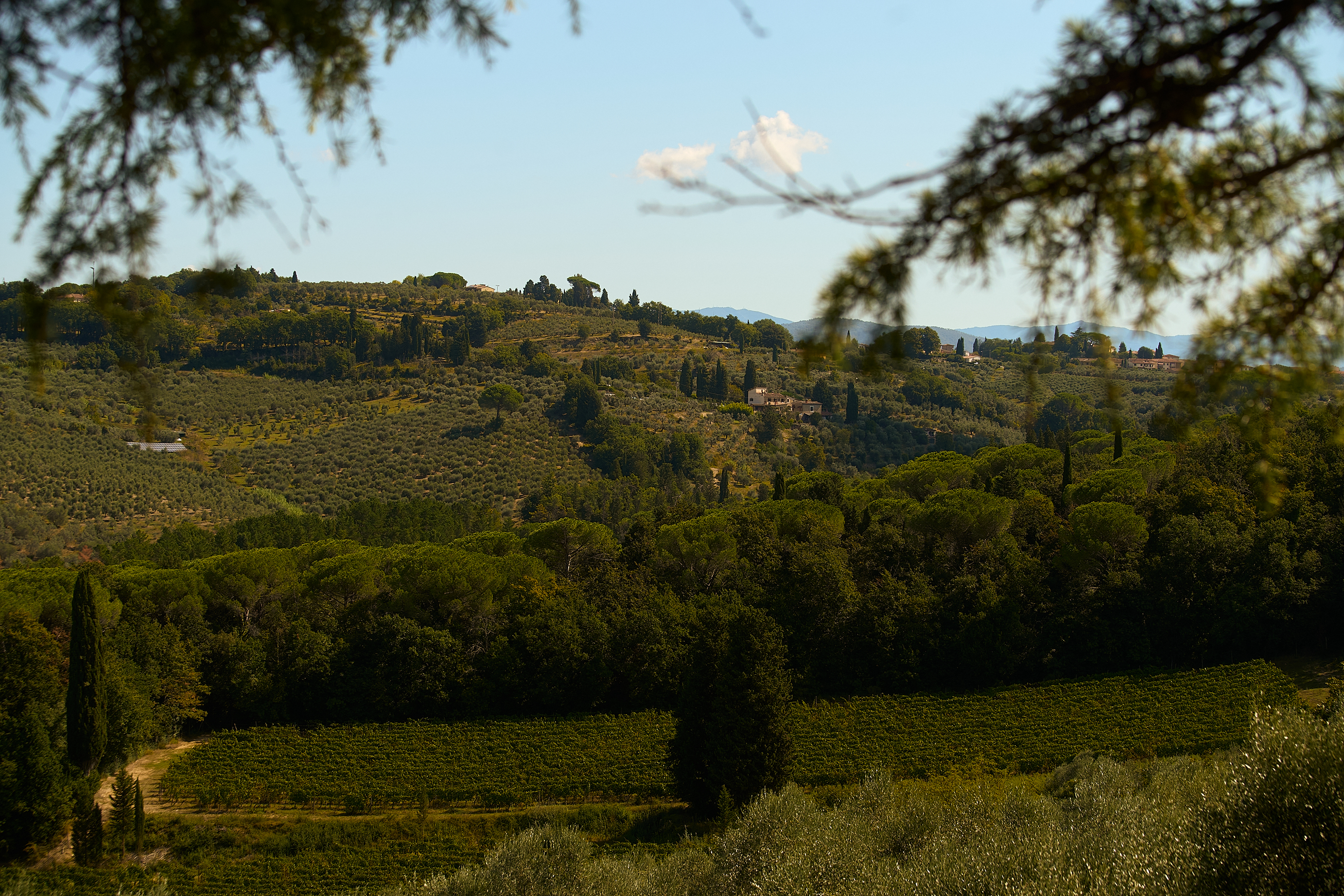
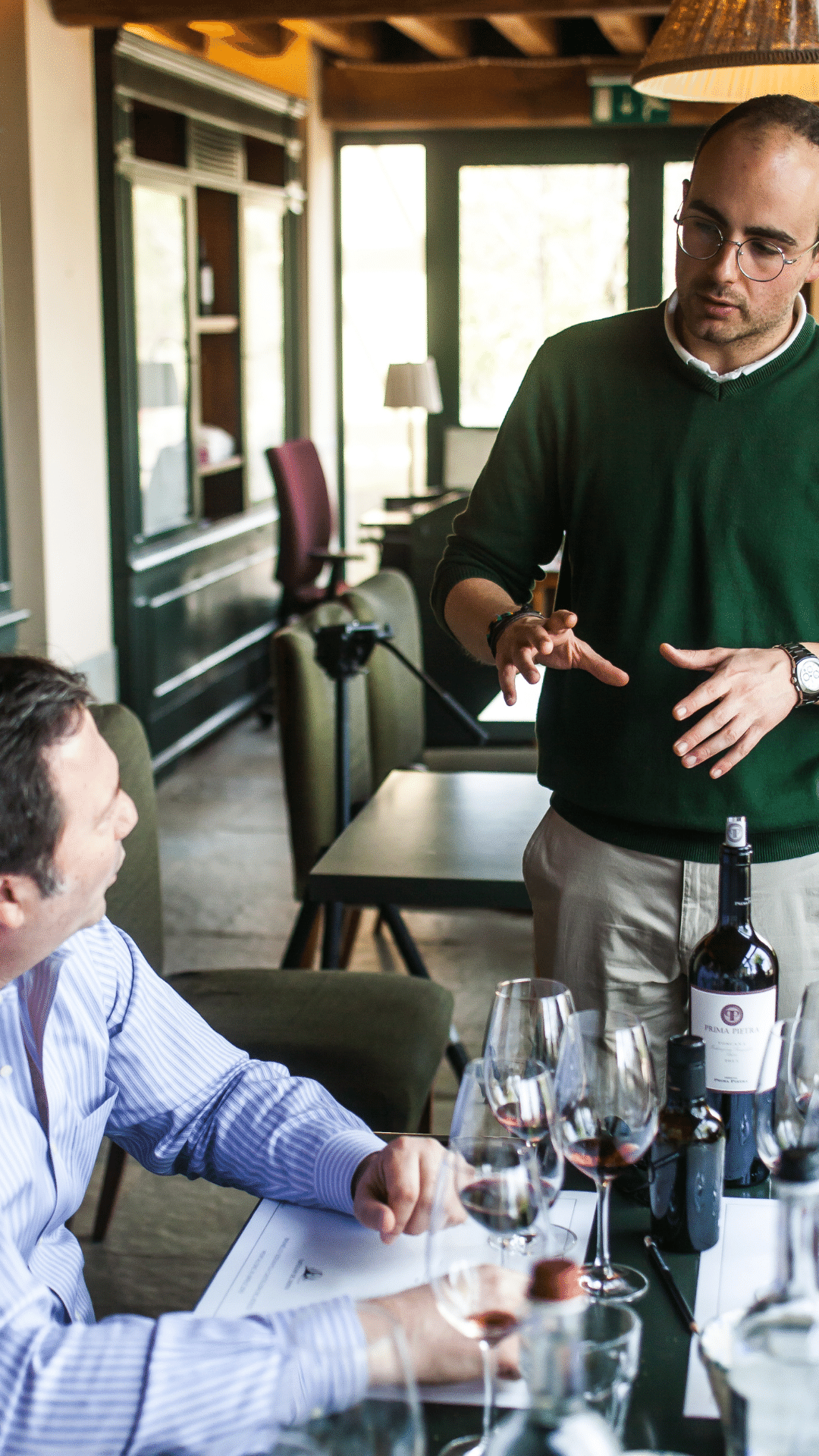
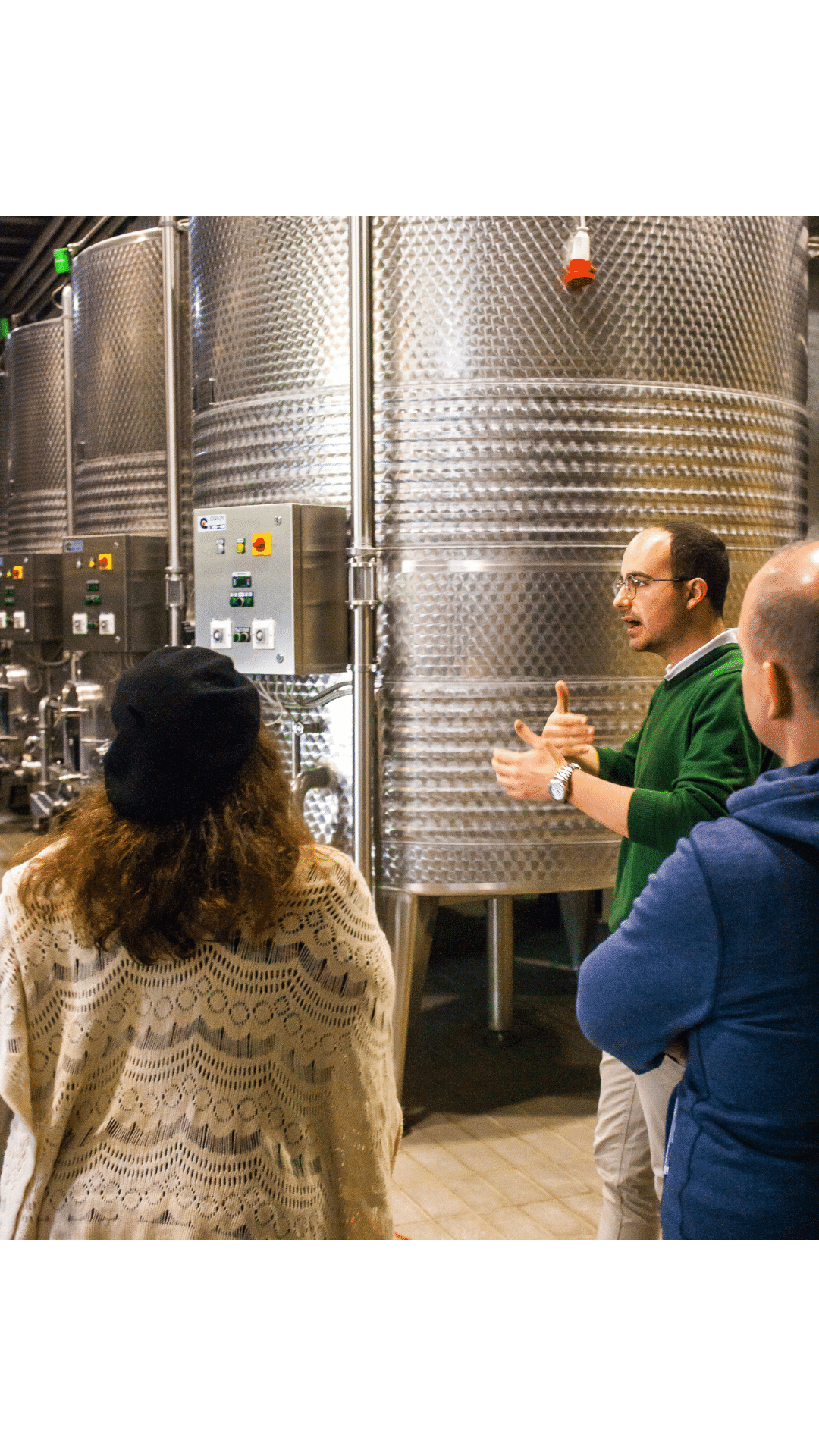
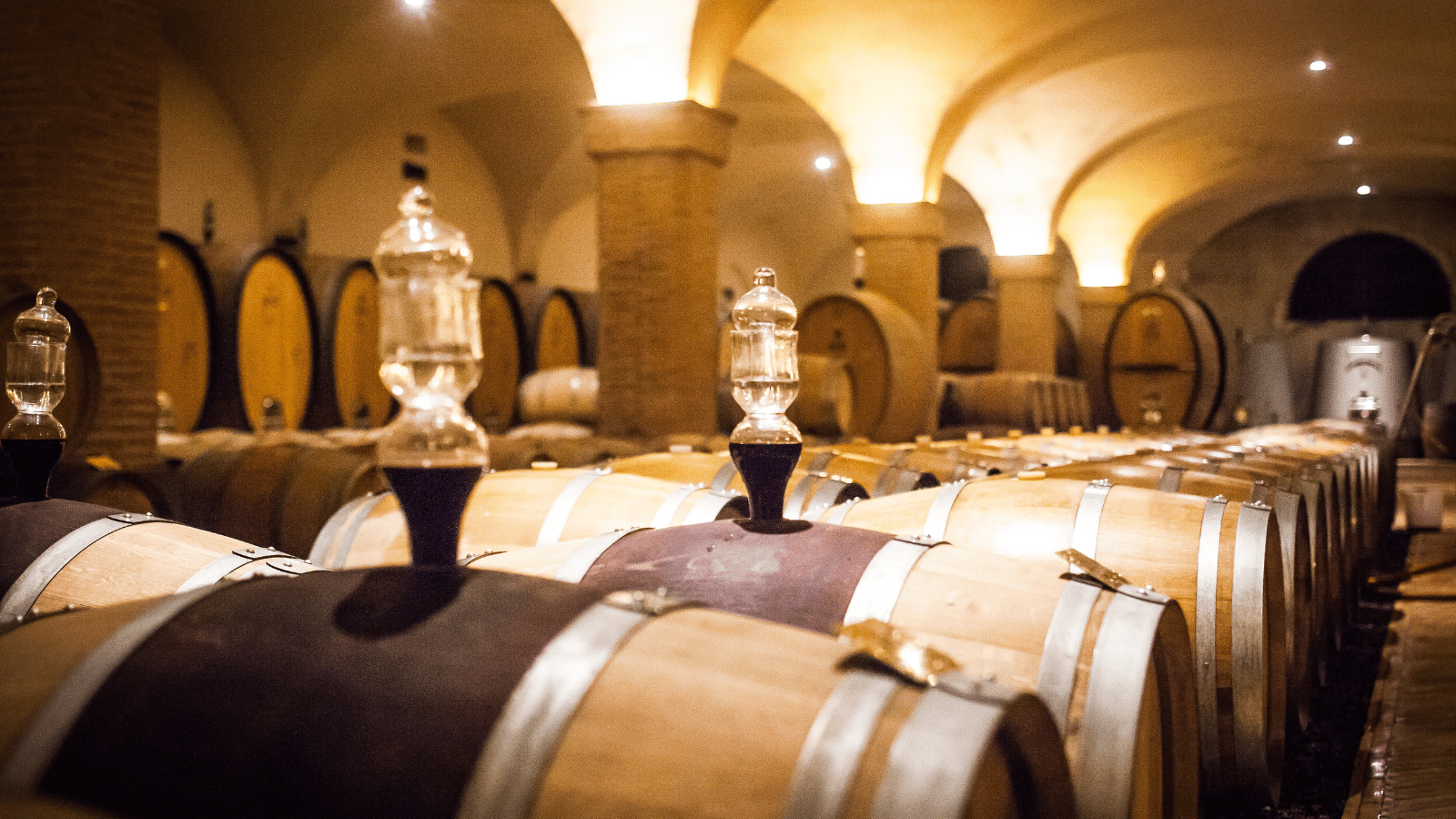
Visit one of the most famous Tuscan wine regions to try the “King of Italian wine.” You’ll visit two fascinating wineries and their cellars and learn all about how the sumptuous wine is made.
- Travel comfortably by minivan from Florence
- Enjoy a guided tour of two wineries and their cellars accompanied by an expert guide
- Savor wine tastings at each stop, including Brunello DOCG
- Enjoy a typical Tuscan lunch with wine (of course)
- Visit a beautiful UNESCO-listed hilltop village
Meeting Point
The meeting point is in our booking office in Piazza Mentana 2red, Florence (opposite the Arno River).
What makes Brunello di Montalcino the 'King of Italian wines'?
Brunello di Montalcino holds a singular position in the world of Italian wine — and arguably in the world of wine overall. Produced exclusively from Sangiovese Grosso (locally called Brunello) grown in the hills around the medieval hill town of Montalcino in southern Tuscany, it is aged for a minimum of five years before release, with the Riserva requiring six. The result is a wine of extraordinary complexity, depth, and longevity — bottles from great vintages can age for thirty, forty, or even fifty years. Its power comes from the microclimate of Montalcino, one of the warmest and driest zones in Tuscany, while its elegance comes from the elevation of the vineyards, which can reach up to 600 metres. Italy's most prestigious wine classification, DOCG, applies to Brunello, and the best producers — Biondi-Santi, Casanova di Neri, Poggio di Sotto — are names that command respect from collectors worldwide.
What is the difference between Brunello di Montalcino and Rosso di Montalcino?
Both wines are produced from the same Sangiovese Grosso grape in the same territory of Montalcino, but they represent very different expressions of the same land. Brunello di Montalcino is the prestige wine: it spends a minimum of two years in oak barrels, followed by a further four months in bottle, and at least five years total from harvest before release. It is structured for long ageing and rewards cellaring. Rosso di Montalcino, by contrast, is the 'little brother' — released just one year after harvest, it is aged for less time and designed to be drunk younger. Rosso offers a fresher, more approachable style at a fraction of the price of Brunello. Many top producers use their younger vines or selected parcels for Rosso, making it an excellent introduction to the style and terroir of Montalcino without the investment required for a great Brunello.
Why is the terroir of Montalcino so exceptional for wine production?
The territory of Montalcino is a hill town in the Val d'Orcia in southern Tuscany, sitting at elevations between 300 and 600 metres above sea level. Its position between the Tyrrhenian coast and the Apennine mountains creates a uniquely favourable microclimate: warm and dry summers that allow the Sangiovese grape to ripen fully, cold winters that allow the vines to rest, and good diurnal temperature variation that preserves the grape's natural acidity — the key to Brunello's remarkable longevity. The soils vary dramatically across the territory, from the Galestro (a fragile, calcareous clay schist) of the higher elevations to the heavier Alberese soils in the lower zones, producing wines of different character and structure. This diversity within a relatively small territory is one reason Brunello wines from different producers can taste so strikingly different.
Why visit two different wineries during the same Brunello wine tour?
Visiting two different wineries on the same day is one of the most revealing things you can do in Montalcino — because it demonstrates, in the most direct possible way, how profoundly different two Brunello wines can be even when produced from the same grape in the same territory. Each winery has its own history, its own philosophy, its own elevation and soil composition, and its own approach to winemaking: the choice of barrel size, the length of maceration, the decision to blend across different parcels or keep them separate. Tasting wines from two producers side by side reveals nuances — one more structured and austere, the other more immediately expressive — that no description or review can fully convey. It also gives you direct access to the people who make these wines, in the cellars and vineyards where they are produced.
Is a day trip from Florence to the Brunello wine region possible, and is it worth it?
Yes, a day trip from Florence to the Brunello wine region of Montalcino is absolutely possible and — for anyone seriously interested in Italian wine — deeply worth it. Montalcino is approximately 120 kilometres south of Florence, roughly a two-hour drive through the Tuscan hills. The journey itself is scenic: the route passes through Siena and into the Val d'Orcia, a UNESCO World Heritage landscape of rolling hills, cypress avenues, and medieval villages. Arriving at Montalcino, you gain access to some of Italy's greatest wine producers in their natural setting — a completely different experience from visiting a wine shop or attending a tasting event in a city. The combination of the drive through the Tuscan countryside, the medieval town, and the cellar visits makes this one of the most complete and memorable day excursions available from Florence.
What is the cancellation policy?
For groups of 1 to 8 people, a full cancellation fee applies if you cancel within 7 days of your tour date or in case of no-show. For groups of 9 or more, availability and cancellation terms are available on request.


Starting from
price per person
based on a group of 4