What to Do in Milan: What to See, Eat and Experience
Italy's fashion capital has one of the world's greatest Leonardo da Vinci paintings, a food culture the rest of the country quietly admires, and neighbourhoods most tourists never find.

Most travellers arrive in Milan with low expectations. It's often seen as a transit city, a business hub, or simply a stop on the way to Venice or Lake Como. They're wrong. If you're wondering what to do in Milan, you'll quickly discover a city filled with remarkable art, outstanding food and vibrant neighbourhoods. Home to Leonardo da Vinci's The Last Supper, still preserved on the wall where it was painted in 1498 and accessible only with a timed reservation, Milan also sets the benchmark for northern Italian cuisine. Beyond the famous fashion district, its historic streets, local markets and lively districts reveal a different side of the city. This guide explores what to do in Milan, from iconic landmarks to authentic experiences that are truly worth your time.
The One Thing You Cannot Miss: Leonardo's Last Supper
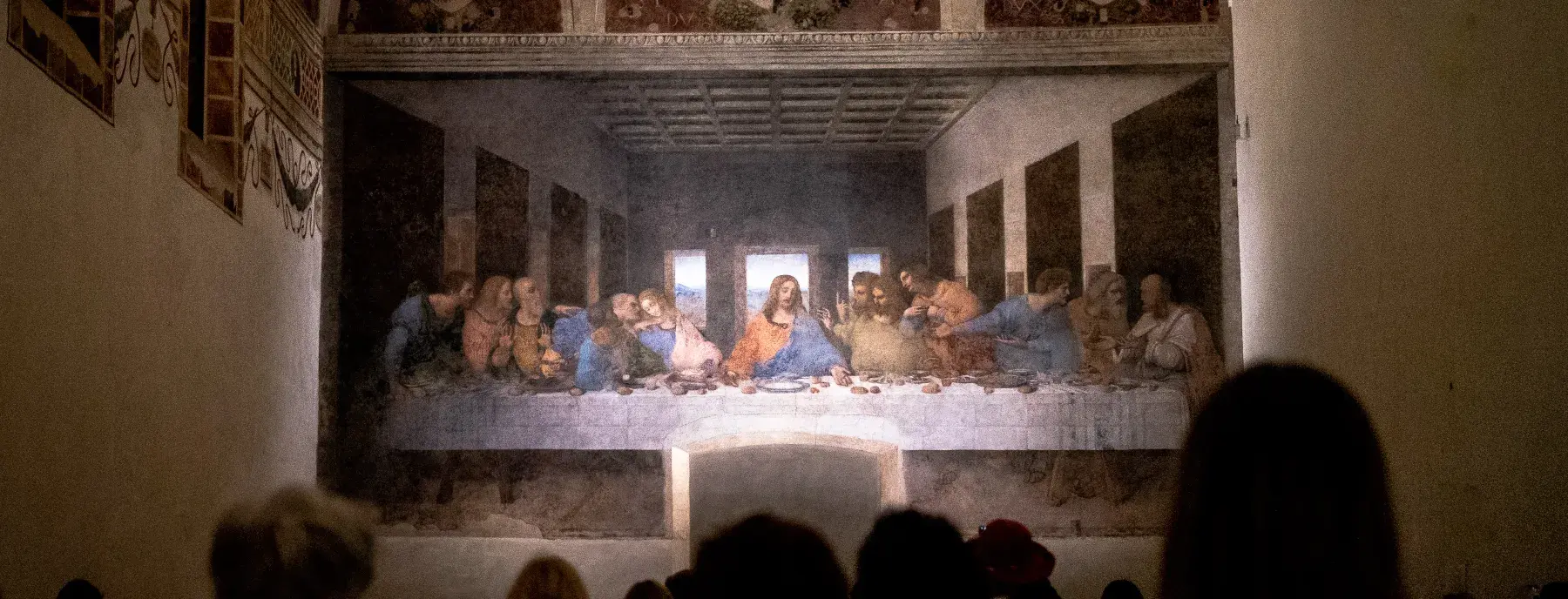
Leonardo da Vinci painted The Last Supper on the refectory wall of Santa Maria delle Grazie between 1495 and 1498. It has never been moved. You visit it in the room it was painted for, standing in front of a wall that has survived five centuries of deterioration, a Napoleonic army that used the refectory as a stable, and a World War II bomb that destroyed the surrounding building but left the painting intact. It is extraordinary, and it is unlike any other art experience in Italy.
The practical reality: tickets must be booked weeks — and in peak season, months — in advance. Visits are strictly timed, limited to fifteen minutes, and capped at thirty people per session. There is no walk-in access. Book before your trip, not when you arrive in Milan. Our Last Supper guided tour includes guaranteed timed entry plus an expert guide who briefs you on what you're about to see before you enter the refectory — the context makes an enormous difference to what you actually notice in those fifteen minutes. The tour runs in a small group format (semi-private, up to 10 people) and departs directly from the Santa Maria delle Grazie entrance.
The Duomo di Milano: Italy's Most Ambitious Cathedral


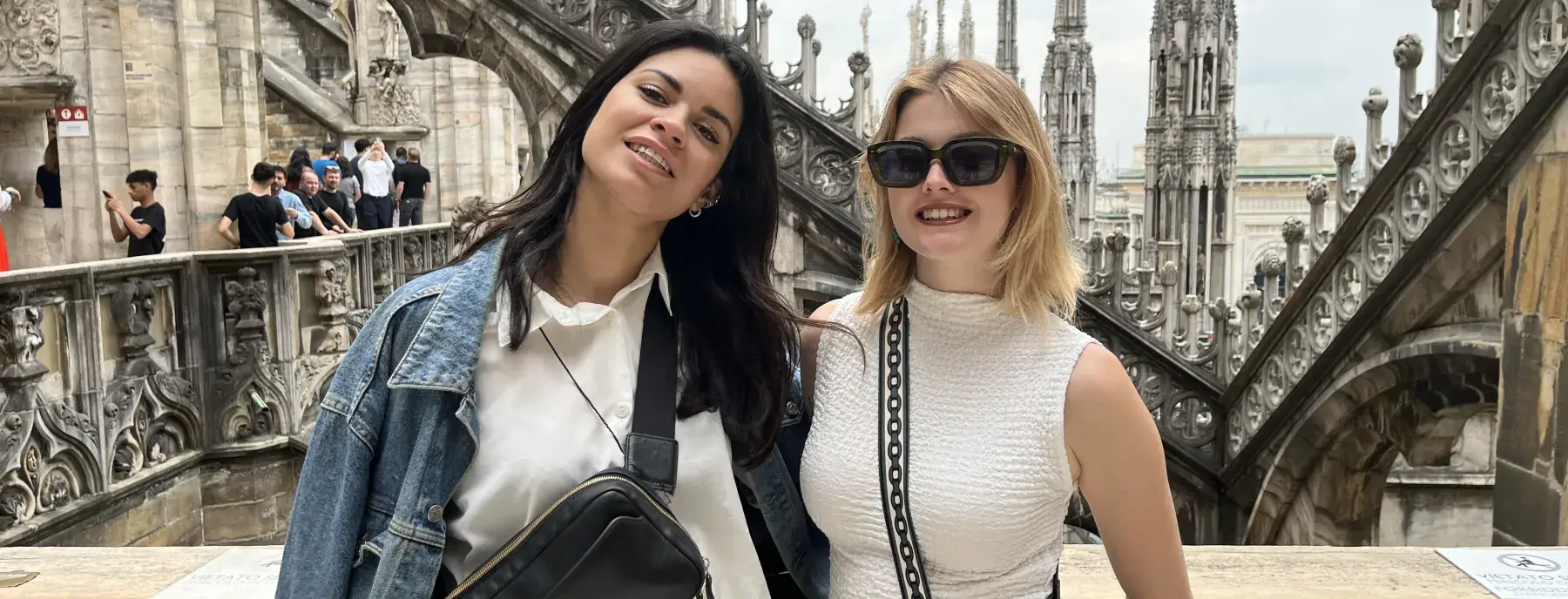
The Milan Cathedral took nearly six centuries to complete — construction began in 1386 and continued until the 19th century. The result is one of the largest Gothic structures in the world: 135 spires, over 3,400 statues on the exterior, and a rooftop terrace that offers a perspective on Milan that no other viewpoint can match. On clear days, the Alps are visible to the north. The marble forest of pinnacles is one of the genuinely strange and beautiful architectural experiences in Europe.
The interior is austere compared to the exterior — impressive in scale, sober in decoration. The rooftop is where the drama is. Allow an hour on the terrace. The piazza in front of the Duomo is the geographic centre of Milan and worth sitting in even if you don't go inside — the Galleria Vittorio Emanuele II, one of the world's oldest and most beautiful shopping arcades, opens directly off the square.
Where to Eat in Milan
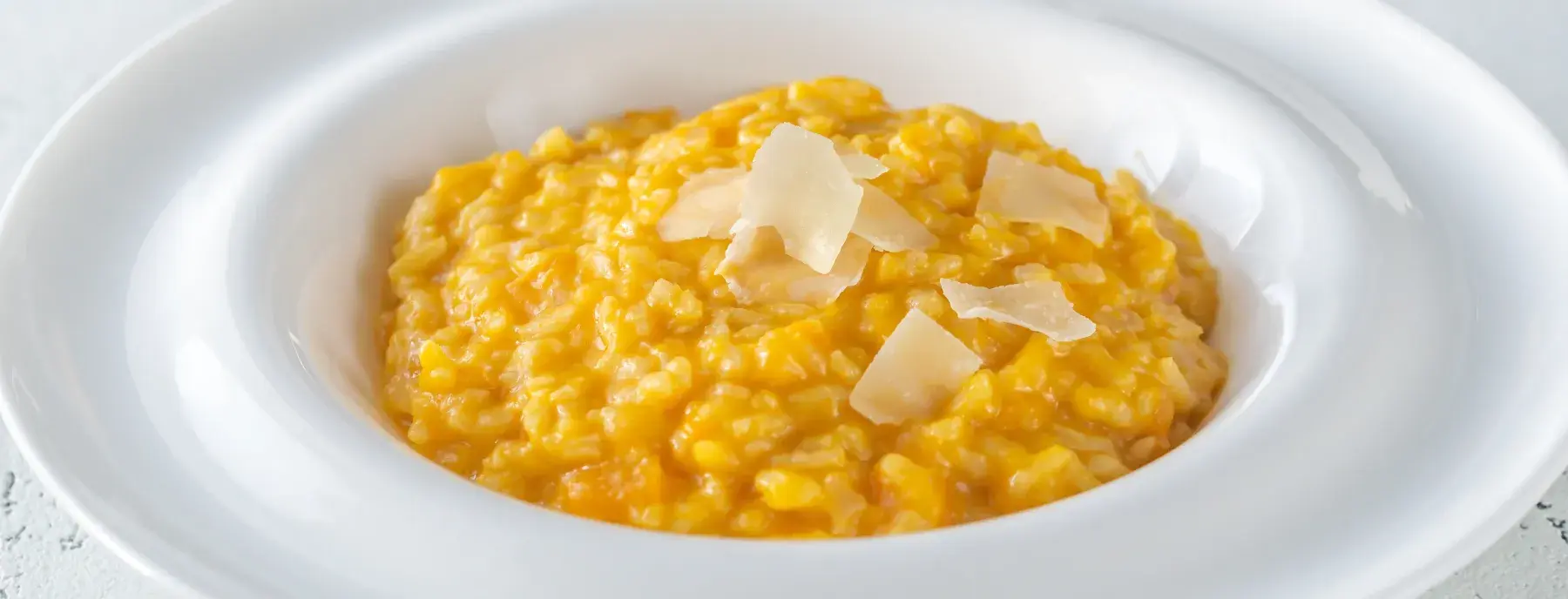
Milan's food scene is the most underrated in Italy, partly because the city's reputation is built on fashion and finance rather than food. This is a mistake.Knowing where to eat in Milan is just as important as deciding what to see, because the city's culinary tradition has a distinctive identity of its own. Milanese cooking has its own vocabulary: risotto alla Milanese (saffron, bone marrow, white wine — nothing like risotto anywhere else), cotoletta alla Milanese (the original breaded veal cutlet, before Vienna claimed it), ossobuco slow-braised with gremolata, and a range of cured meats and aged cheeses from Lombardy that don't travel well beyond the region.
For lunch, explore the streets around the Brera district or Porta Romana — where prices are reasonable and the food is made for residents, not tourists. For a hands-on introduction to Milanese cooking, the Towns of Italy cooking class in Milan covers the city's most iconic dishes in a small-group session.
The Aperitivo: Milan's Greatest Cultural Export


Milan turned the aperitivo from a pre-dinner drink into a cultural institution. The tradition of serving generous food spreads alongside a drink — warm dishes, cured meats, cheeses, bruschette — developed in Milan in the 20th century and has since spread across Italy and beyond. The Navigli and Isola districts are where the aperitivo hour is done best: from 6pm to 9pm, a single drink order buys you access to a spread that functions as a light dinner.
One Campari Spritz or Aperol Spritz is standard. The quality of the food spread varies significantly between bars — the best ones put genuine effort into what they offer, and locals know which is which. This is worth asking about at your hotel or asking anyone local. The aperitivo hour in Milan is one of the things the city does better than anywhere in the world, and missing it is a genuine omission.
The Neighbourhoods Worth Exploring


The tourist circuit — Duomo, Galleria Vittorio Emanuele II, Via Montenapoleone — is worth seeing, but it's not where Milan lives. The Navigli district, built around canals designed in part by Leonardo da Vinci, is where the city has its aperitivo, its late evenings, and its weekend markets. Isola, to the north, is where Milan's creative community has settled: independent shops, excellent restaurants, street art, bars that stay open late.
The Brera district is quieter and more elegant — cobblestone streets, the Pinacoteca di Brera (one of Italy's great art museums, consistently overlooked in favour of Florence and Rome), and excellent restaurants. Any of these neighbourhoods repays an afternoon's walking. The fashion district has beautiful buildings; these are the places where Milan happens.
One Day or Two? How to Plan Your Time
One day in Milan: The Last Supper in the morning (booked in advance), the Duomo rooftop at midday, lunch in Brera, and aperitivo in the Navigli at 6pm. That's a full, excellent day. With two days, add the Pinacoteca di Brera, a cooking class, and time in Isola or the Navigli at night. Three days opens up day trips: Lake Como is 45 minutes by train from Centrale; Lake Maggiore is an hour.
Milan is often dismissed as 'not the real Italy.' This is worth questioning. It is a different Italy — northern, sophisticated, urban — but it is thoroughly and specifically Italian. The Last Supper alone justifies the visit. Everything else is the discovery you didn't expect to make.
Milan doesn't give itself away easily. Spend a day looking in the right places, and you'll leave understanding why Italians consider it the country's most sophisticated city.


