Italy with Kids: Why a Cooking Class Is the One Thing They'll Actually Remember
Museums are patient. Pasta is immediate. You know which one wins.

Travelling to Italy with kids is one of the great adventures — and one of the great logistical negotiations. The ancient ruins are extraordinary. The art museums are extraordinary. The children are eight years old and want pizza, immediately, without further explanation. Here is the truth that experienced family travellers come to: the best way to make Italy come alive for children is not to explain it to them. It's to put them in a kitchen, give them flour-covered hands, and let them make it themselves.
Why Cooking Classes Work So Well for Children
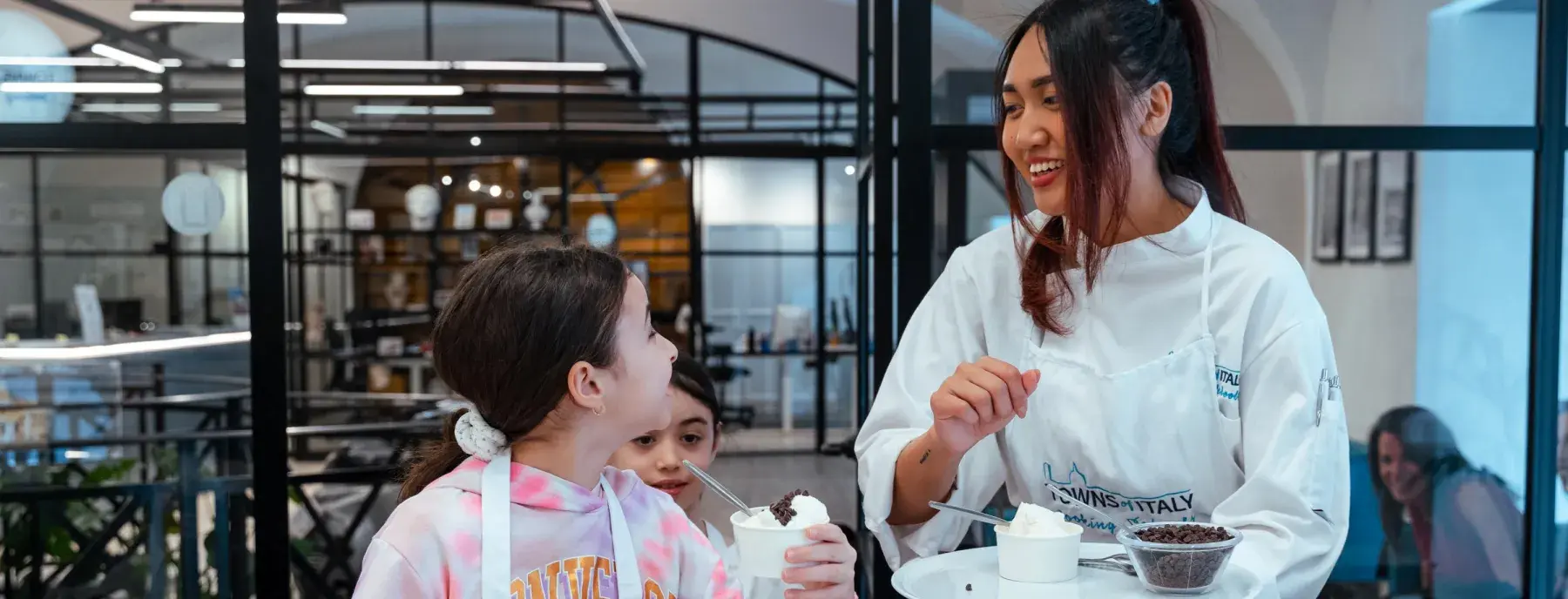
Children learn through doing. This is not a new observation, but it's one that most sightseeing ignores. Standing in front of a Caravaggio is a passive experience for a ten-year-old, no matter how good the audio guide. Standing at a kitchen table, rolling pizza dough with your hands, watching it go into a real oven, and eating it twenty minutes later — that is an active experience with an immediate, delicious result.
Italian cooking classes designed for families are also fundamentally social. Children work alongside adults and the chef in the same kitchen, and they discover that cooking in Italy is not a performance but an ordinary practice — something people do because it tastes good. The lesson about Italian food culture is embedded in the activity without anyone having to say it out loud. Children who visit the Colosseum remember visiting the Colosseum. Children who make pizza in Rome remember making pizza in Rome for the rest of their lives.
What Children Actually Cook


The most popular options for family cooking classes are pizza and gelato — for obvious reasons. In both Rome and Florence, dedicated pizza and gelato classes run for about three hours. Children make the dough from scratch, choose their toppings, watch the pizza cook in a professional oven, and then make gelato in a classic fior di latte base. Both components are genuinely hands-on, not demonstrational. The child does the work.
Pasta classes are also excellent for children old enough to enjoy the technique — from around eight years upward. Rolling fresh tagliatelle by hand, cutting it to width, making a simple sauce: these are skills a child can take home and practise. The tiramisu and coffee class, offered in both Rome and Florence as a 90-minute session, works particularly well for families with younger children or limited time — the making is simple, the eating is immediate, and the result feels genuinely impressive.
What to Expect on the Day
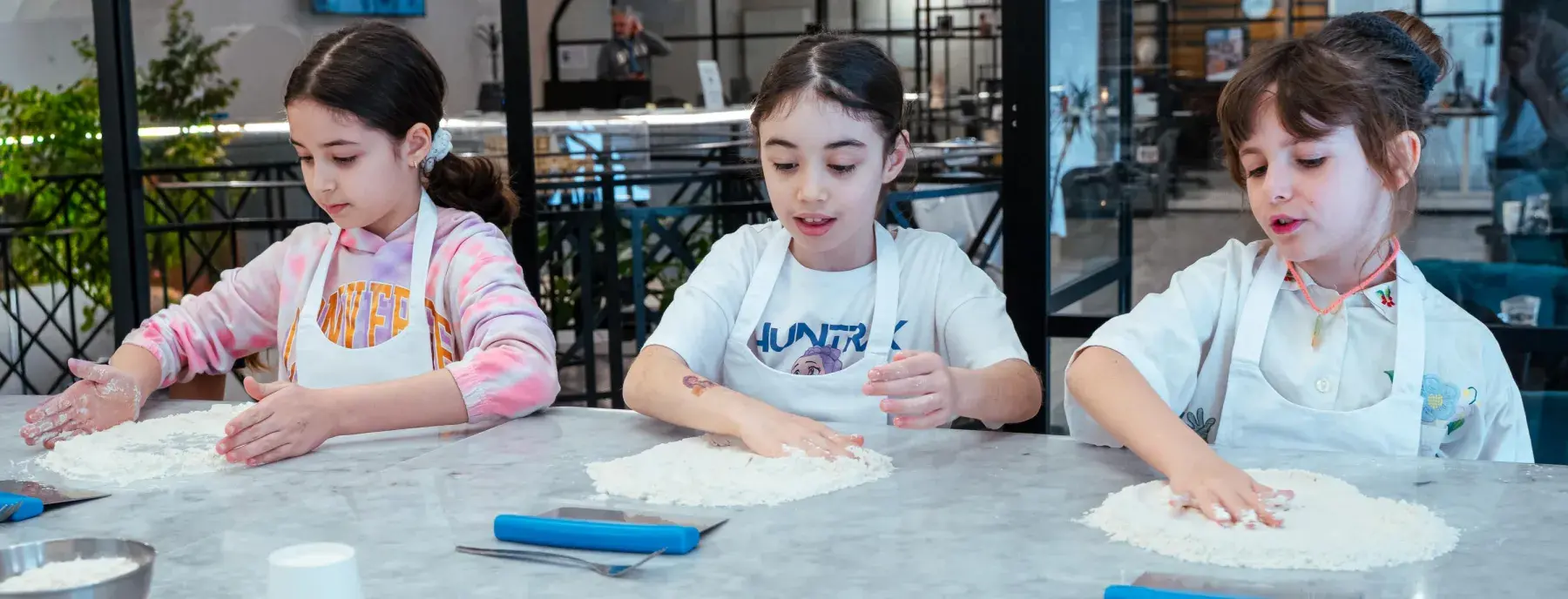
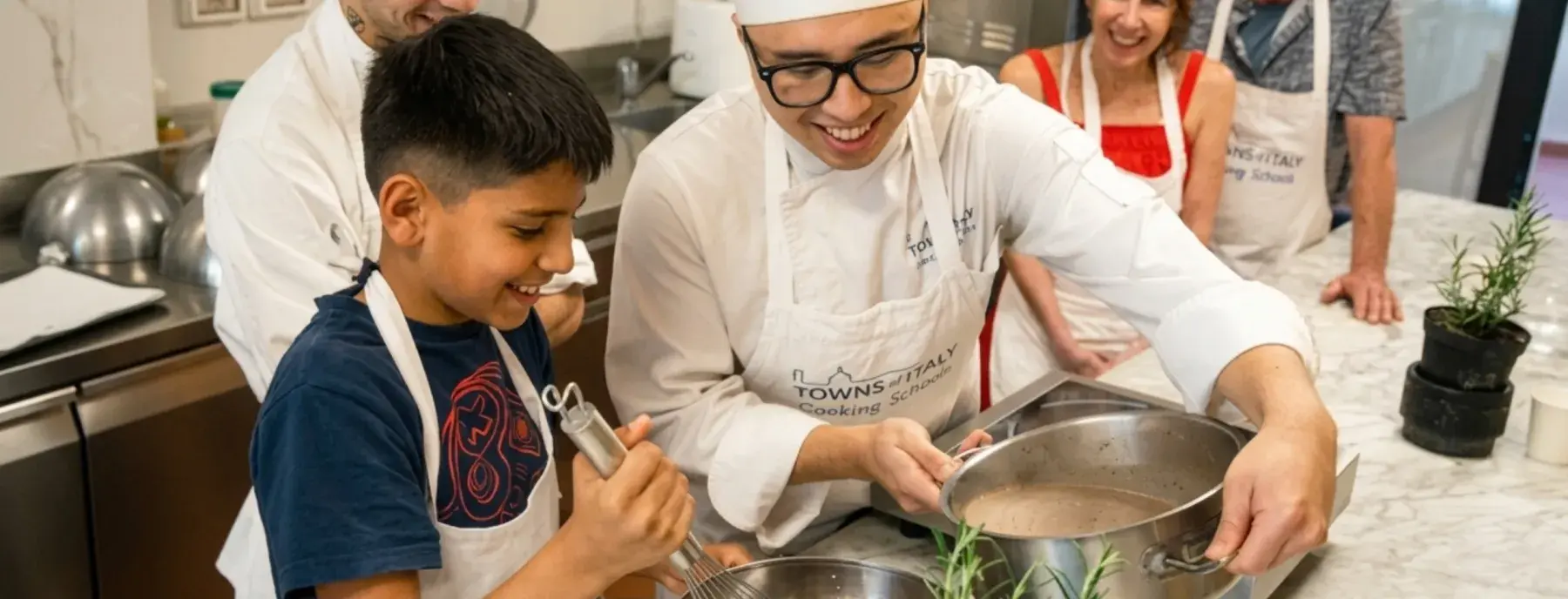
A well-run family cooking class begins with an apron, a welcome from the chef, and a clear explanation of what everyone is going to make together. Children are given their own workstation or paired with an adult depending on the class format and the age of the children. The atmosphere is deliberately relaxed — these are professional kitchen environments, but designed for non-professionals, and the chefs who run family sessions are chosen precisely for their ability to make children comfortable.
The class ends with a sit-down meal: everyone eats what they've cooked, usually with soft drinks for the younger children and wine for the adults. This is the payoff, and it is always the best part. A child who has spent three hours making pizza from scratch eats it differently — with attention, with pride, and with the specific satisfaction of having made something real.
Cooking Classes for Families in Rome
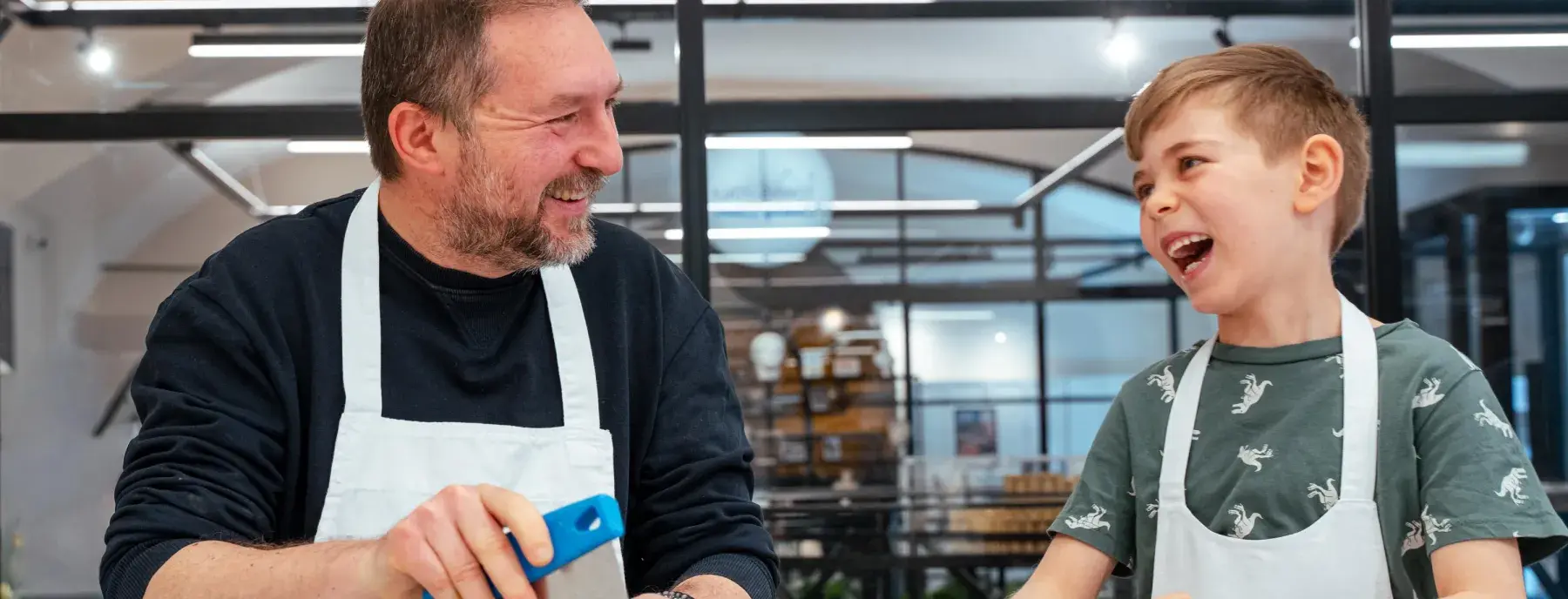
The Towns of Italy cooking school in Rome runs family-friendly sessions throughout the year. The pizza and gelato class (3 hours, small group of up to 20) is the most popular option for families — children make Roman-style pizza with a crispy base, choose their toppings, and finish with homemade gelato. The pasta and gelato class covers fresh tagliatelle and the same gelato component. Both classes are run in the city centre, within walking distance of the main sights.
For families who want something shorter, the tiramisu and Italian coffee class (90 minutes) is an excellent introduction: children assemble the tiramisu layers, adults get a cappuccino demonstration, and everyone eats immediately afterward. All Rome family cooking experiences are available at townsofitaly.com/en/cooking-classes/rome.
Cooking Classes for Families in Florence
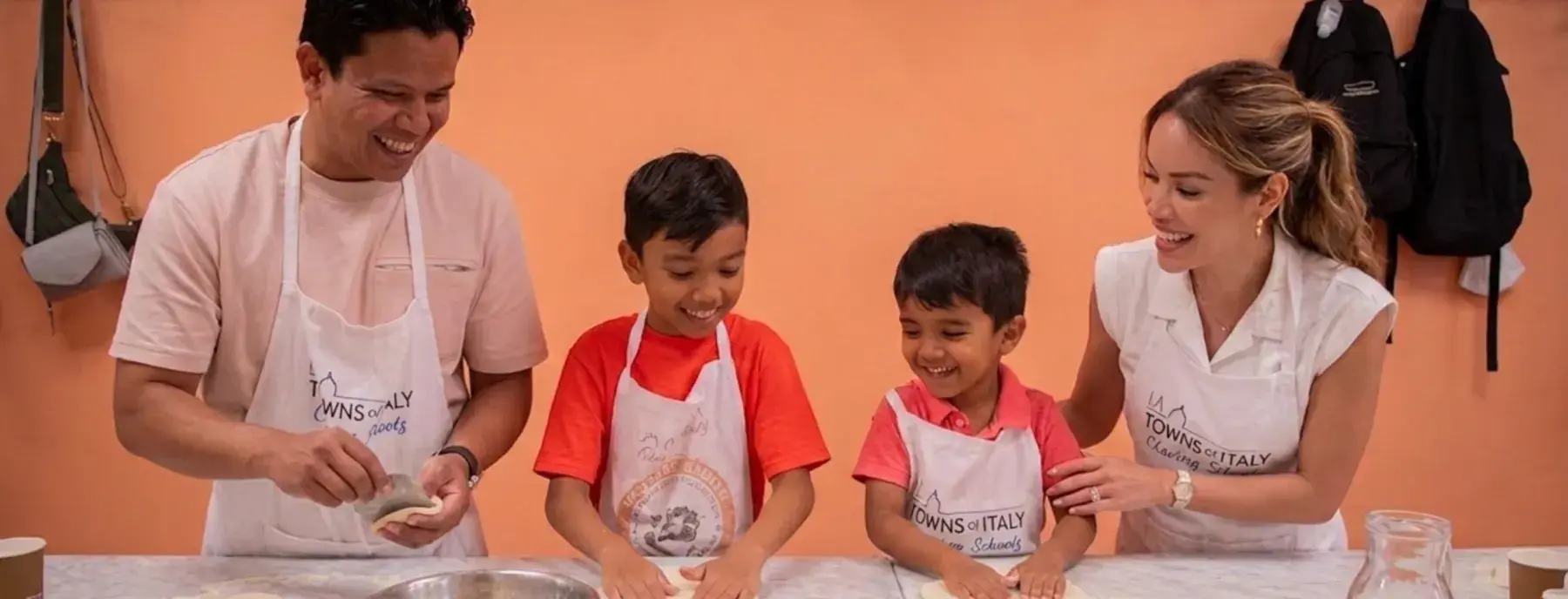
Florence's cooking school offers the same family-friendly formats with a Tuscan focus. The pizza and gelato class follows the same structure as Rome but introduces children to the Florentine approach to dough and flavour. The pasta and gelato class uses fresh egg pasta — tagliatelle or pappardelle — and teaches the Tuscan technique from scratch, with the gelato portion covering seasonal flavours that reflect the local ingredient culture.
Florence also offers the Nonna's Lasagna class (5 hours, including a food market tour) for families with older children who want a longer, more immersive experience. The class begins with a guided visit to the Mercato Centrale, choosing ingredients with the chef, before moving to the kitchen for a full Tuscan menu. It's the most complete family food experience we offer, and it ends with a lunch that children — in our experience — describe as the best meal of their trip. More details at townsofitaly.com/en/cooking-classes/florence.
Practical Tips for Booking with Children
Book in advance. Family cooking classes in Rome and Florence fill weeks ahead in peak season — particularly during July and August, October half-term, and the Easter period. When booking, mention that you're travelling with children so the school can prepare the right workstation setup. Most classes accept children from the age of six upward; some accept younger children for the shorter sessions. Check minimum age requirements before booking.
Time your class as a late-morning activity — most family sessions run from 10am to 1pm or 10am to 3pm. Children who arrive hungry cook better and eat better. A large breakfast beforehand defeats the purpose. Come with appetites, and leave with a recipe, a skill, and the memory of a morning that felt like the real Italy.
Italy is endlessly patient with children who are curious about it. A cooking class gives them a reason to be curious — and something delicious to show for it.
In this article
Make it real
Explore our tours in Italy


