Private half-day Etna excursion from Taormina
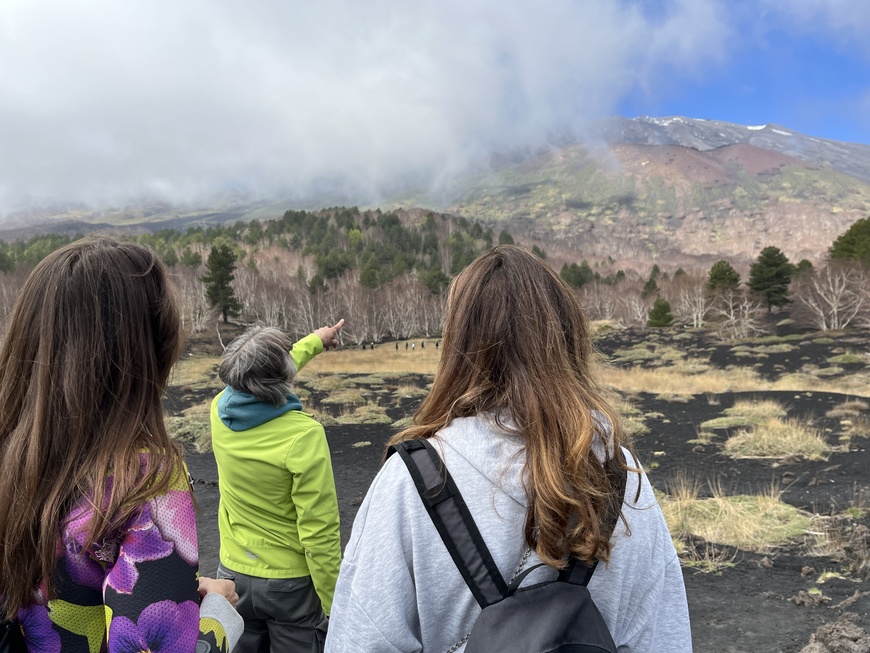
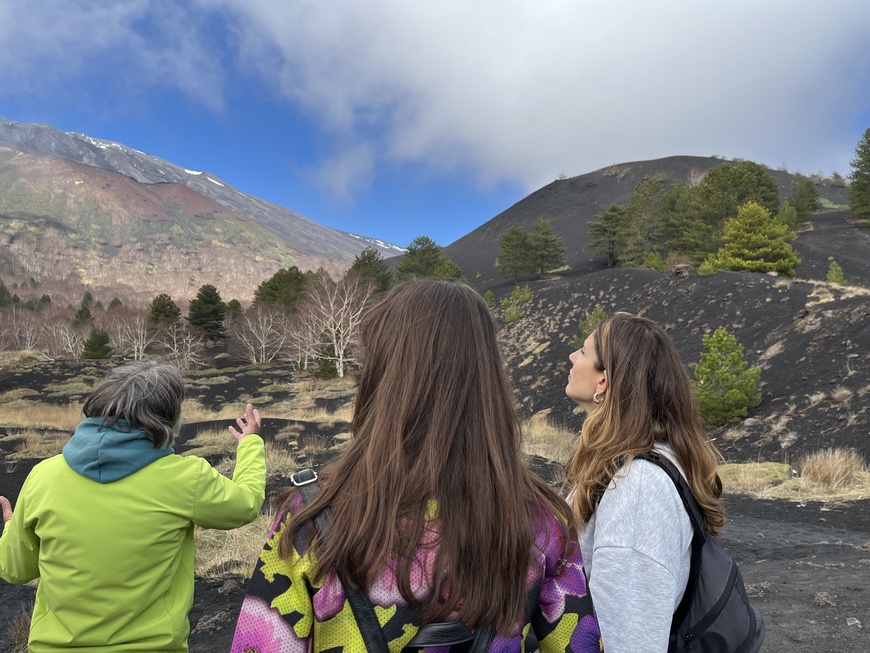
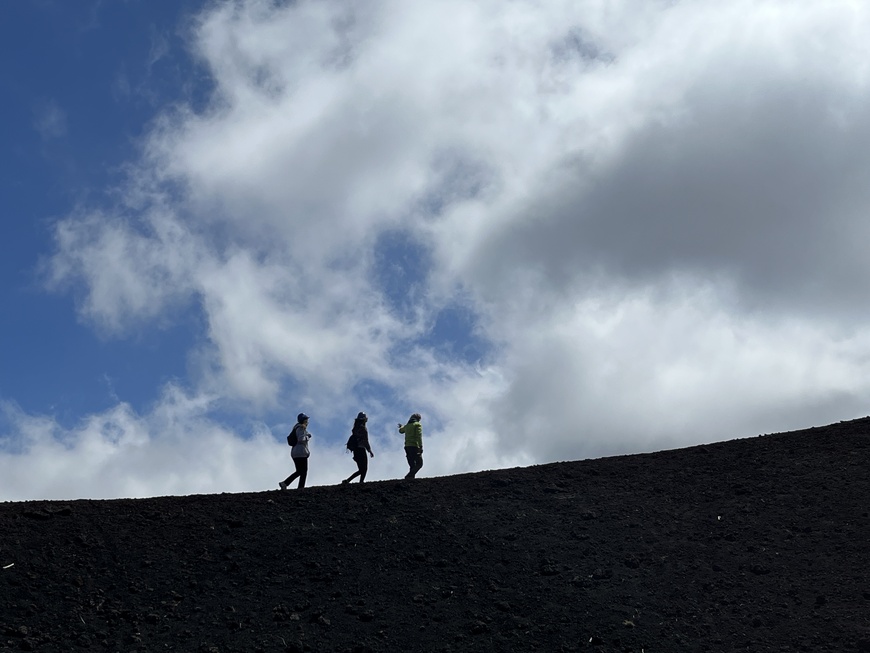
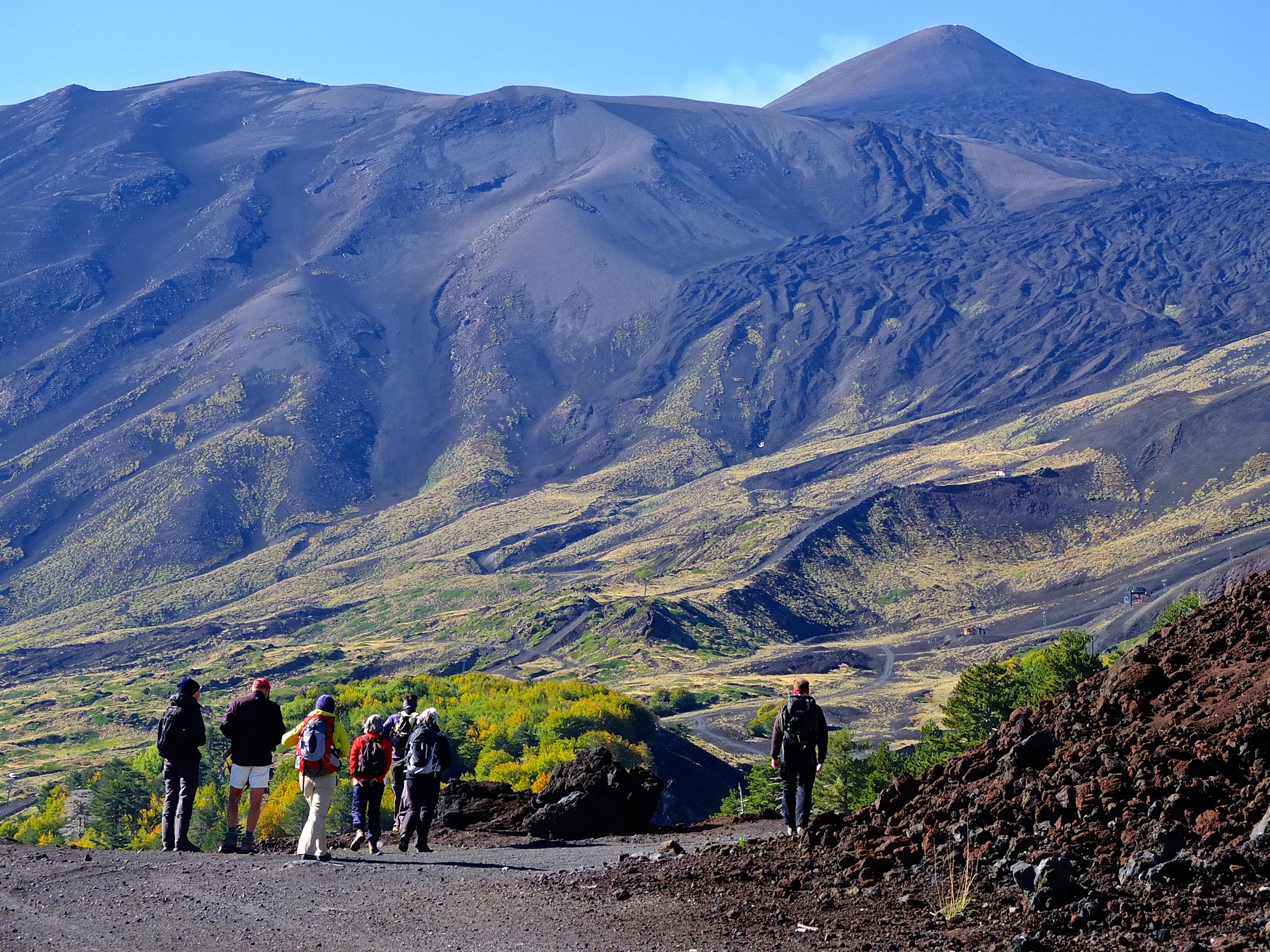
If you're short on time but still want to enjoy an excursion to Europe's highest still active volcano, this private tour of Mount Etna departing from Taormina (or Giardini Naxos) is for you.
- Enjoy the drive from Taormina to Mount Etna in a luxury minivan
- Meet our volcanos expert guide
- Walk the trails of the only still active volcano in Europe
- Admire the surreal landscapes on the top of the volcano
- Get to know the peculiar plant species
Meeting Point
Meet our tour leader in Taormina, inside the parking of the the Bus Terminal, via Pirandello 75, near the Rico Caffè
Please meet our tour guide at Giardini Naxos, inside the Recanati Terminal Bus, at the corner with Roulotte House.
What are the Sartorius Mountains on Etna, and what is the "Bottoniera"?
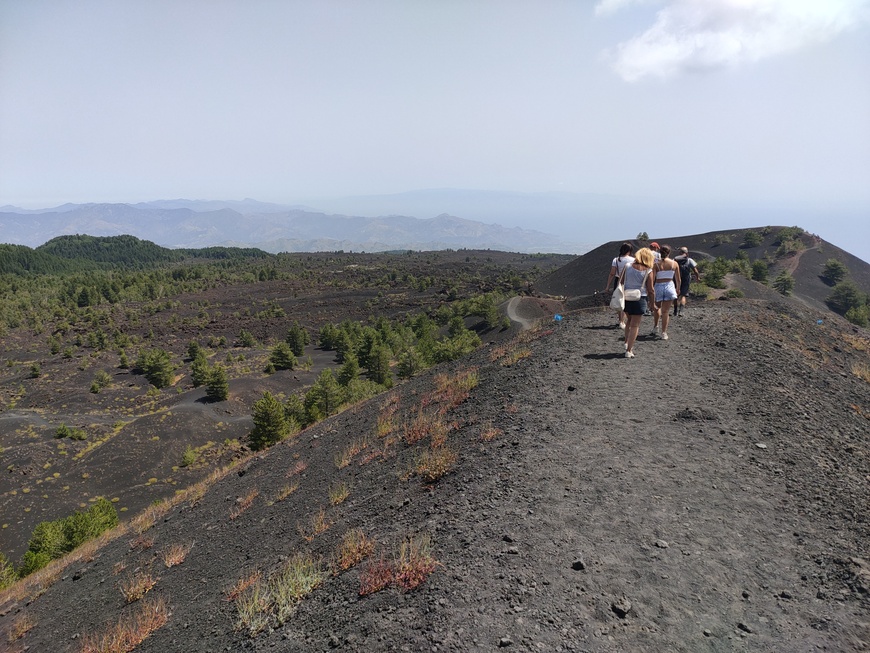
The Sartorius Mountains are a chain of secondary cinder cone craters on the north side of Mount Etna, formed during the eruption of 1865. Known as "La Bottoniera" (literally "the row of buttons") due to their evenly spaced alignment along the eruptive fissure, they comprise seven craters that now form a spectacular hiking trail at high altitude, giving you a close-up view of how Etna's volcanic activity continuously reshapes the landscape.
What is the Betula Aetnensis (Etna birch) and why does it grow only on this volcano?
The Betula Aetnensis, or Etna birch, is a rare endemic species found only on the slopes of Mount Etna — the only place in the Mediterranean world where birch forests grow. These trees have adapted over thousands of years to survive in volcanic soil, cold temperatures, and periodic lava flows. Growing between 1,400 and 2,200 meters altitude, they create an unexpected, almost Nordic landscape on the flanks of an active Mediterranean volcano — one of Etna's most striking natural surprises.
What is the volcanic cave visited on the Etna excursion, and how are lava tubes formed?
The volcanic cave on this excursion is a lava tube — a natural tunnel formed when lava flowing on the surface cools and solidifies on the outside while still flowing inside, eventually leaving an empty tube. Mount Etna has hundreds of these tunnels, some stretching for kilometers. Walking inside gives a cathedral-like experience — dark, silent, with walls of solidified basalt recording thousands of years of volcanic activity.
Can you see other volcanoes from the slopes of Mount Etna on a clear day?
On a clear day, the views from Etna's high slopes are extraordinary — you can see the entire eastern coast of Sicily, from Catania to the Strait of Messina, and in exceptional conditions even the Aeolian Islands including the active volcano Stromboli. Standing on one active volcano and seeing another in the distance is one of the most geologically dramatic experiences in Europe.
What should I wear and bring for a hike on Mount Etna, even in summer?
Even in summer, temperatures on Etna's high slopes can be significantly colder than in coastal towns, and the volcanic terrain is rough and uneven. Sturdy closed-toe shoes or hiking boots are essential — sandals are not suitable. Bring a windproof jacket or extra layers, as conditions change quickly at altitude. Sunscreen and sunglasses are important given the high UV exposure above 1,500m. Water is essential, and volcanic dust can irritate eyes and throat in windy conditions.
What is the cancellation policy?
For groups of 1 to 8 people, a full cancellation fee applies if you cancel within 7 days of your tour date or in case of no-show. For groups of 9 or more, availability and cancellation terms are available on request.


Starting from
price per person
based on a group of 4