Private full-day trip to Syracusa and Ortigia from Taormina
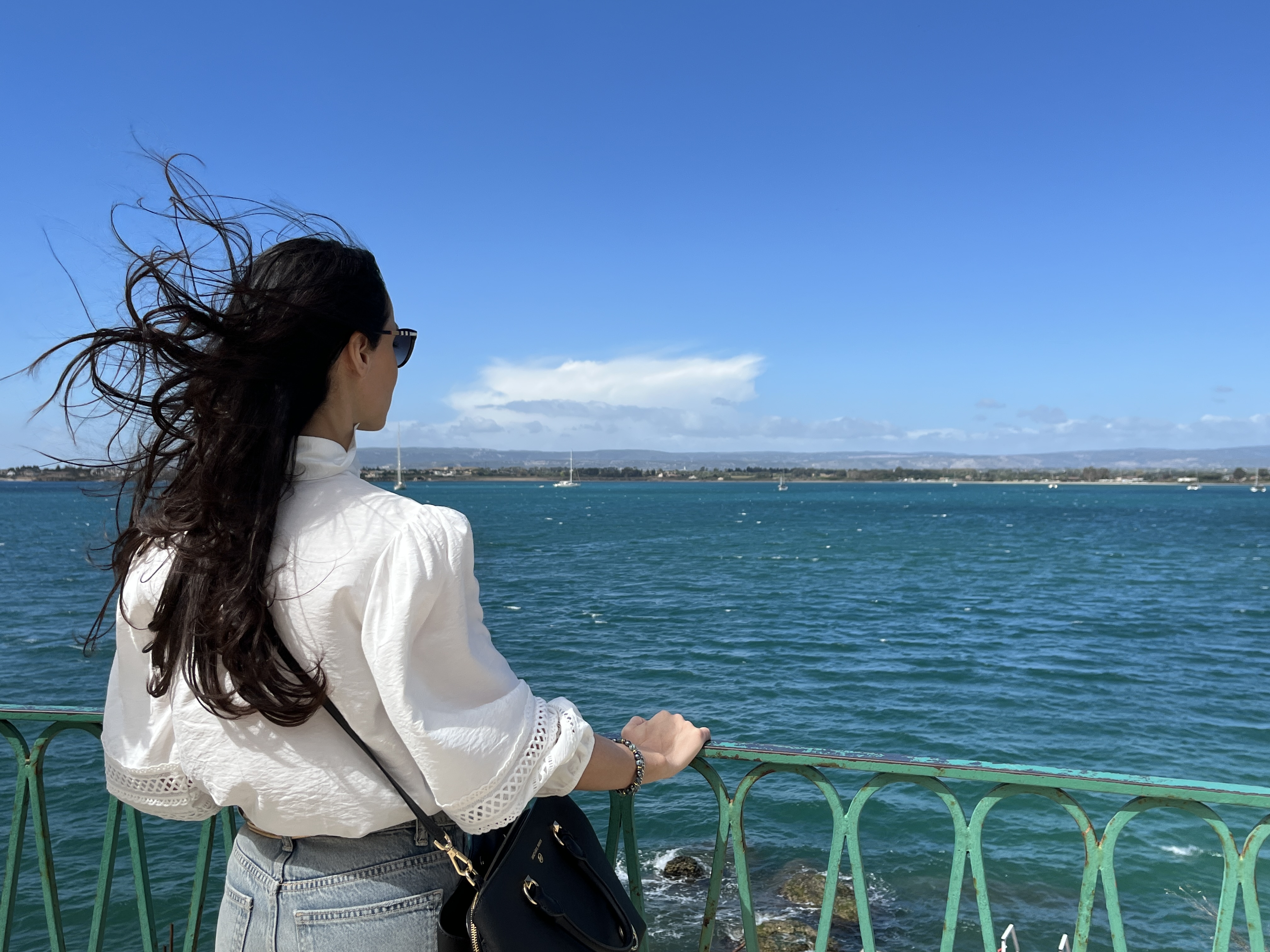
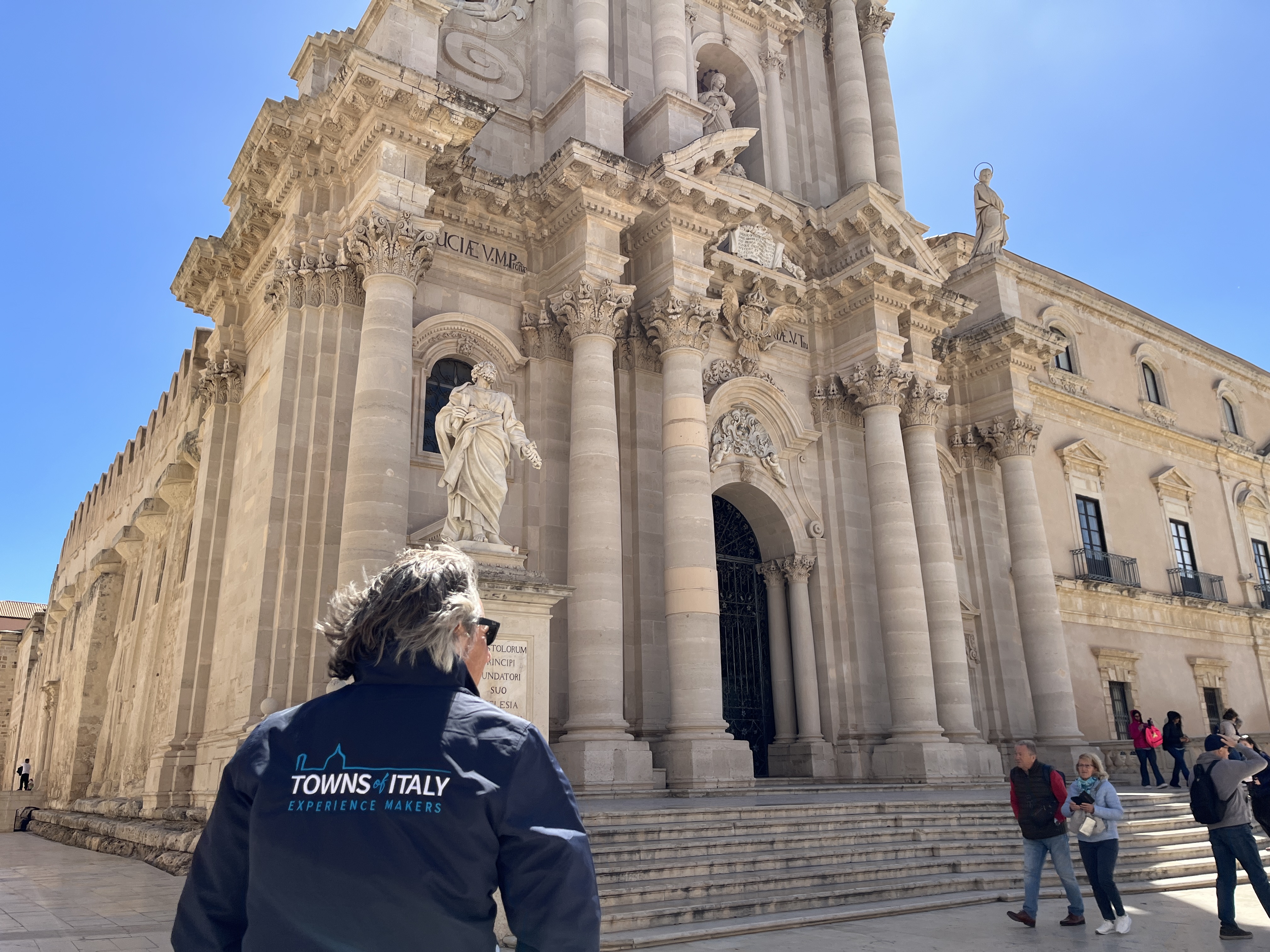
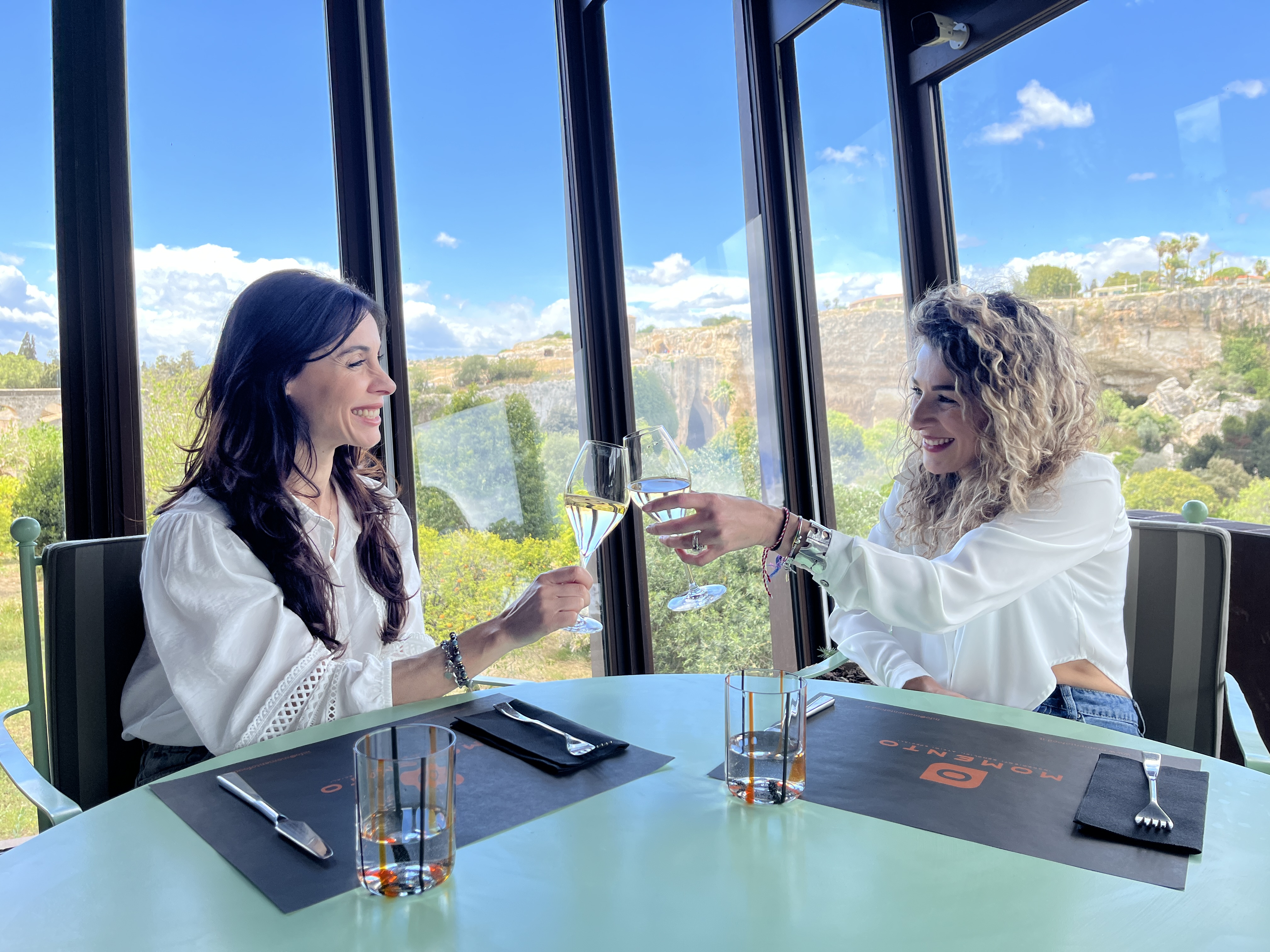
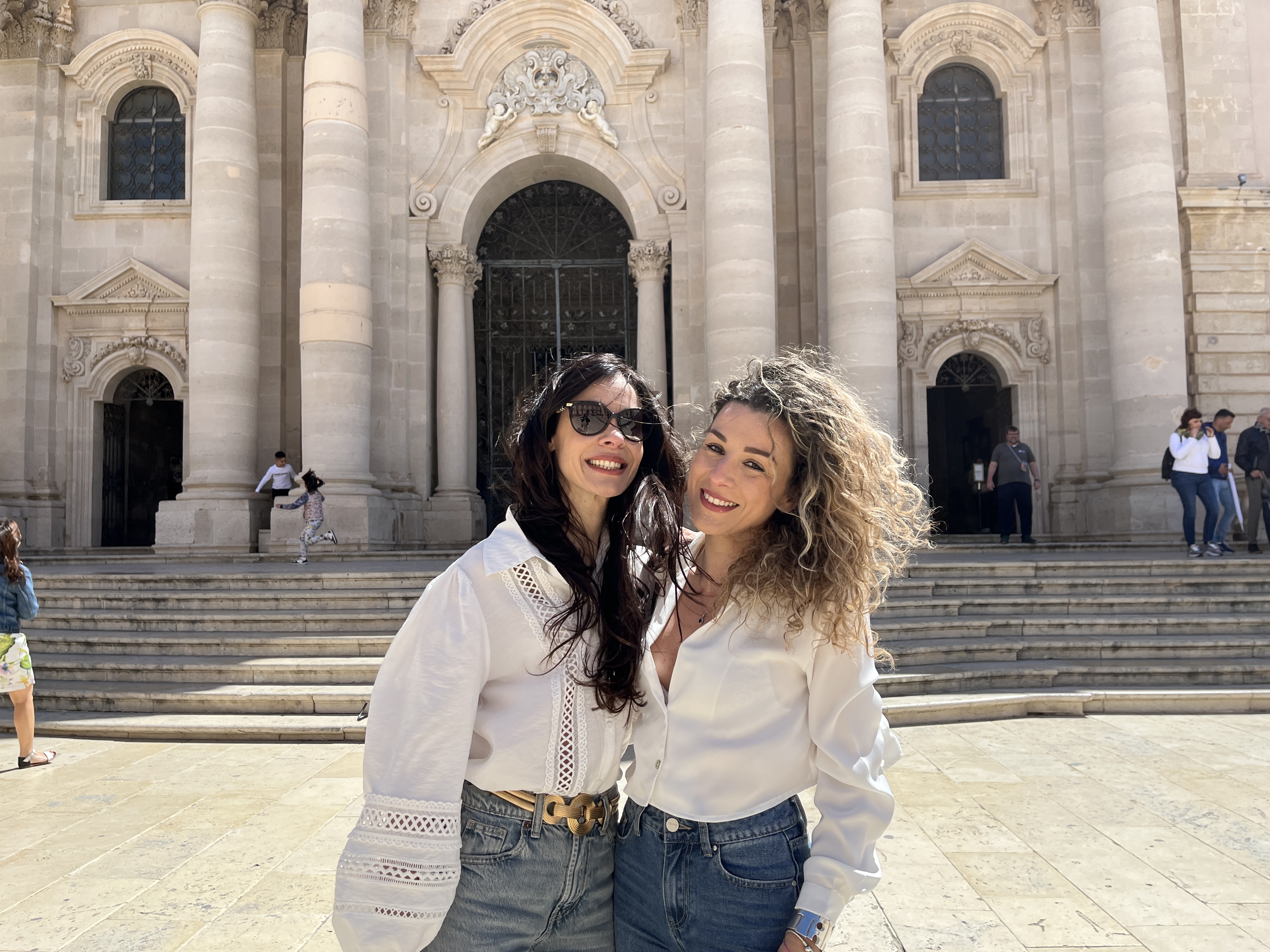
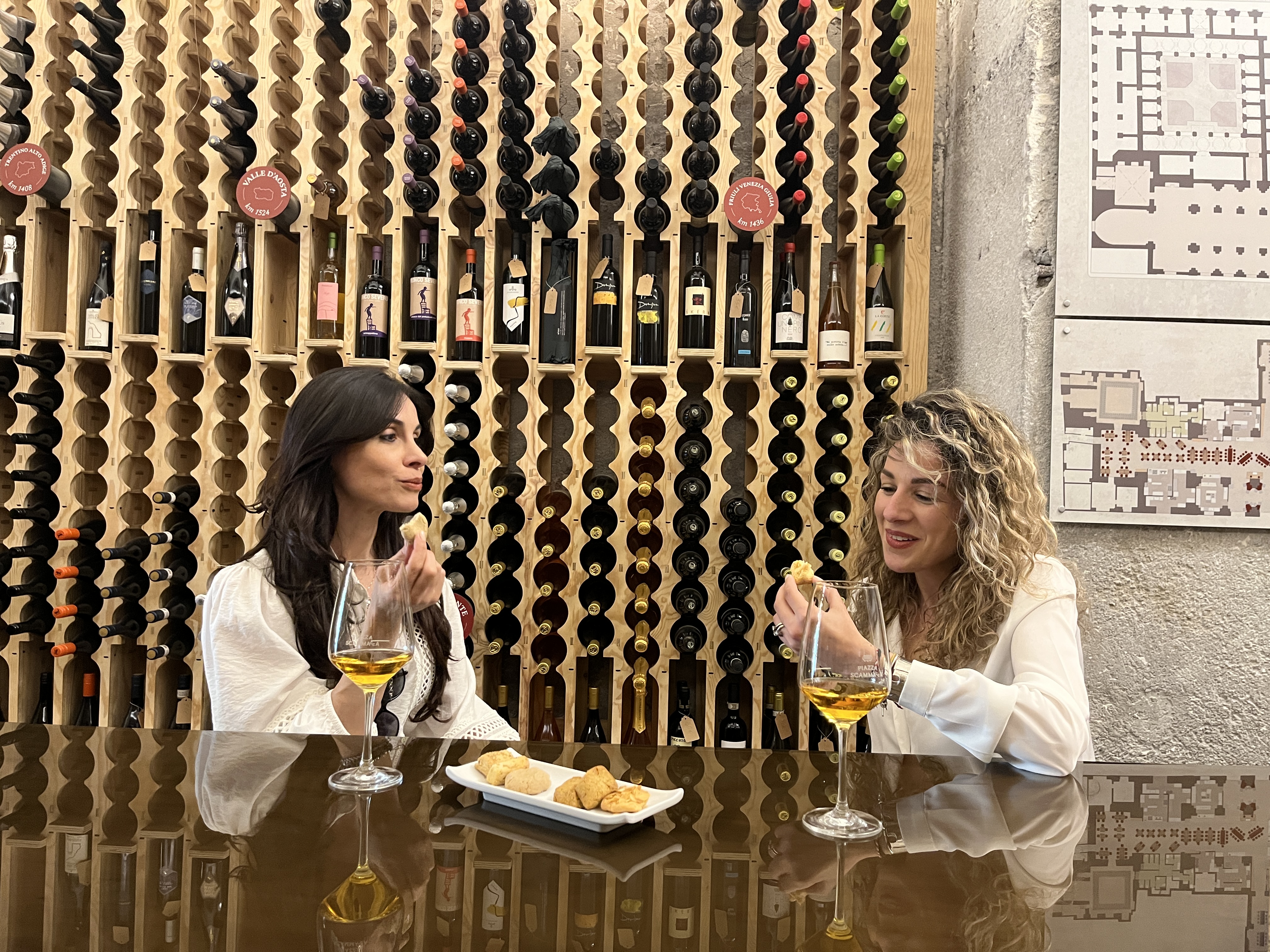
The Baroque side of Sicily is one of the most stunning areas to visit during your stay in Sicily! This private tour takes you to see the most fascinating Baroque architecture of the region visiting Ortigia on one side, and it will make you discover the ancient origins of Sicily in Syracuse.
- Discover Syracuse’s stunning historic center, Ortigia
- Make the most of the personalized attention of our experienced guide
- Visit one of the most important archeological sites of Italy in Syracuse
- Make the most out of an eastern Silciy exploration
- Sample a traditional Sicilian lunch
Meeting Point
Meet our tour leader in Taormina, inside the parking of the the Bus Terminal, via Pirandello 75, near the Rico Caffè
Please meet our tour guide at Giardini Naxos, inside the Recanati Terminal Bus, at the corner with Roulotte House.
Why is the Cathedral of Syracuse built on top of an ancient Greek temple?
The Cathedral of Syracuse (Duomo) is one of the most extraordinary examples of architectural layering in the world. Built directly incorporating the columns and walls of the ancient Greek Temple of Athena (5th century BC), it was repurposed as a Christian basilica when Ortigia converted to Christianity — a common early Christian practice. Today you can still clearly see ancient Doric columns embedded in the exterior and interior walls of the Baroque cathedral, making it a physical record of 2,700 years of continuous religious use.
What is the Ear of Dionysus cave in Syracuse, and what is the legend behind it?
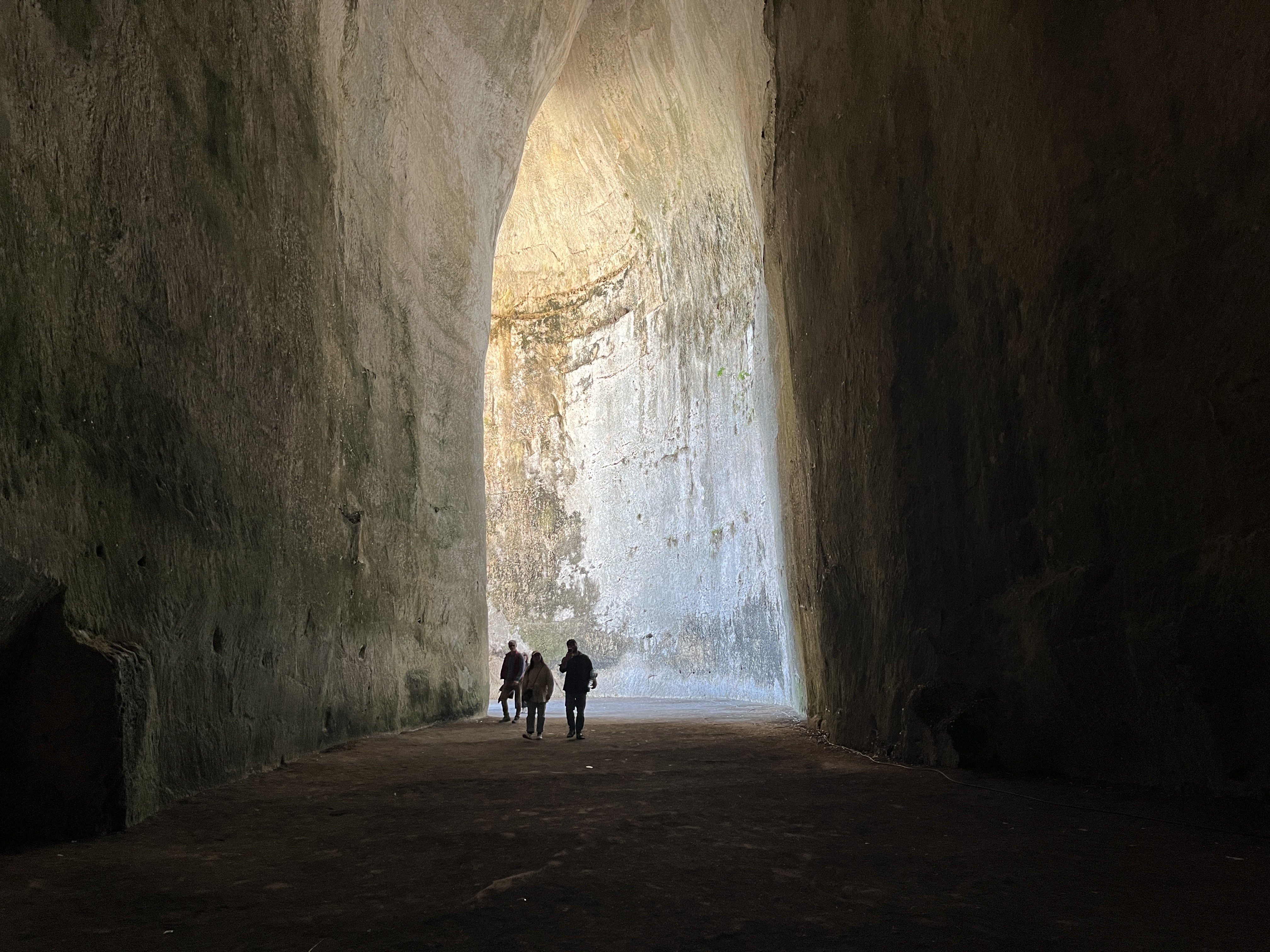
The Ear of Dionysus (Orecchio di Dionisio) is a remarkable artificial cave cut into the limestone cliffs of the Latomie quarries, measuring about 23 meters high and 65 meters deep with an S-shaped passage. Its name was coined by the painter Caravaggio, who visited Syracuse in 1608 and noted that the cave's extraordinary acoustics amplified even a whisper to a roar. Legend has it that the tyrant Dionysius I used the cave as a prison and could hear prisoners' conversations from a hole above.
How big was the Greek Theater of Syracuse, and why was it so important in the ancient world?
The Greek Theater of Syracuse is one of the largest and best-preserved ancient Greek theaters in the world, with a seating area carved directly into the rock of Temenite Hill and an original capacity of about 14,000-15,000 spectators. It was a key cultural venue of the ancient Greek world — the playwright Aeschylus premiered several tragedies here, including the Persians (472 BC). The theater still hosts an annual cycle of classical drama performances each spring.
What was the ancient role of the Latomie quarries in Syracuse, and who was imprisoned there?
The Latomie are vast underground quarries from which the ancient Greeks extracted the limestone to build Syracuse — temples, city walls, and theater included. After the catastrophic Athenian expedition against Syracuse in 413 BC, thousands of captured Athenian soldiers were imprisoned in these quarries for months with barely any food or water. The historian Thucydides described the Latomie prison as one of the most terrible fates to befall the Athenian army. Walking through these gardens — now filled with citrus trees — is a deeply moving historical experience.
What is Ortigia island and why is it the oldest part of Syracuse?
Ortigia is a small island connected to the mainland of Syracuse by two bridges, and it is the ancient nucleus from which the city grew. Founded by Corinthian Greeks in 734 BC, Syracuse became one of the most powerful cities of the ancient Mediterranean — rivaling Athens itself. Today Ortigia is a UNESCO World Heritage Site: its narrow streets overlay the original Greek grid, and its buildings layer Hellenistic, Roman, Byzantine, Arab, Norman, and Baroque architecture across 2,700 years of history.
What is the cancellation policy?
For groups of 1 to 8 people, a full cancellation fee applies if you cancel within 7 days of your tour date or in case of no-show. For groups of 9 or more, availability and cancellation terms are available on request.


Starting from
price per person
based on a group of 4