Rome Food Tour: The Neighbourhoods, the Dishes, the Real Flavours
Rome doesn't do light bites. It feeds you like it loves you — without asking whether you're hungry

You can eat well in Rome by accident. Walk into almost any trattoria without a plan, sit down, order the house pasta, and you'll leave satisfied. But eating well is not the same as understanding what you're eating. A food tour in Rome is something else: a lesson in history, culture, and the particular Roman genius for turning poverty into pleasure.
Why a Food Tour Is the Best Way to Eat Rome
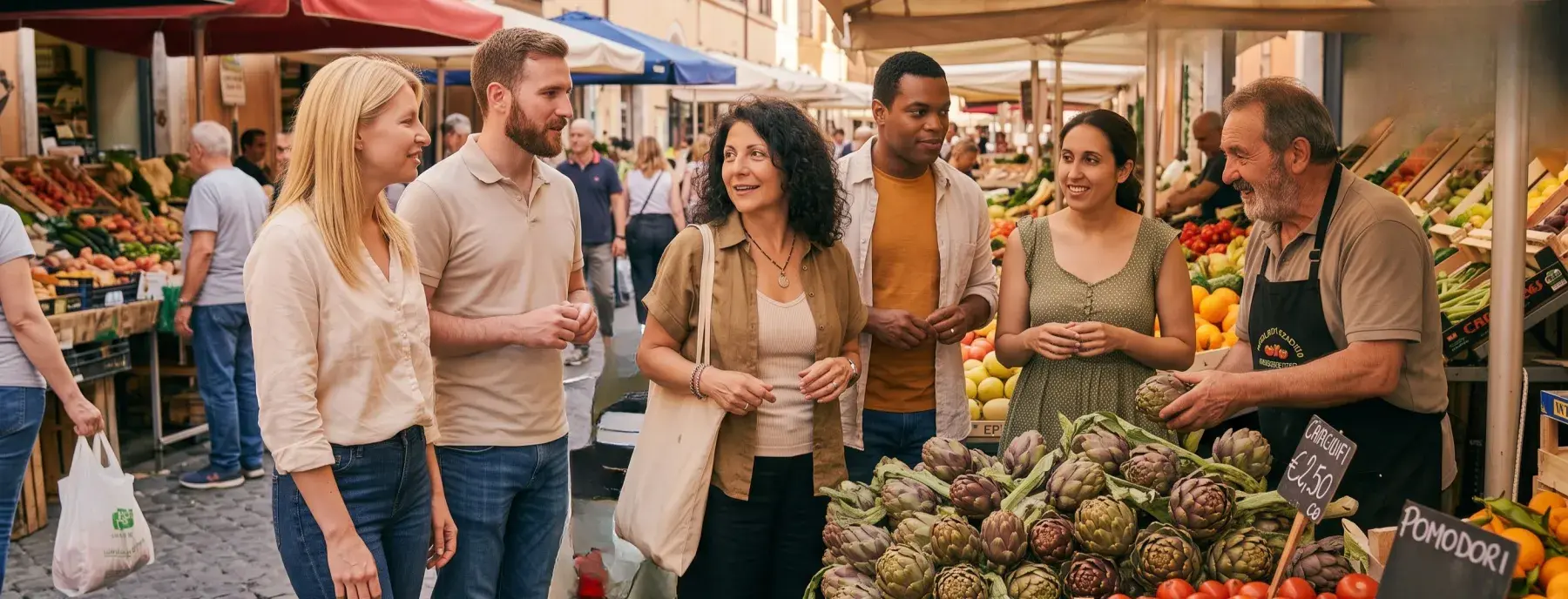
Roman food is not just Italian food in Rome. It has its own identity — shaped by the city's ancient working-class traditions, by the Jewish community that has lived here for two thousand years, by the slaughterhouse workers of Testaccio, by the farmers of the surrounding countryside. Every dish has a neighbourhood, a history, a reason it tastes the way it does.
A good food tour connects those dots. Your guide doesn't just hand you a supplì — they tell you that this Roman street food has existed since the Papal States, and that the best ones are still made in the same way. That kind of context doesn't come from a menu or a guidebook.
Testaccio: Rome's Culinary Soul


If Rome has a culinary centre of gravity, it's Testaccio. The neighbourhood was built around a slaughterhouse that operated for nearly a century, and its food culture grew directly from that history — quinto quarto (the fifth quarter, or offal) became the staple of working-class Roman cooking because the workers were paid partly in the parts of the animal no one else wanted.
Today Testaccio Market is one of the best covered markets in Italy. It's where Romans shop for real. Cheeses, seasonal vegetables, fresh pasta, meat, wine. The food stalls at the centre of the market serve some of the best street food in the city: cacio e pepe in a parmesan basket, supplì al telefono, fried artichoke. Any serious Rome food tour should include Testaccio.
Trastevere: Rustic, Warm, and Completely Roman
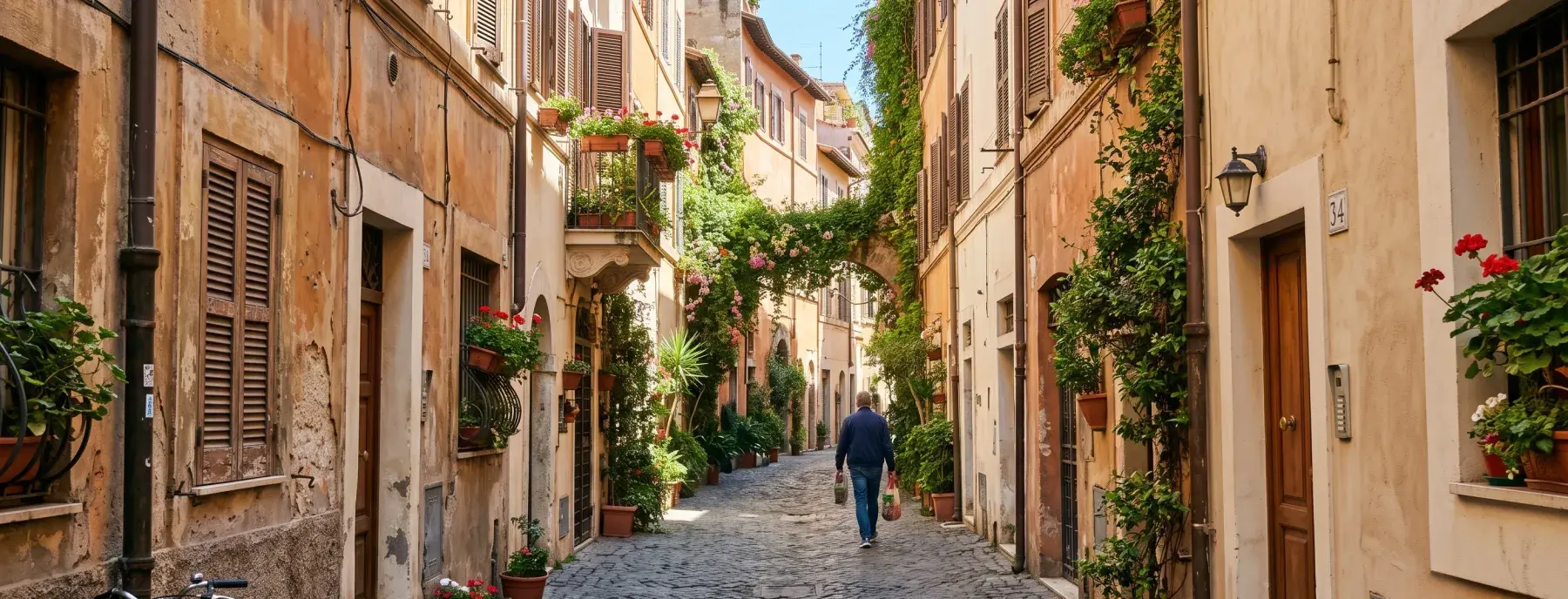
Trastevere is the neighbourhood most visitors fall in love with — cobblestone alleys, ivy-covered walls, trattorias that spill onto the street. It's also, despite its fame, genuinely Roman. The locals here have been eating the same dishes for generations, and the good places don't need to advertise.
On a food tour of Trastevere, you'll stop at a neighbourhood bakery for fresh bread, taste local cheeses and salumi from a family-run shop, and discover the difference between a restaurant that exists for tourists and one that exists for the neighbourhood. Trastevere is also wonderful at dusk — the streets fill with exactly the kind of unhurried evening energy that Rome does better than anywhere.
The Jewish Ghetto: Ancient Flavours, Living Tradition


The Jewish community of Rome is the oldest in Western Europe — they have been here for more than two thousand years, predating Christianity. Their food tradition is equally ancient, and it has shaped Roman cooking in ways that most visitors don't realise.
Carciofi alla giudia — deep-fried artichokes, flattened and crisped until the outer leaves shatter like chips — was invented in the Jewish Ghetto. So was filetto di baccalà and many of the fried vegetable dishes that appear throughout Roman menus. A food tour that includes the Ghetto gives you a completely different perspective on the city: a history measured not in centuries but in millennia.
What You'll Eat on a Rome Food Tour
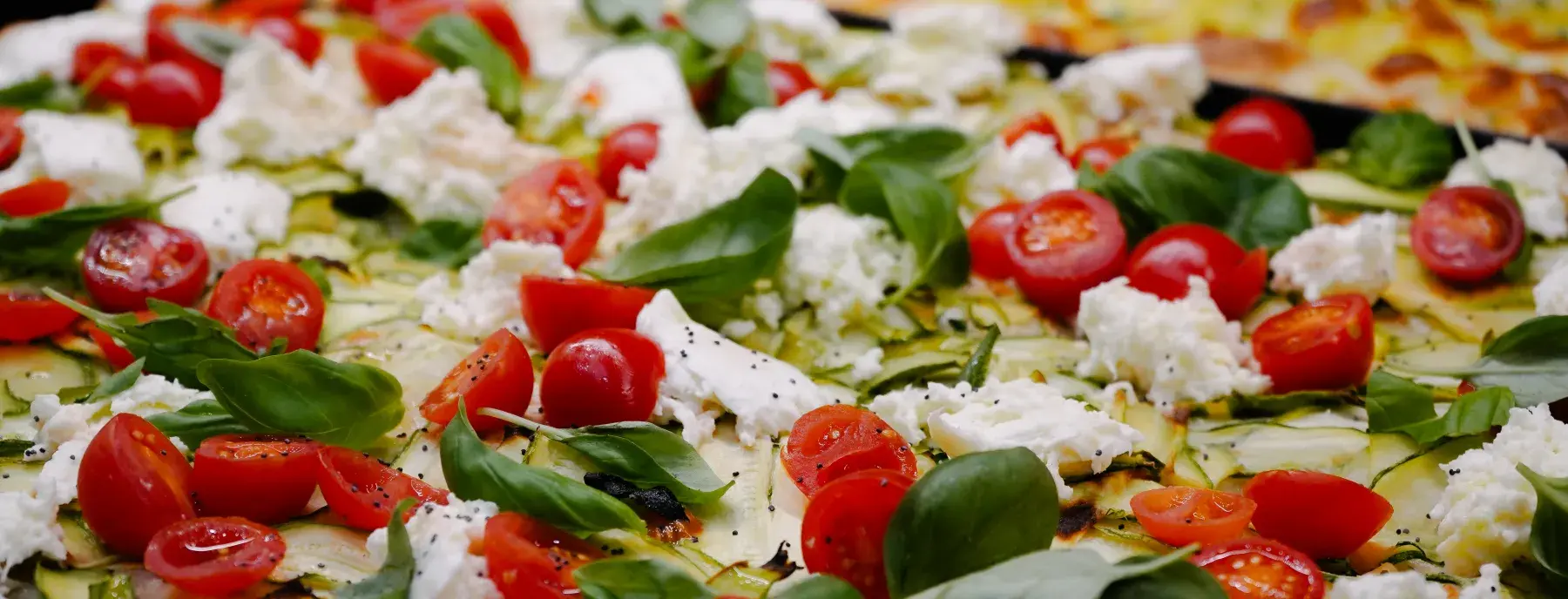
A well-designed Rome food tour is a full meal in disguise. Over the course of two to three hours, you'll typically taste eight to twelve different things — enough to leave genuinely satisfied, not just snacked.
Expect: supplì, pizza al taglio, carciofi alla giudia or alla romana, bruschetta with fresh tomato, local cheeses and cured meats, fresh pasta or a small primo, gelato or a traditional Roman pastry to finish. The best tours are paced so you never feel stuffed and never feel hungry. That balance is harder to achieve than it sounds.
Morning Tour or Evening Tour?

Both have their appeal. Morning tours start early — usually around 9am — and catch the city at its most alive. Markets are full, bakeries are fresh, and the streets belong to locals rather than tourists. The light is beautiful, the air is cool, and you'll have the rest of the day free.
Evening tours move more slowly, through quieter streets, with food chosen for the hour — aperitivo snacks, wine, dinner-ready dishes. For families or anyone who wants maximum time in the rest of the city, the morning is the better choice. For the atmosphere, the evening wins.
Rome has been feeding people for three thousand years. On a food tour, you get to taste a little of every century.
